
If you’ve overheard your teenager talking about “loud,” seen a text message about “dabs,” or come across a strange emoji-filled caption online, you may have stumbled onto slang for weed without even realizing it. According to Merriam-Webster, the word “cannabis” itself dates back centuries, but the slang built around it has its own constantly shifting vocabulary that can feel like learning a second language.
This guide breaks down the most common weed slang names, where they come from, and why understanding them matters. We’ll also cover what to do if slang for weed in a loved one’s conversations turns out to be more than casual curiosity.
What Is Weed?
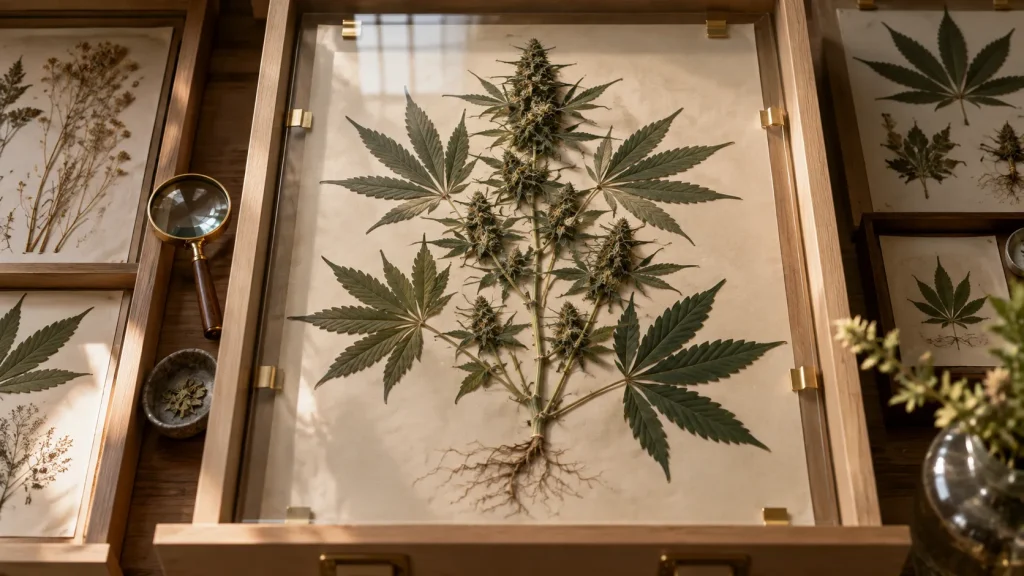
“Weed” is one of dozens of common street names for marijuana, the dried flowers, leaves, and resin of the Cannabis sativa and Cannabis indica plants. It’s typically smoked, vaporized, or infused into edibles for its psychoactive effects, driven mainly by the compound THC (tetrahydrocannabinol). According to the National Institute on Drug Abuse, marijuana remains the most commonly used federally illegal drug in the country, and average THC potency in seized cannabis has climbed sharply over the past three decades.
Because marijuana has been part of American culture for generations, it has picked up hundreds of nicknames along the way, some rooted in appearance, some in effect, and some simply invented by users to keep conversations discreet.
Common Slang Terms for Weed
Slang for weed isn’t one static list. It evolves by decade, region, and even social media platform. Below are the categories worth knowing if you want to understand what someone might mean by “the different names for weed” you keep hearing.
Popular Weed Nicknames
Some names for weed slang have been around for decades and are well known across the country.
- Pot, herb, grass, ganja – old, traditional names for cannabis
- Bud, flower, nugs – refer to the dried plant matter
- Mary Jane, Jane – from the Spanish pronunciation of marijuana
- Dank, loud, fire, gas – slang terms for high-quality or strong-scented cannabis
Regional and Cultural Weed Terms
Weed slang names also shift depending on geography and cultural background. In Los Angeles specifically, cannabis use has been well-documented and closely tracked by public health officials for over a decade. The California Department of Public Health’s Cannabis Surveillance System found that cannabis use is highest among young adults ages 21–24, and nearly half of all cannabis-related emergency department visits statewide involve people between 15 and 30 years old.
That heavy concentration of use among younger Angelenos is part of why weed slang terms circulate so quickly through LA’s schools, music scene, and social media culture .
Slang for Different Types of Cannabis Products
As the cannabis market has diversified beyond dried flower, so has the slang used to describe it:
- Dabs, wax, shatter, budder — concentrated THC extracts, often vaporized
- Edibles, gummies, medibles — cannabis-infused food products
- Vapes, carts, pens — vape cartridges filled with THC oil
- Spliff, blunt, joint, doobie — different rolling methods for smoking flower
Not all cannabis products on the street are what they claim to be. Some batches are mixed with other substances entirely without the user’s knowledge, which is why it’s worth knowing the signs of laced weed before assuming a bad reaction is “just strong weed.”

How to Recognize Weed Slang in Conversations or Messages
For parents and loved ones, spotting slang for weed in a text thread or overheard conversation is often the first clue that something more serious is happening. Emoji code (like a maple leaf 🍁 or a green heart 💚) frequently substitutes for written slang entirely, making detection even harder. The CDC notes that marijuana use among teens has been linked to memory problems, lower academic performance, and increased mental health risks, particularly because the adolescent brain is still developing well into the mid-20s.
Weed Slang Used by Gen Z
Gen Z has its own evolving set of weed slang names, often blending older terms with internet-born phrases:
- Zaza, gas, fire — used to describe potent or high-end cannabis strains
- Loud — a strong-smelling, high-potency strain
- Sneaky link with a plug — combining hookup slang with references to a cannabis dealer (“the plug”)
- Blazed, baked, stoned, zooted — terms describing being high

Why Knowing Marijuana Slang Matters for Parents and Loved Ones
Understanding weed slang terms isn’t about “catching” someone. It is about being able to recognize risk early. Marijuana use disorder is a real and diagnosable condition, and the earlier a pattern is noticed, the more options are available, from outpatient counseling to a structured residential treatment program for more severe cases. Being aware of common slang for weed can provide parents, partners and friends a practical tool to spot changes in behavior before they escalate to dependency.
This is especially true in a city like Los Angeles where cannabis is legal, everyplace at licensed dispensaries and normalized in daily conversation. Legal access doesn’t eliminate the risk of misuse. It just means the warning signs, including the slang someone uses to talk about it, can be easier to overlook.

Signs of Marijuana Use and Cannabis Use Disorder
Recognizing weed slang names is only useful if you also know what to look for physically and behaviorally. Common signs include:
- Bloodshot or glassy eyes, frequent use of eye drops
- Sudden changes in appetite (“the munchies”) or noticeable weight changes
- A persistent sweet, skunky odor on clothing, or heavy use of air fresheners and incense
- Mood swings, irritability, or increased anxiety when unable to use
Nationally, roughly 30% of people who use marijuana may have some degree of marijuana use disorder, and the risk climbs significantly for those who begin using before age 18. If daily use, cravings, or an inability to cut back are present, it may be time to look into marijuana detox Los Angeles options to safely manage withdrawal before starting a longer-term recovery plan.

Find Marijuana Addiction Treatment in Los Angeles, CA
Learning the slang for weed your loved one uses is a useful first step, but it’s only the beginning. If casual use has turned into a pattern you can’t ignore, professional support can make the difference between a temporary scare and lasting recovery.
For those ready to take that step, options range from structured, round-the-clock residential care to medically supervised detox for managing withdrawal safely before starting a longer-term recovery plan.
Marijuana addiction is often underestimated because of how normalized cannabis use has become in California, but that doesn’t make the disorder any less real. If the weed slang you’ve noticed in a loved one’s life has started pointing toward a bigger problem, The House of Life’s luxury rehab in Los Angeles is a solid next step toward getting real answers and a real plan forward.
Ready to take the first step toward recovery? Call us 24/7 at +1-805-888-8000 or submit our online contact form to speak with our team.
References
Centers for Disease Control and Prevention. (2017). What parents need to know about marijuana use and teens 2017. https://stacks.cdc.gov/view/cdc/43947/cdc_43947_DS1.pdf
California Department of Public Health. (2022). Cannabis data snapshot. https://www.cdph.ca.gov/Programs/CCDPHP/sapb/CDPH%20Document%20Library/2022_Cannabis_Data_Snapshot.pdf
National Institute on Drug Abuse. (n.d.). Cannabis (marijuana). National Institutes of Health. https://nida.nih.gov/research-topics/cannabis-marijuana
Merriam-Webster. (n.d.). Cannabis. In Merriam-Webster.com dictionary. Retrieved September 5, 2026, from https://www.merriam-webster.com/dictionary/cannabis