Table of Contents
- What Is Meloxicam?
- Meloxicam and Alcohol Interaction: What You Need to Know
- Risks of Mixing Meloxicam and Alcohol
- How Much Alcohol Is Safe to Drink While Taking Meloxicam?
- How Long After Taking Meloxicam Can You Drink Alcohol?
- What Should You Do If You Accidentally Mix Meloxicam and Alcohol?
- Who Is at Higher Risk of Meloxicam and Alcohol Interactions?
- Can You Take Meloxicam for a Hangover?
- What Can You Take for Pain Instead of Meloxicam if You Drink Alcohol?
- Treatment for Alcohol Misuse in Los Angeles, CA
Having a glass of wine with dinner or a couple of beers over the weekend might not seem like a big deal, especially if you’re on medication for joint pain.But if you’ve been prescribed meloxicam, you may be wondering if drinking alcohol can interfere with your treatment or lead to any unexpected side effects.
Meloxicam is often prescribed for arthritis and other inflammatory conditions, sometimes for months at a time.It is a time when questions about occasional drinking, when to take medication and possible interactions naturally come up. Knowing the impact of meloxicam and alcohol on your body can help in making better health decisions.

What Is Meloxicam?
Meloxicam is known by the brand name Mobic and is a prescription nonsteroidal anti-inflammatory drug (NSAID).Relieves pain, swelling and inflammation of osteoarthritis and rheumatoid arthritis.
It works by blocking cyclooxygenase (COX) enzymes which are involved in the production of prostaglandins, substances that cause inflammation but also protect the lining of the stomach and help kidney function.
Meloxicam is usually administered once daily.The usual adult doses are 7.5 mg and 15 mg depending on the condition and the instructions for use. Meloxicam is effective for pain management but can cause gastrointestinal bleeding, kidney injury and cardiovascular complications especially in higher risk patients.

Meloxicam and Alcohol Interaction: What You Need to Know
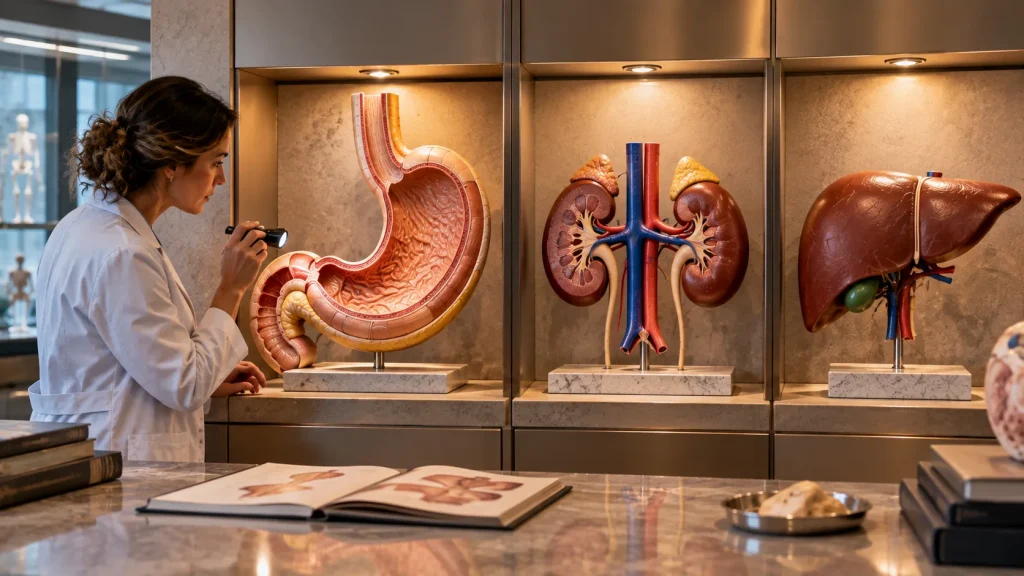
The primary concern with meloxicam and alcohol is their combined effect on the gastrointestinal tract. Meloxicam reduces the production of prostaglandins that protect the lining of the stomach and intestines.Alcohol can irritate the lining of your digestive tract and cause bleeding in the stomach or intestines, especially if you drink a lot or often.
According to the National Institute on Alcohol Abuse and Alcoholism (NIAAA), drinking alcohol while taking NSAIDs increases your risk for gastrointestinal bleeding.
Research cited by the NIAAA associates consumption of up to one alcoholic drink daily with approximately 37% greater gastrointestinal bleeding risk among NSAID users. This estimate concerns NSAIDs generally, not meloxicam specifically. The meloxicam and alcohol interaction therefore primarily involves overlapping adverse effects rather than alcohol simply making the medication ineffective.
Risks of Mixing Meloxicam and Alcohol
Stomach Ulcers and Gastrointestinal Bleeding
Gastrointestinal bleeding is among the most serious complications associated with meloxicam with alcohol. NSAIDs may cause ulcers, bleeding, and perforation of the stomach or intestines, which can happen without warning. Continuing abdominal pain. Black or tarry stool. Vomiting blood or vomit that looks like coffee grounds.
Vomiting blood or passing black, tarry stools should be evaluated by emergency medical personnel. Heavy drinking, long-term NSAID treatment, previous ulcers, and drugs that affect blood clotting increase the risk.
Kidney Damage and Dehydration
Meloxicam can reduce blood flow to the kidneys, particularly in people who are dehydrated or have existing kidney problems. Alcohol can cause dehydration, through increased urination, vomiting or not taking in enough fluid. Together all these effects can increase the chances of having an acute kidney injury in those who are susceptible to it. Warning signs are less frequent urination, swelling or unusual tiredness.
Liver Problems
Meloxicam can occasionally elevate liver enzymes and, rarely, cause significant liver injury. Heavy alcohol consumption can independently damage the liver. Combining the two may complicate existing liver conditions. However, their gastrointestinal bleeding risk is better established than a specific direct liver-toxic interaction.
Cardiovascular Complications
Meloxicam carries an FDA boxed warning for serious cardiovascular events, including heart attack and stroke. Heavy alcohol consumption may contribute to hypertension and cardiovascular disease. People with heart disease or uncontrolled blood pressure should discuss both meloxicam use and alcohol consumption with their healthcare provider.

How Much Alcohol Is Safe to Drink While Taking Meloxicam?
There is no scientifically proven safe amount of alcohol during treatment with meloxicam. People often ask, “Can I have an occasional alcoholic drink while taking meloxicam?”The answer depends on your medical history, your drinking habits, other medications, and how long you need treatment. A single drink does not mean serious complications will occur, but lower consumption does not eliminate gastrointestinal bleeding risk.
Avoiding alcohol is the safest option. Anyone considering occasional drinking should discuss individual risk with their prescriber. Binge drinking should be avoided. Even drinking on an empty stomach can accelerate alcohol absorption and increase intoxication. Taking a medication does not make it safe to eat a meal.

How Long After Taking Meloxicam Can You Drink Alcohol?
Meloxicam has an elimination half-life of 15-20 hours, so a good portion of it could still be in the body the next day. Most drugs are mostly eliminated from the body after about five half-lives.For meloxicam, this is about 75 to 100 hours or three to four days after the last dose.
But this is a pharmacokinetic estimate, not a guarantyd safe waiting period for drinking alcohol. Individual risk may be related to age, liver function, duration of treatment, and gastrointestinal health. People who take meloxicam daily should not skip prescribed doses just to drink.Instead, they should ask their clinician when it’s okay to drink alcohol.

What Should You Do If You Accidentally Mix Meloxicam and Alcohol?
Having a drink while on meloxicam does not necessarily mean that you will develop serious complications. Don’t drink more alcohol. Look for symptoms.Do not take extra meloxicam and do not mix it with ibuprofen, naproxen or aspirin unless a clinician has told you to. If you drink a lot of alcohol, or have a history of ulcers or kidney disease, see a health care professional.
Seek emergency medical attention if you vomit blood, have black stools, severe abdominal pain, fainting or severe weakness. Severe confusion, seizures, slow breathing, or difficulty remaining conscious after drinking may indicate alcohol poisoning and require immediate medical attention.
Who Is at Higher Risk of Meloxicam and Alcohol Interactions?
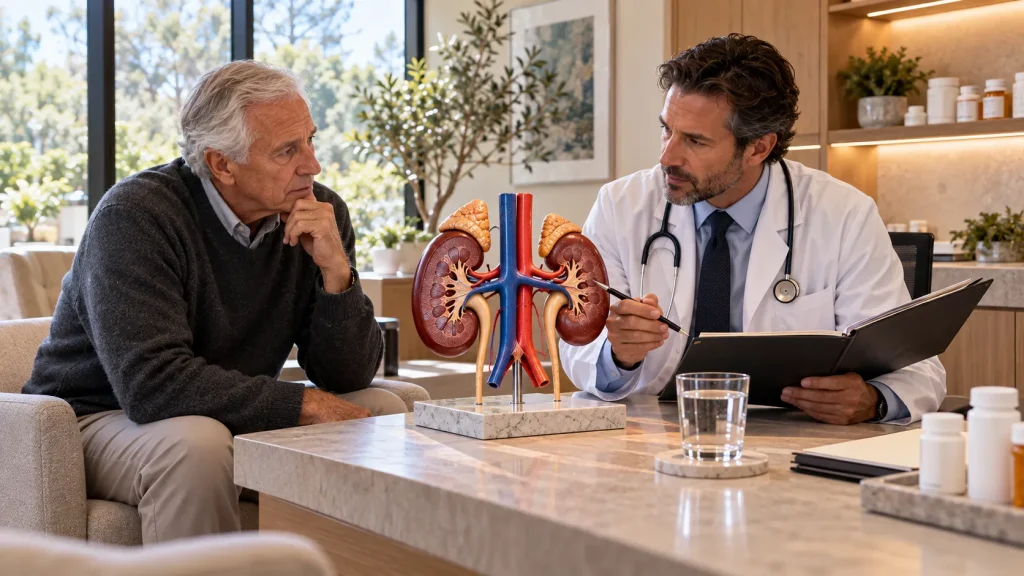
Older people, people with a history of gastrointestinal bleeding or peptic ulcers, or people with kidney, liver or cardiovascular disease are more likely to have complications. Risk also increases with anticoagulants, corticosteroids, aspirin, other NSAIDs, and certain antidepressants, including SSRIs and SNRIs.
Frequent or heavy drinking adds further risk through gastrointestinal irritation and dehydration. People with multiple risk factors should discuss alternative pain-management strategies with their healthcare provider.

Can You Take Meloxicam for a Hangover?
Meloxicam is not indicated for hangover treatment. Nausea, dehydration, stomach pain, headaches and more often come with hangovers.If you’re dehydrated, taking meloxicam may put you at greater risk for kidney problems and can aggravate gastrointestinal upset.
Its relatively long duration of action makes it inappropriate as routine treatment for transient alcohol-related headaches. Rest, fluids and food as tolerated are generally preferred. Severe symptoms require medical evaluation.

What Can You Take for Pain Instead of Meloxicam if You Drink Alcohol?
There is no universally safe pain medication to combine with alcohol. Ibuprofen, naproxen, and aspirin are also NSAIDs and can increase gastrointestinal bleeding risk. Acetaminophen (Tylenol) does not carry the same NSAID-related stomach bleeding risk, but excessive doses and certain drinking patterns increase the possibility of liver damage.
Localized pain can be assisted by physical therapy, rest, gentle movement, or ice and heat, which are non-drug techniques. What is safest depends on the cause of the pain, drinking habits and medical history.A pharmacist or health care provider may recommend a suitable alternative.
Can You Drink Coffee While Taking Meloxicam?
No clinically significant direct interaction is known between meloxicam and moderate caffeine intake. But some people find coffee can increase reflux or stomach discomfort. Coffee does not reverse alcohol intoxication . Meloxicam and alcohol does not prevent gastrointestinal bleeding .
How Long Can You Take Meloxicam?
Duration of treatment depends on the underlying condition. Some patients require short-term therapy and others are prescribed meloxicam for chronic arthritis. The FDA prescribing guidance advises using the lowest effective dose for the shortest appropriate time. Long-term treatment may require blood pressure, kidney function and other potential adverse effects monitoring.

Treatment for Alcohol Misuse in Los Angeles, CA
Questions about medication interactions sometimes point to a broader concern: drinking has become difficult to reduce despite its effects on health. Alcohol misuse is a major public-health problem in California.In 2022-2023, the California Department of Public Health’s 2026 report says the average annual number of deaths associated with excessive alcohol use was more than 19,000 per year.
If you continue to drink despite the danger to your medication, professional help can treat the drinking and other health issues.
The House of Life provides alcohol addiction treatment in Los Angeles and surrounding Southern California communities, including individualized assessment and residential care. People with physical alcohol dependence may require medically supervised alcohol detox in Los Angeles. Abruptly stopping heavy, prolonged drinking can cause dangerous withdrawal symptoms, including seizures.
Those exploring luxury rehab in Los Angeles can learn about The House of Life’s programs, admissions process, and recovery services at its Simi Valley facility. You don’t need to wait until you have a medical emergency to get professional help. For information about the treatment options available, call The House of Life 24 hours a day at +1-805-888-8000, or complete the online form to speak confidentially with the team.
Meloxicam and Alcohol Interaction: FAQs
Can a Person Drink Alcohol While Taking Meloxicam?
What Happens if You Drink Alcohol While Taking an Anti-Inflammatory?
How Long After Stopping Meloxicam Can I Have a Glass of Wine?
References
- U.S. National Library of Medicine. Meloxicam: Drug Information. MedlinePlus. https://medlineplus.gov/druginfo/meds/a601242.html
- U.S. National Library of Medicine. Meloxicam Tablets: Prescribing Information. DailyMed. https://dailymed.nlm.nih.gov/dailymed/drugInfo.cfm?setid=459bd9c0-1102-46d3-8020-5fec80d1ec36
- National Institute on Alcohol Abuse and Alcoholism. Alcohol-Medication Interactions: Potentially Dangerous Mixes. https://www.niaaa.nih.gov/health-professionals-communities/core-resource-on-alcohol/alcohol-medication-interactions-potentially-dangerous-mixes
- California Department of Public Health. (2026). California State of Public Health Report. https://www.cdph.ca.gov/Programs/OPP/CDPH%20Document%20Library/California-State-of-Public-Health-Report-2026.pdf