
Crank is a street name for methamphetamine, a powerful and highly addictive stimulant of the central nervous system. The term is sometimes used to describe some forms of meth , but crank is not a separate drug .It is known to increase energy, alertness and euphoria but can be addictive and cause cardiovascular complications, mental health problems and potentially fatal overdose.
Learning the difference between crank and other types of methamphetamine can help people and families recognise warning signs and know when to seek treatment. Methamphetamine continues to be a major public health issue in Los Angeles.The Department of Public Health has reported that methamphetamine was involved in 1,509 accidental overdose deaths in Los Angeles County in 2024, highlighting the dangers of stimulant use.
What Is Crank?
Crank is a street name for methamphetamine . Methamphetamine is a synthetic stimulant that increases activity in the brain and central nervous system . Methamphetamine is an amphetamine and affects neurotransmitters involved in alertness, motivation, movement and reward. When someone asks what drug is crank, the answer is generally methamphetamine. However, street terminology is not scientifically standardized, and the name alone cannot confirm the chemical composition of an unknown substance.
Crank may appear as a powder or other illicit preparation. Its appearance, purity, and composition can vary considerably. Common crank drug slang includes meth, speed, crystal, ice, glass, and tweak, although these terms are not always interchangeable. To understand additional street names, see our guide to slang for meth. Street meth is dangerous business, whatever you call it, especially when you don’t know how pure it is, or if it’s been cut with something.

Crank vs. Meth: Is Crank the Same as Meth?
Yes. Crank is generally another name for methamphetamine. There is no recognized medical or chemical classification that makes crank a separate substance from meth. In some places, the terms are used interchangeably, but that is a matter of colloquial language, not any consistent difference in the chemistry of the drugs. When comparing crank vs. meth, the most important point is that both terms usually describe the same central nervous system stimulant. Similarly, the answer to is crank meth is generally yes, although chemical testing would be required to identify an unknown product reliably.
How Does Crank Differ From Other Forms of Meth?
The word crank has been used historically at times for powdered methamphetamine, while crystal meth, ice and glass are common names for crystal forms. But these differences are not consistent. One person might call powdered methamphetamine crank and another might use crank to mean methamphetamine in general.
Therefore the difference between crank and meth is essentially linguistic rather than pharmacological, and reflects the way the substance is used. Methamphetamine effects depend on dose and purity, how it is taken, how often it is used, and the health of the user. Just because it looks crystalline doesn’t mean it’s pure. And powdered methamphetamine isn’t necessarily less potent. Illegally made drugs may contain unexpected substances, such as other stimulants or opioids such as fentanyl.

Signs of Crank Use
Recognizing potential signs of crank use can help family members identify when someone may need professional support. Methamphetamine can change a person’s mood, sleep, appetite, behavior and physical health.But the symptoms vary and there is no one sign that a person is using methamphetamine.
Common physical symptoms are lack of appetite, sudden weight loss, staying up late, pupils dilating, excessive sweating, and hyperactivity. Some people repeat movements, clench their jaws or grind their teeth. Changes in behavior may include unusual restlessness, irritability, impulsive decisions, rapid speech and major disturbances in normal sleeping patterns.
Repeated use of methamphetamine can also lead to anxiety, paranoia, hallucinations or episodes of psychosis. Some people can develop severe dental problems over time from dry mouth, teeth grinding, poor oral hygiene and other factors.
Skin picking can also result in sores, scarring, or secondary infections. Our guide to meth sores explains these skin complications in greater detail. Signs that a substance use disorder is developing include unsuccessful attempts to stop or cut down on methamphetamine use, strong urges or cravings to use methamphetamine, neglect of responsibilities, and continuing to use despite negative consequences. “Please be aware that these symptoms may overlap with other medical/mental health conditions.
What Does Crank Do to the Body and Brain?
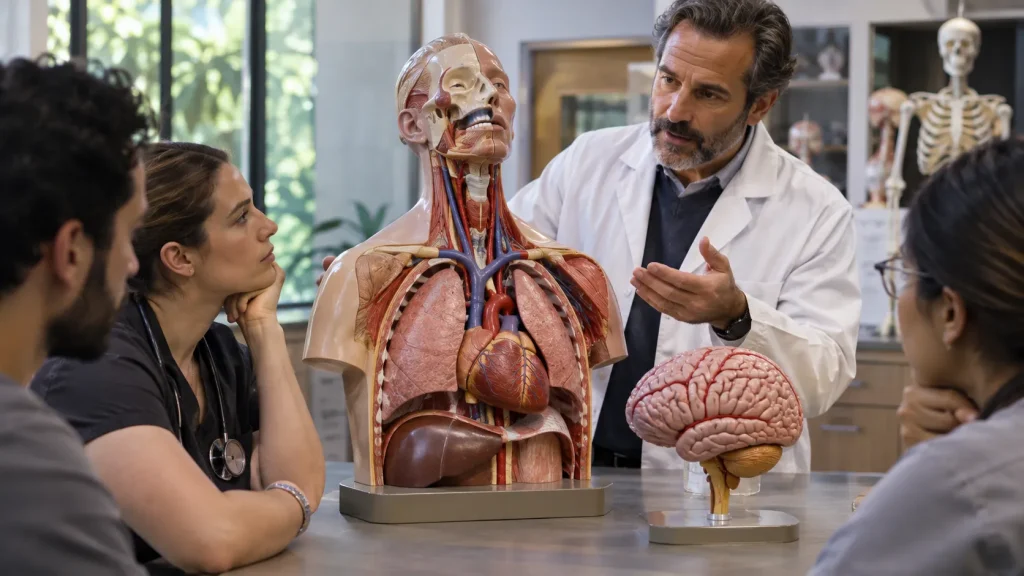
Methamphetamine affects many of the major organ systems including the brain, the cardiovascular system, and the body’s temperature regulating mechanisms. Its stimulant effects are mainly due to its increased activity of dopamine and norepinephrine. Dopamine is involved in reward and reinforcement, and norepinephrine affects alertness, heart rate and blood pressure.
This can lead to short bursts of energy and confidence but it also puts a lot of strain on the body. It is also necessary to realize that the effects of crank can continue for a period of time after the initial high is over to understand what crank is.
Short-Term Effects of Crank
Short-term methamphetamine effects may include increased wakefulness, reduced appetite, heightened energy, euphoria, rapid heartbeat, and elevated blood pressure. Some get nervous, jittery, nauseous, shaky or can’t sleep. Even occasional use can lead to serious complications, especially in those with underlying cardiovascular conditions.
Methamphetamine can cause abnormal heart rhythms, dangerously high body temperature, chest pain, seizures and acute psychological disturbances. These risks can be further increased by higher exposure or inconsistent drug composition. Once the stimulant effects wear off a person may experience a period of exhaustion, low mood or prolonged sleep.
Long-Term Effects of Crank Use
Repeated methamphetamine use can cause significant changes in brain function and physical health. Long-term exposure is linked to problems with memory, attention, decision-making, emotional regulation and impulse control.
A methamphetamine use disorder is when someone loses control of their use despite negative consequences. Other mental health problems may include ongoing anxiety , depression , paranoia and methamphetamine -related psychosis .
Long term effects on the heart include high blood pressure , cardiomyopathy , arrhythmias and increased risk of heart attack or stroke . Research suggests that some neurological and psychological changes can improve after sustained abstinence, although recovery varies considerably between individuals. Anyone experiencing severe depression or suicidal thoughts during withdrawal needs urgent professional assessment.

Crank Overdose: Symptoms and Health Risks
A crank drug overdose occurs when methamphetamine exposure produces toxic effects severe enough to threaten a person’s health or safety. Respiratory depression may not be immediate in stimulant toxicity, unlike opioid overdose. Rather, methamphetamine overdose can cause cardiovascular emergencies, severe agitation, hyperthermia, and neurological complications.
These can include chest pain, a fast or irregular heartbeat, severe confusion, extreme anxiety, high body temperature and hallucinations or seizures, or sudden weakness. A person may also develop symptoms of stroke such as facial drooping, difficulty speaking or loss of coordination.
Call 911 immediately if someone develops seizures, chest pain, unconsciousness, severe overheating, difficulty breathing, or signs of a stroke. While you wait for emergency responders to arrive, stay with the person, minimize unnecessary noise and stimulation, and help prevent further overheating when it is safe to do so.
Naloxone reverses an opioid overdose but will not reverse methamphetamine toxicity. But because illicit stimulants can be contaminated with fentanyl or other opioids, naloxone should be given if there is a possibility of opioid involvement, especially if breathing is slow or abnormal.
How Common Are Methamphetamine Overdoses in Los Angeles?
Harm related to methamphetamine use continues to be an important public health problem in Southern California. Los Angeles County Department of Public Health recorded 1,890 overdose deaths involving methamphetamine in 2023 and 1,509 in 2024. This represented a decline of some 20%. The department reported in June an additional 7% rise in methamphetamine-related overdose deaths from 2024 to 2025.
These improvements are encouraging, but they do not mean that meth use is safe.” In 2024, the Centres for Disease Control and Prevention reported 28,722 overdose deaths involving psychostimulants with abuse potential, including methamphetamine, nationally. The data underscore the continuing need for prevention, early intervention, overdose response and accessible addiction treatment.

Treatment for Crank Addiction in Los Angeles, CA
Methamphetamine use disorder is a treatable medical condition. If you have cravings, have tried to quit but keep going back to meth, suffer withdrawal symptoms, or have complications related to meth use, you can benefit from a professional assessment and a structured treatment program.
Treatment usually focuses on managing acute health issues, psychological and behavioral patterns and long-term recovery. There are no FDA-approved medications for methamphetamine use disorder at this time. There are, however, several evidence-based behavioral treatments that can help you.
Cognitive behavioural therapy (CBT) teaches individuals to identify triggers, manage cravings, develop coping skills, and respond differently in situations associated with substance use.
Motivational interviewing, relapse-prevention counselling and the Matrix Model can also help with recovery. Treatment is most effective when it considers co-occurring mental health conditions, other substance use, housing stability and individual circumstances.

What Treatment Options Are Available in Los Angeles?
For individuals struggling with methamphetamine addiction, finding the right treatment environment is an important step toward recovery. At The House of Life, our luxury rehab in Los Angeles combines personalized addiction treatment with the privacy, comfort, and individualized attention clients need to focus on healing. Our approach recognizes that every recovery journey is different, emphasizing compassionate care, emotional well-being, and long-term sobriety.
Through our meth addiction treatment in Los Angeles, we focus on helping individuals understand the underlying factors contributing to substance use, develop healthier coping strategies, and build the skills needed to maintain recovery. A supportive, private setting allows clients to step away from everyday stressors and dedicate time to their physical and emotional well-being.
For information about the treatment options available, call The House of Life 24 hours a day at +1-805-888-8000, or complete the online form to speak confidentially with the team.
Sources
1. US Drug Enforcement Administration (DEA) — Methamphetamine Fact Sheet
https://www.dea.gov/factsheets/methamphetamine
2. National Institute on Drug Abuse (NIDA) — Methamphetamine Research Report
https://nida.nih.gov/sites/default/files/methrrs.pdf
3. Centers for Disease Control and Prevention (CDC) — Stimulants and Overdose Prevention
https://www.cdc.gov/overdose-prevention/about/stimulant-overdose.html
4. CDC — Stimulant Overdose Response Guide
https://www.cdc.gov/overdose-prevention/media/pdfs/2024/03/CDC-Stimulant-Guide.pdf
5. CDC — Drug Overdose Deaths in the United States, 2023–2024
https://www.cdc.gov/nchs/products/databriefs/db549.htm
6. Los Angeles County Department of Public Health — Drug Overdose Deaths in LA County, June 2026
https://publichealth.lacounty.gov/phcommon/public/media/mediapubdetail.cfm?cur=cur&prid=5367&prog=media&start=1&unit=media
7. Los Angeles County Department of Public Health — Methamphetamine Overdose Data
https://publichealth.lacounty.gov/sapc/docs/providers/data/Accidental-Drug-Overdose-Deaths-in-LAC.pdf