People who use meth get meth sores, which are open wounds, scabs, and lesions on their skin. These sores are some of the worst physical signs of meth abuse.They aren’t just cosmetic problems; they are serious health problems that can lead to infections that could kill you if you don’t get them treated.If you or someone you care about is addicted to meth in Los Angeles, the first step to healing both the visible wounds and the addiction is to get professional help. Knowing what causes meth sores, how to spot them, and what treatments are available can help you tell when someone you care about needs help.

What Do Meth Sores Look Like?
Depending on what caused them and how long they’ve been there, meth sores can look very different. Some look like small red bumps, like acne or bug bites. Others look like open wounds with jagged edges, crusty scabs, or blisters filled with pus. The sores often look red and swollen with a darker center. If they get infected, they might swell, feel warm around the wound, and have yellow or green discharge. Many meth sores group together, especially in places where users scratch or pick at their skin a lot. These sores may look like normal skin problems at first. But as meth use goes on, they become clear—deep craters, lots of scarring, and wounds that won’t heal. Some long-term users develop what’s called “meth face,” where facial sores leave permanent disfigurement that dramatically alters their appearance.
What Causes Meth Sores?
Several factors combine to create the skin damage seen in meth users. It’s rarely just one thing, usually it’s a perfect storm of physical, chemical, and psychological effects working together.
Neurological Effects and Skin Picking
One of the stranger effects of methamphetamine is a tactile hallucination called formication. Users feel like bugs or mites are crawling on or under their skin. People who use meth often don’t realize how much damage they’re doing because it makes them more tolerant of pain.People who believe they have “meth mites” or “crank bugs” are always scratching and picking at their skin.They might use their nails, tweezers, or even sharp things to get rid of the fake bugs. What happens? Deep wounds that become infected and leave lasting scars.
Chemical Exposure and Skin Damage
Methamphetamine production involves some nasty chemicals lithium, ammonia, hydrochloric acid, and other caustic substances. Residues from these chemicals remain in the drug and can burn skin when smoked or handled directly, cause irritation inside the nostrils of people who snort meth, and exit the body through sweat, creating prolonged contact that damages skin. People who smoke meth also frequently burn their lips and the area around their mouths from overheated pipes. These burns can develop into painful sores that take a long time to heal.
Immune System Damage and Poor Healing
Meth absolutely wrecks the body’s ability to fight off infection and heal wounds. The drug suppresses white blood cell production, constricts blood vessels (reducing circulation to the skin), and often leads to severe dehydration and malnutrition. Add to that the fact that many meth users neglect basic hygiene—skipping showers, not washing hands, wearing dirty clothes—and you’ve got conditions ripe for bacterial infections. Minor scratches that would heal quickly in a healthy person can turn into serious infected sores in someone using meth.
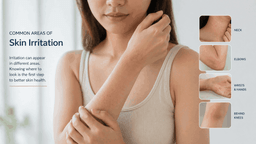
Identifying Meth Sores: Symptoms and Common Locations
People who inject methamphetamine often get track marks and infections at the injection site. Sharing needles spreads bacteria and raises the risk of serious infections. The injection sites themselves can become abscessed, requiring medical intervention to drain and treat.Meth sores show up most often in places that are easy to reach and scratch. The face is particularly affected; cheeks, chin, forehead, and around the mouth are common locations. Arms and hands also frequently show these lesions, as do legs and the chest. In addition to the sores, there are other symptoms that often come with them, such as rapid weight loss and a gaunt appearance, dental problems (often called “meth mouth”), paranoid or erratic behavior, lack of sleep (sometimes going days without rest), constant scratching or picking at the skin, and dilated pupils with rapid eye movement.Methamphetamine is still a big problem in California. The California Department of Public Health says that the number of overdose deaths related to meth has gone up a lot in the last ten years, and meth is still one of the most commonly abused drugs in Los Angeles County.
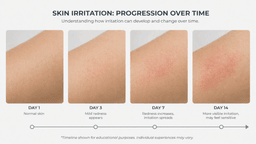
Timeline and Progression of Meth Sores
Meth sores don’t happen overnight. As the user keeps using the drug, the problems get worse.After a few weeks of heavy use, small red bumps that look like acne or mild skin irritation appear.The skin may feel itchy or slightly tender. At this point, many users don’t connect these blemishes to their drug use. Over weeks to months, scratching and picking can cause open wounds.The scabs keep coming off, which makes the wounds bleed and heal more slowly. This makes it more likely that you will get an infection, and some sores may get pus or look bigger. Chronic users can damage their skin a lot over months or years. Some wounds become necrotic, looking black or gray. Abscesses may need to be drained surgically. Deep scarring becomes permanent, and some users develop disfiguring facial damage.When a person stops using meth and gets the right care, their skin can start to heal. Minor sores may heal within a few weeks, though more severe damage can take months—and some scarring may be permanent.
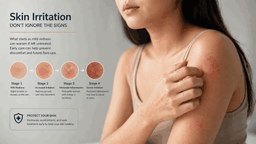
Dangers and Health Risks of Meth Sores
Meth sores are more than just unpleasant to look at. They pose genuine health risks that can become life-threatening.
Infections
Open wounds are an invitation for bacteria. Meth users often get staph infections.These infections can lead to cellulitis, abscesses, or even sepsis, a blood infection that can kill you. When an infection gets into the blood, it can spread to organs all over the body. In some cases, people have had to have limbs cut off to stop the infection from spreading.
Scarring and Skin Damage
Even after the sores heal, they often leave behind permanent scars, pockmarks, and discolored skin. This is especially bad for facial sores, where everyone can see the damage.
Mental Health Effects
This can hurt a lot mentally. People with meth sores often feel ashamed, embarrassed, and alone. This can make their addiction worse because they may use more drugs to cope with how they feel about how they look. There is also a lot of stigma around visible meth sores. People may face discrimination in jobs, housing, and social situations. This can make recovery even harder because being alone makes the cycle of addiction stronger.
How Are Meth Sores Treated?
To get rid of meth sores, you need to work on both your addiction and your skin problems. You can’t get better without both. The treatment includes cleaning the wounds to get rid of bacteria, antibiotics to treat and prevent infection, wound dressings to keep them clean, drainage for abscesses when needed, and moisturizers to ease dryness.
Basic Wound Care
To get rid of meth sores, you need to work on both your addiction and your skin problems. You can’t get better without both. The treatment includes cleaning the wounds to get rid of bacteria, antibiotics to treat and prevent infection, wound dressings to keep them clean, drainage for abscesses when needed, and moisturizers to ease dryness. If the area around the sore gets redder, warmer, swells, or has pus, you should see a doctor right away.You need to stop scratching because it will make your meth sores worse. You can do this by keeping your nails short, wearing gloves or bandages to keep from picking, using tools to relieve stress to change your behavior, and taking drugs that make you want to pick less. The only way to permanently stop meth sores is to stop using methamphetamine, which requires full addiction treatment.
Medical Treatment
The treatment includes cleaning the wounds to get rid of bacteria, antibiotics to treat and prevent infection, wound dressings to keep them clean, drainage for abscesses when needed, and moisturizers to ease dryness. If the area around the sore gets redder, warmer, swells, or has pus, you should see a doctor right away.
Behavioral Support
You will get a lot of meth sores if you scratch a lot. You need to stop. You can do this by keeping your nails short, wearing gloves or bandages to keep from picking, using stress-relief tools to change your behavior, and taking drugs that make you want to pick less. The only way to permanently stop meth sores is to stop using methamphetamine, which requires full addiction treatment.
Why Treating Meth Addiction Is Essential
Meth sores are symptoms of a deeper problem. You can clean and bandage wounds all day, but if someone keeps using meth, new sores will continue to appear. The skin can’t heal properly while the body is still being damaged by the drug. Recovery from methamphetamine addiction also allows the immune system to rebuild, hygiene habits to improve, and the psychological symptoms to resolve. Research demonstrates that various cognitive and physical effects of methamphetamine use can significantly improve with extended periods of sobriety. Most of the time, detox is the first step. Meth detox should be done with medical supervision because the withdrawal symptoms can be very bad. There aren’t any FDA-approved drugs for meth withdrawal right now, but doctors can give you drugs to help with symptoms like anxiety, depression, and trouble sleeping.

Getting Help for Meth Addiction
If you or someone you care about has meth sores, it’s time to get help. Methamphetamine addiction is serious, but you can get better with the right help. The House of Life offers a full range of meth addiction treatment in a supportive setting. Our programs include medical detox to help you safely stop using, residential treatment that provides 24/7 care in a structured setting, dual diagnosis treatment to deal with mental health issues that happen at the same time, behavioral therapy to change bad habits, and aftercare planning to help you stay sober for the long term. The House of Life is a high-end luxury rehab center in Los Angeles with comfortable rooms and care that is tailored to your needs. You don’t have to get better on your own.

FAQ: Meth Sores
What Drugs Cause Skin Sores?
What Do Sores Look Like From Drug Use?
What Are 5 Signs That Someone Is Using Drugs?
Do Drug Addicts Get Staph Infections?
Does Meth Cause Acne?
What Do Meth Sores Look Like?
Does Meth Make You Itch
Sources
- Centers for Disease Control and Prevention (CDC) – Skin Infections
https://www.cdc.gov/groupastrep/diseases-public/skin-infections.html - National Institute on Drug Abuse (NIDA) – Methamphetamine Research Report
https://nida.nih.gov/research-topics/methamphetamine - National Institute on Drug Abuse (NIDA) – Commonly Used Drugs Charts
https://nida.nih.gov/research-topics/commonly-used-drugs-charts - MedlinePlus – Skin Infections
https://medlineplus.gov/skininfections.html - Substance Abuse and Mental Health Services Administration (SAMHSA)
https://www.samhsa.gov/