“Cali sober,” or California sober, is a way of living that involves steering clear of certain risky substances. Think alcohol and harder drugs. However, it allows for the use of others, with cannabis being the most frequent choice, and sometimes psychedelics. Those who embrace this lifestyle generally stay away from substances like alcohol, opioids, and cocaine, among others, which carry a greater risk of addiction or serious health problems. They might still use cannabis regularly and, on occasion, try psychedelics like psilocybin.
If you’re curious about “cali sober,” here’s the gist: it’s not about complete sobriety. Think of it as a harm reduction strategy. Instead of a complete overhaul, a person might opt to eliminate the substances that have caused the most problems, while continuing to use others they deem less harmful.
“California sober” has become a buzzword, fueled by social media, celebrity endorsements, and changing attitudes toward cannabis. It’s a departure from the traditional understanding of sobriety, which typically means avoiding all mind-altering substances. This viewpoint allows for a more flexible way of living. It offers a different choice for people who find complete abstinence too difficult or too limiting.
Individuals frequently choose this path, based on their assessment of the comparative hazards associated with various substances.
For instance, some may consider cannabis to be less addictive or less detrimental to their daily functioning compared to alcohol or more hazardous drugs.
Conversely, it is crucial to acknowledge that “cali sober” does not constitute a medically sanctioned treatment modality or a formal recovery program. Instead, it’s a personal choice, and its meaning varies greatly depending on the individual.
Some people stick exclusively to cannabis, whereas others might incorporate other substances into their routines, albeit under what they perceive to be controlled circumstances.
Does “California Sober” Work?
The effectiveness of the California sober lifestyle is not easily determined. A person’s ability to manage their substance use depends on their individual characteristics, their past experiences with drugs and alcohol, and their skill in setting and maintaining personal boundaries. Some people believe that adopting a “cali sober” lifestyle helps them regain a sense of personal control.
For example, those who have struggled with alcohol use might find that using cannabis reduces their cravings, lessens their anxiety, and improves their daily lives. In these situations, a cali sober approach can be a helpful harm reduction strategy, especially when compared to more harmful substance use.
At the same time, the scientific support for this approach as a reliable long-term recovery method is limited. Most addiction research still emphasizes complete abstinence, especially for people with substance use disorders that are moderate to severe. This preference stems from the understanding that addiction encompasses more than just the substance; it also involves behavioral patterns, ingrained habits, emotional stimuli, and alterations in brain chemistry.
For some people, using any psychoactive substance can help maintain certain behaviors. Initially, the use of a controlled or infrequent substance can gradually increase. As tolerance develops, individuals might use the substance more often, which could eventually lead to a return to their original drug of choice.


Who Chooses the Cali Sober Approach
This option often attracts those looking for a more flexible and personalized way to handle their substance use. Many people start their journey by battling alcohol use disorder, often after completing an alcohol detox program.Some find that cannabis helps curb their cravings, boosts their spirits, or helps them cope with stress, all while sidestepping the negative consequences alcohol brought into their lives.
Furthermore, some people have struggled with certain substances, believing they can control drugs they think are less harmful. This trend is also becoming more common among younger adults and those influenced by modern wellness ideas. The growing focus on personalized health, mindfulness, and balance has made selective sobriety more appealing.
In contrast, the Cali sober approach offers more personal freedom and control. However, this flexibility can also present difficulties.Without clear instructions and the benefit of expert advice, people are forced to find their own way, relying on their own judgment.This can be a particularly challenging, and even perilous, scenario for those with a history of addiction.

Potential Benefits of Being Cali Sober
Harm Reduction
For some people, a Cali sober approach can function as a form of harm reduction by reducing or avoiding substances they consider more harmful, such as alcohol or other drugs, while continuing to use cannabis. In this context, the goal is often to improve overall health, daily functioning, and emotional stability while maintaining a pattern of substance use they feel is more manageable. Some individuals report better focus, more consistent energy levels, fewer risky behaviors, and a greater sense of control compared with periods of heavier or more problematic substance use. For others, adopting a Cali sober lifestyle may represent an intermediate step toward broader recovery, improved well-being, and a more stable routine.
Improved Daily Functioning
A frequently cited advantage is enhanced daily functioning. Numerous individuals report improved capacity to uphold routines, fulfill obligations, and nurture relationships following the cessation of substance use that significantly impairs judgment, mood, or physical well-being. For some, continued cannabis use seems less destabilizing and more easily controlled than their previous substance use habits, potentially contributing to greater stability in their everyday experiences.
Psychological Flexibility
The idea of complete abstinence can be intimidating, especially when beginning a recovery journey. For some, a “Cali sober” lifestyle might provide a more manageable entry point, permitting gradual adjustments without the weight of an all-or-nothing mentality. This flexibility can make the process seem more achievable, lessening the intimidation factor, especially for those who aren’t prepared to commit to complete abstinence right away.
Social Comfort
In specific social contexts, the use of cannabis is more socially acceptable than total abstinence, potentially influencing individuals’ experiences of social connection during the recovery process. The “Cali sober” approach might assist certain individuals in maintaining social engagement while steering clear of substances that previously caused significant harm in their lives. Consequently, this approach can mitigate feelings of isolation for some, thereby fostering sustained participation in social relationships throughout a period of adjustment.

Risks and Dangers of Cali Sobriety
Although some people view Cali sober as a more manageable alternative to full abstinence, this approach also carries important risks that can complicate recovery and long-term well-being.
Continued Dependency
One of the biggest concerns with cali sober is that dependency may not disappear, but simply shift to another substance. Cannabis, although often seen as less harmful, can still lead to dependence, especially with regular use, sometimes requiring marijuana addiction treatment. As a result, this can lead to more frequent use, a greater tolerance, and difficulties in normal functioning when the substance is not present.
Risk of Relapse
Addiction is often tied to deeply ingrained habits and triggers. Continuing to use any psychoactive substance can reactivate these patterns. For some individuals, this increases the risk of returning to alcohol or other drugs, especially in situations related to mixing alcohol and marijuana.This is especially important for people with a history of severe addiction, because even small amounts of the substance can trigger a return to drug use.
Mental Health Effects
Cannabis and psychedelics can affect mood, thinking, and perception. While some people use them to reduce anxiety, others may experience the opposite effect.
For some people, especially those with existing mental health conditions, these substances can worsen anxiety, contribute to depression, or even trigger psychotic symptoms. This can make recovery and overall well-being more difficult.
Lack of Structure
Unlike traditional recovery programs, cali sober does not usually involve structured support systems. There are no standard rules, accountability systems, or professional guidance built into this approach. As a result, individuals must create and enforce their own limits. This can make it harder to recognize when use becomes problematic.
Misleading Perception
The term “sober” can be confusing in this context. Cali sober doesn’t necessarily mean someone is completely free from substances, even if the term might imply otherwise. This misunderstanding can lead to an underestimation of the dangers associated with continued substance use.
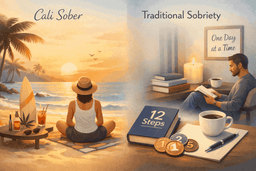
Cali Sober vs. Traditional Sobriety
The difference between cali sober and traditional sobriety is significant.
Traditional sobriety requires complete abstinence from all substances not prescribed by a doctor. This approach is often supported by structured methods like therapy, counseling, and peer support groups, especially in cases of alcohol use disorders. This model has strong clinical support and is considered the most effective treatment for people with moderate to severe addiction.
In contrast, “California sober” allows for selective substance use. People make decisions about which substances to avoid and which to keep using. This approach emphasizes reducing harm and respecting individual choices, rather than strictly following rules.
Although the idea of “cali sober” might seem flexible, it requires a lot of self-awareness and self-control. Maintaining this balance can be very difficult for many people, especially those who have struggled with substance use disorders.
What Are the Alternatives to California Sobriety?
Several evidence-based approaches to recovery may be considered as alternatives to California sobriety, including abstinence-based treatment, behavioral therapy, medication-assisted treatment for substance use disorders, and structured moderation strategies in selected cases. For some individuals, quitting weed may also be an important part of recovery, particularly when cannabis use affects motivation, mental health, daily functioning, or quality of life. Cognitive behavioral therapy can help people identify triggers, manage cravings, and develop healthier coping strategies, while medication-assisted treatment may be especially helpful for opioid or alcohol use disorders.
Although some people view Cali sober as a harm-reduction strategy, it is not a medically approved or universally recommended recovery model. In general, avoiding substance use altogether, including alcohol, recreational drugs, and cannabis when it is causing harm, is the approach most consistently associated with better health and long-term stability. The most appropriate path depends on the individual’s needs, history, and access to professional support, but recovery is usually strongest when guided by evidence-based care rather than informal lifestyle labels.
What Is Cali Sober: FAQ
What Does Cali Sober Mean in Urban Dictionary?
How Is Cali Sober Legal?
What Does “LA Sober” Mean?
What Is the Difference Between Sober and Cali Sober?
References
Subbaraman, M. S. (2024). Cannabis use and alcohol and drug outcomes in recovery settings. Journal of Substance Use Research.
https://pmc.ncbi.nlm.nih.gov/articles/PMC11347081
Brown University School of Public Health. (2025). As “California sober” catches on, study suggests cannabis use reduces short-term alcohol consumption.
https://www.brown.edu/news/2025-11-19/cannabis-alcohol