
Table of Contents
- What Is Low Dose Naltrexone (LDN)?
- How Is Low-Dose Naltrexone Different From Regular Naltrexone?
- What To Avoid When Taking Low Dose Naltrexone (LDN)?
- Foods and Supplements to Avoid While Taking LDN
- Low Dose Naltrexone Side Effects to Watch For
- Can Low-Dose Naltrexone Make You Feel High?
- How Long Does Naltrexone Stay in Your System, and Can You Stop It Suddenly?
- What Happens If You Take Something You Should Avoid With LDN?
- Low Dose Naltrexone and Alcohol or Opioid Use: Important Safety Considerations
- Why Medication Safety Matters in Los Angeles
Low-dose naltrexone (LDN) is increasingly discussed as a possible treatment for chronic pain, fibromyalgia, and certain inflammatory conditions. Although it uses a much smaller dose than conventional naltrexone, it still affects opioid receptors and can interact with medications commonly prescribed for pain.
Knowing what not to do when starting low dose naltrexone is particularly important for those just starting treatment. Opioid painkillers, some cough medicines, alcohol and changes in medication timing without monitoring can be a safety concern. Some precautions are well established, and others are based on limited research.
The differences can help patients identify side effects, avoid dangerous interactions and use LDN more safely with the help of a doctor.

What Is Low Dose Naltrexone (LDN)?
Naltrexone is a drug that blocks the opioid receptors. At conventional doses, it is approved by the U.S. Food and Drug Administration (FDA) for alcohol dependence and opioid-related treatment indications.Low-dose naltrexone generally refers to doses substantially below the standard 50 mg oral dose, commonly ranging from 0.5 to 6 mg daily. Many clinical studies have investigated approximately 4.5 mg daily.
Researchers are looking into whether low doses might influence pain processing and inflammatory signaling.Possible mechanisms include temporary opioid receptor blockade and effects on immune-related pathways, although these have not been conclusively shown in humans. LDN has been studied for fibromyalgia, chronic pain, inflammatory bowel conditions and a number of other disorders.But low-dose naltrexone is not approved by the FDA for these conditions and research has not shown consistent benefit.
A 2026 review of 105 studies, 15 of which were randomized controlled trials, found LDN was generally well tolerated, but with insufficient evidence to support routine clinical use for the conditions studied. LDN is off-label and not an established alternative to proven treatments, and patients should be informed of this when they are prescribed the drug.

How Is Low-Dose Naltrexone Different From Regular Naltrexone?
The main differences are dosage and intended therapeutic use. Standard oral naltrexone is commonly prescribed at 50 mg daily for alcohol use disorder or opioid dependence treatment. Long-acting injectable naltrexone is also available for approved substance use disorder indications.
LDN usually involves much smaller oral doses, often prepared by a compounding pharmacy because commercially available tablets do not generally provide these exact strengths.
While standard naltrexone is used to block opioid effects and help manage alcohol cravings, LDN is being investigated for other conditions. Both formulations contain the same active medication. A lower dose does not eliminate important drug interactions, particularly those involving opioids. The safety and effectiveness of standard naltrexone should not automatically be assumed to apply identically to LDN.

What To Avoid When Taking Low Dose Naltrexone (LDN)?
When considering what to avoid when taking low dose naltrexone, opioid-containing medications are the most important concern. Other precautions include changes in medications, underlying medical conditions and unmonitored dose adjustments.
1. Opioid Pain Medications
Naltrexone blocks opioid receptors, potentially reducing the pain-relieving effects of opioid medications. Do not take LDN with opioid pain medications unless your prescribing clinicians have specifically coordinated this treatment.
Examples include:
- Morphine, oxycodone, and hydrocodone
- Codeine and tramadol
- Fentanyl and methadone
- Buprenorphine-containing medications
Taking naltrexone while physically dependent on opioids can trigger sudden withdrawal, potentially causing severe nausea, vomiting, abdominal cramps, sweating, and agitation. Higher doses of opioids do not overcome naltrexone blockade.That can lead to a potentially fatal overdose, particularly as the blocking effect wears off.
Individuals using fentanyl outside medical supervision may benefit from professional fentanyl addiction treatment in Los Angeles, where clinicians can assess dependence, withdrawal risks, and appropriate treatment options. If the patient is going to have surgery or needs to be managed for acute pain, the health care providers should know that the patient is on LDN.
2. Opioid-Containing Cough and Diarrhea Medicines
Not all opioid-containing products are prescribed specifically for pain. Some prescription cough suppressants contain codeine or hydrocodone. Certain antidiarrheal medications also act on opioid receptors, although their effects and interactions differ.
Before taking an unfamiliar cough, cold, or gastrointestinal medication, review its ingredients with a pharmacist. This is particularly important when several medications are used together.
3. Starting LDN Too Soon After Opioid Use
People with recent opioid dependence should not begin naltrexone without medical assessment. For conventional naltrexone treatment, FDA labeling generally recommends at least 7–10 opioid-free days after short-acting opioid dependence. Longer intervals may be necessary after methadone, buprenorphine, or other long-acting opioids.
The appropriate interval depends on the medication, exposure history, and withdrawal risk. The dose of LDN is smaller but there is no validated shorter waiting period that is universally safe.
4. Increasing the Dose Without Medical Guidance
Another important point about what to avoid when taking low dose naltrexone is changing the dose too quickly. Some clinicians start with a lower dose and gradually increase it as tolerated.However, there is no standard FDA-approved LDN titration schedule. Higher doses or rapid increases may increase headaches, nausea, sleep disturbances or other side effects.
Symptoms of too much low dose naltrexone may include pronounced nausea, abdominal discomfort, dizziness, headache, or unusual fatigue. These symptoms are not specific enough to establish an overdose. Patients should never double a dose to compensate for a missed one unless specifically instructed.
5. Ignoring Liver Disease or Medication Interactions
Naltrexone is processed by the liver, and clinically significant liver injury has been reported, although serious liver problems are uncommon at recommended therapeutic doses. Physicians should discuss the appropriateness of treatment with patients with acute hepatitis, advanced liver disease or abnormal liver function tests.
Other medications may also affect treatment decisions. Particular attention is needed with drugs that can cause liver injury or when multiple prescriptions are used. Since drug-interaction studies specifically involving LDN are limited, a complete medication review remains important.

Foods and Supplements to Avoid While Taking LDN
There is no established list of ordinary foods that must be avoided while taking low-dose naltrexone. Unlike medications with well-defined grapefruit or vitamin K interactions, LDN has not demonstrated clinically significant interaction with specific foods.
However, patients should consider several precautions.
Herbal supplements: Products advertised for liver health, pain, sleep or inflammation may have multiple active ingredients. Some can cause liver injury or interact with other medications.
Unregulated products: Supplements marketed as natural substitutes for prescription pain medications may contain undisclosed ingredients.
Alcohol: A direct disulfiram-like reaction between naltrexone and alcohol has not been well documented.However, drinking can worsen nausea, dizziness, or other liver-related problems.
For those with gastrointestinal discomfort, taking LDN with food may improve tolerability, but should be done under the direction of the prescribing clinician. Always tell us about supplements, cannabis products and nonprescription medicines before starting treatment.

Low Dose Naltrexone Side Effects to Watch For
Low dose naltrexone side effects are generally mild in published studies, but individual experiences vary. Research on long-term safety remains limited.
Sleep Disturbances and Vivid Dreams
Vivid dreams and insomnia are among the most frequently reported adverse effects in LDN studies. These symptoms occur early in treatment or when the dose is increased in some people. Should the sleep disturbances persist, the clinician may recommend adjusting the time of administration.
Nausea and Digestive Symptoms
Nausea, abdominal discomfort, and changes in bowel habits may occur. Mild symptoms may improve with continued treatment.If vomiting continues or you cannot keep hydrated, seek medical advice. Don’t assume that serious abdominal pain is caused by LDN.
Headache, Dizziness, and Fatigue
Headaches, dizziness, and temporary fatigue have also been reported. If you feel dizzy, don’t drive or use dangerous machinery until you know how this medicine affects you. Re-evaluate if symptoms persist or worsen.
Serious Symptoms Requiring Medical Attention
Although uncommon, more serious problems require prompt evaluation. Seek medical attention immediately if you have: yellowing eyes or skin, dark urine, ongoing stomach pain in the upper abdomen, severe unexplained fatigue.
If you have severe allergic symptoms like swelling of the face or trouble breathing, get emergency help. If you get severe withdrawal symptoms after taking naltrexone with opioids, you need to seek immediate medical attention too.
Can Low-Dose Naltrexone Make You Feel High?
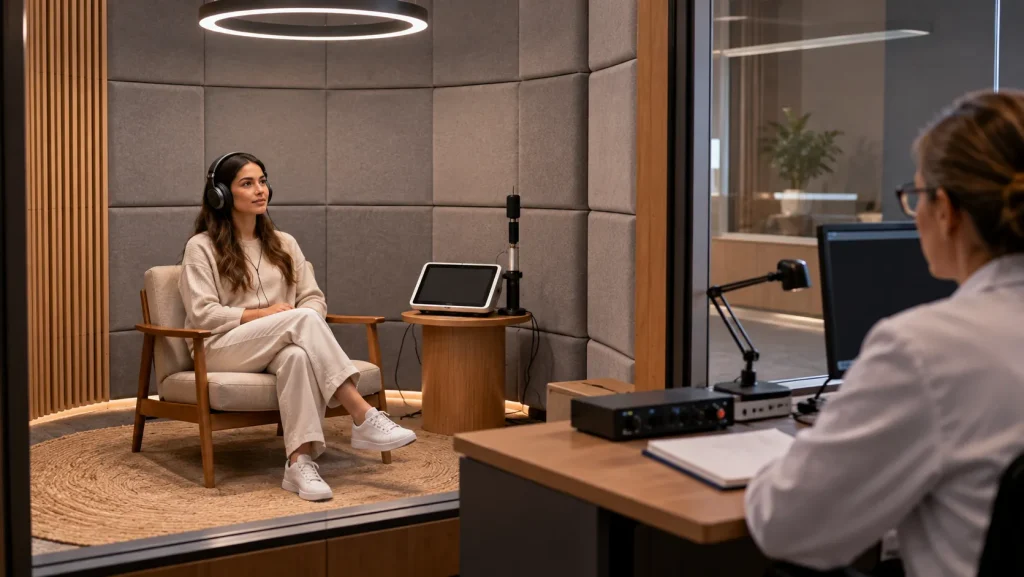
No. Naltrexone is an opioid receptor antagonist and does not produce the opioid-related euphoria associated with drugs such as morphine or heroin. LDN is not considered addictive, and it is not used to produce intoxication.
Some individuals describe changes in mood, sleep, or energy while taking LDN, but these experiences do not establish a psychoactive high. If someone develops unusual agitation, confusion, or substantial mood changes, the symptoms should be reviewed rather than assumed to be a normal medication effect.
People should also not attempt to achieve their typical opioid effects while on naltrexone.Attempts to overcome receptor blockade can lead to dangerous opioid exposure.

How Long Does Naltrexone Stay in Your System, and Can You Stop It Suddenly?
Naltrexone has a relatively short elimination half-life (about four hours) when taken orally. Its active metabolite, 6-beta-naltrexol, has a longer half-life of approximately 13 hours. However, drug elimination and the duration of opioid receptor blockade are not identical.
The length of clinically meaningful opioid blockade after LDN has not been as well characterized as it has after conventional doses. Naltrexone does not typically cause physiological dependence, so stopping it does not usually produce a classic withdrawal syndrome. However, symptoms of the condition being treated may return after discontinuation.
If patients are using LDN for a chronic disease, changing pain medications, or having surgery, they should consult with their prescriber before stopping LDN. Another concern for people with a history of opioid dependence is that with a period of abstinence, opioid tolerance decreases and so the risk of overdose increases if opioid use is resumed.
What Is the Best Time to Take Naltrexone?
There is no time of day established as the best time to take low-dose naltrexone. Some clinicians prescribe it to be taken at bedtime, and others recommend taking it in the morning if taking it at nite causes insomnia or vivid dreams. There are not any major comparative studies showing the benefits of taking LDN in the morning.
The question “Can I take naltrexone at night?” depends on the prescribed formulation and personal tolerance. Patients should not assume that nighttime dosing is necessary for effectiveness; rather, they should maintain a consistent schedule and discuss any change with their clinician.
What Happens If You Take Something You Should Avoid With LDN?
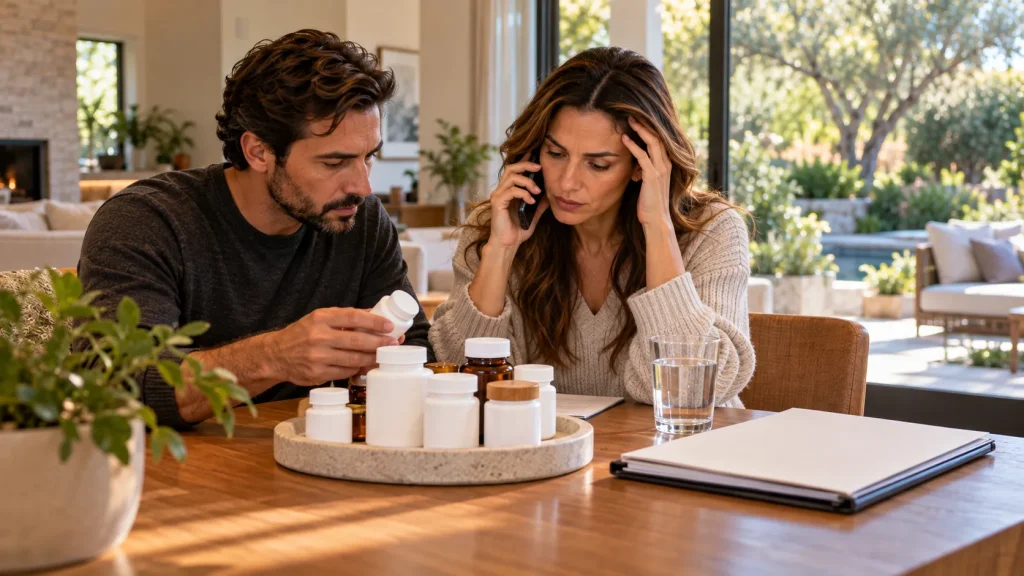
The correct answer depends on what was taken, how much and if any symptoms are present. Contact a healthcare professional immediately if you took an opioid-containing medication while on LDN, even if you expect less pain relief. Do not take additional opioid doses to compensate.
People who are physically dependent on opioids may experience precipitated withdrawal after naltrexone exposure. If severe vomiting, dehydration, agitation, breathing difficulties, unusual drowsiness, or loss of consciousness occurs, emergency care is necessary. For suspected medication poisoning in the United States, Poison Control can be reached at 1-800-222-1222.
When seeking care, provide the medication name, dose, timing, and a list of any other substances taken. If the concern involves accidental alcohol consumption, the response depends primarily on the amount consumed, existing liver problems, and whether other sedating substances were involved.

Low Dose Naltrexone and Alcohol or Opioid Use: Important Safety Considerations
Patients often ask whether they can drink on LDN or whether naltrexone makes someone sick if they drink. Unlike disulfiram, naltrexone does not deliberately produce an alcohol-aversive reaction. Drinking while taking naltrexone does not ordinarily cause the characteristic flushing, intense vomiting, and cardiovascular effects associated with disulfiram.
However, alcohol can worsen some medication-related symptoms, including nausea and dizziness. Heavy drinking can also contribute to liver injury. LDN has not been demonstrated to be effective in the treatment of alcohol use disorder.Evidence for standard-dose naltrexone cannot be simply transferred to low-dose regimens.
For people struggling to reduce alcohol consumption, alcohol addiction treatment in Los Angeles may provide access to medical evaluation, counseling, and evidence-based treatment approaches.
“Can I drink alcohol while on naltrexone?” is a question many patients ask.Naltrexone doesn’t cause a disulfiram-type reaction, but medical supervision is even more important for people with liver disease, heavy drinking patterns or multiple medications.
Opioid use requires separate precautions. Naltrexone can block opioid effects, precipitate withdrawal in dependent individuals, and complicate acute pain treatment. Anyone using opioids regularly should discuss these risks before beginning LDN.

Why Medication Safety Matters in Los Angeles
Substance-related medical emergencies remain an important public-health concern in Los Angeles County. According to the Los Angeles County Department of Public Health’s Alcohol and Other Drug Surveillance Dashboard, in 2025 the county had 2,298 accidental drug overdose deaths.Deaths had dropped from a peak in 2022 but the burden was still significant.
These numbers are indicative of wider drug related overdose mortality and should not be taken as deaths attributable to LDN. Coordinated care is especially important for people with chronic pain and alcohol or opioid use. Individuals with physical alcohol dependence may require supervised alcohol detox in Los Angeles. Abruptly stopping heavy, prolonged drinking can lead to dangerous withdrawal symptoms, including seizures and delirium.
The House of Life provides information about substance use treatment for individuals seeking professional recovery support. Those exploring luxury rehab in Los Angeles can learn about available treatment programs, medical assessment, and admissions services. The key distinction is that LDN prescribed experimentally for chronic symptoms is not equivalent to FDA-approved naltrexone treatment for substance use disorders. They involve the same active medication but different dosing approaches and levels of evidence.
For information about the treatment options available, call The House of Life 24 hours a day at +1-805-888-8000, or complete the online form to speak confidentially with the team.
References
1. DailyMed — Naltrexone Hydrochloride Tablets: Prescribing Information https://www.dailymed.nlm.nih.gov/dailymed/fda/fdaDrugXsl.cfm?setid=0f30f885-d0cd-4fa6-a8e0-142f08a56792&type=display
2. Gouda et al. (2026) — Low-Dose Naltrexone: What Is the Evidence? A Narrative Review https://doi.org/10.1007/s12325-026-03612-5
3. Bruun et al. (2024) — Naltrexone 6 mg Once Daily Versus Placebo in Women With Fibromyalgia https://pubmed.ncbi.nlm.nih.gov/38258677/
4. SAMHSA — What Is Naltrexone? https://www.samhsa.gov/substance-use/treatment/options/naltrexone
5. Los Angeles County Department of Public Health — Alcohol and Other Drug Surveillance Dashboard https://lacountydphsapc.inzatastories.com/aod-deaths
6. Bested et al. — Low-Dose Naltrexone for Treatment of Pain in Patients With Fibromyalgia https://pubmed.ncbi.nlm.nih.gov/38226027/
7. INNOVA Study (2026) — Efficacy of Low-Dose Naltrexone in Women With Fibromyalgia Syndrome https://pmc.ncbi.nlm.nih.gov/articles/PMC13322712/
8. FDA — Compounding and the FDA: Questions and Answers https://www.fda.gov/drugs/human-drug-compounding/compounding-and-fda-questions-and-answers
9. DailyMed — Naltrexone: Clinical Pharmacology and Pharmacokinetics https://dailymed.nlm.nih.gov/dailymed/drugInfo.cfm?setid=06ff2d5a-e62b-4fa4-bbdb-01938535bc65