Alcohol-related nerve damage often goes unnoticed, only becoming apparent when it starts to disrupt normal bodily functions. A minor tingling in the feet can, over time, develop into persistent pain, muscle weakness, and difficulty walking. Unfortunately, most individuals only seek help when their condition deteriorates.
This raises an important question: can alcohol neuropathy be cured?
The prognosis is largely determined by when treatment begins, the condition’s severity, and whether alcohol use stops. While a full recovery isn’t guaranteed, particularly when the condition has progressed, initiating treatment promptly can greatly alleviate symptoms and stave off lasting impairment.
What Is Alcoholic Neuropathy?
Alcoholic neuropathy, a form of peripheral neuropathy, arises from prolonged alcohol consumption. This disorder impacts the peripheral nervous system, the network responsible for relaying signals between the brain, spinal cord, and the body’s other systems.
Alcohol’s impact on the nervous system is twofold. First, it directly damages nerve cells. Moreover, it prevents the body from absorbing and using important nutrients, particularly thiamine, vitamin B12, and folate.
Sensory changes are often the first things people notice, usually manifesting as tingling or numbness in the feet. These sensations can become more intense, resulting in a burning feeling, muscle weakness, and problems with balance.
Symptoms usually start in the legs and then spread to other parts of the body. Furthermore, many people report experiencing leg pain after drinking alcohol, which could be an early sign of nerve damage caused by alcohol, similar to what is described in alcohol shakes.
Data from the National Institutes of Health suggests that nearly half of long-term alcohol users will develop some type of neuropathy.


Stages of Alcohol Neuropathy
Although there is no formal classification system, alcohol neuropathy stages can be understood as a continuum from mild nerve irritation to severe structural damage.
The early signs are often mild, and they can be fleeting. Individuals might experience a tingling sensation, a touch of numbness, or sporadic pain in their feet, particularly after consuming alcohol. Generally, things improve when you cut back on or stop drinking.
As the condition progresses, symptoms become more consistent. Burning sensations, heightened sensitivity, and muscle weakness can start to interfere with daily activities. This can result in less stable walking, as well as increased feelings of unsteadiness or fatigue. This stage indicates ongoing nerve damage, which might still improve with treatment, but immediate medical attention is necessary.
As the condition worsens, the effects of nerve damage become more noticeable.
Patients may experience significant weakness, problems with coordination, and, in some cases, muscle wasting.
In addition, the autonomic nervous system can be affected, which might lead to changes in blood pressure or digestive problems. While the probability of complete recovery diminishes at this juncture, therapeutic interventions continue to be crucial for mitigating further decline.

Causes and Risk Factors
Alcoholic neuropathy is primarily caused by long-term alcohol use, but the severity of nerve damage depends on several factors. A major contributing factor is a lack of essential nutrients. Alcohol consumption interferes with the absorption of important vitamins, particularly thiamine, which is crucial for how the nervous system works.
People diagnosed with alcohol use disorder are at a significantly increased risk, especially when their alcohol consumption is combined with poor eating habits. Understanding alcohol addiction treatment options early can play a key role in preventing progression.
Excessive alcohol consumption often leads to poor nutrition, which can worsen nerve damage.
Liver problems can also cause neuropathy. Because the liver processes nutrients and removes toxins, any damage to it worsens the negative effects of alcohol on the nervous system.
Alcoholic neuropathy is increasingly affecting those in their twenties. In these situations, the condition is often linked to either binge drinking or heavy alcohol use over a short period. This suggests that both the length and frequency of alcohol consumption are important factors in developing the disease.
Additionally, genetic factors, other health conditions, and a person’s overall health can influence how vulnerable they are to nerve damage caused by alcohol.


Diagnosis and Early Detection
Early diagnosis is critical in determining whether alcohol neuropathy can be cured or at least reversed. The sooner the condition is diagnosed, the better the chances of preventing lasting nerve damage.
The diagnostic process typically commences with a comprehensive assessment of the patient’s medical background, placing particular emphasis on alcohol consumption and any alterations in sensory perception. Subsequently, a neurological examination is conducted, evaluating sensory function, reflex responses, and muscular strength.
Blood tests are a common tool for pinpointing vitamin deficiencies and gauging liver function. Nerve conduction studies, on the other hand, are often employed to see how efficiently electrical signals travel through the nervous system.
People who frequently experience numbness, tingling, or cramps in their legs following alcohol consumption should take these symptoms seriously.
Addressing these issues promptly can lead to considerably better results down the road. In many cases, early intervention may include a structured alcohol detox program to safely stop alcohol use.
Can Alcohol Neuropathy Be Cured? Treatment Options
The question “can alcohol neuropathy be cured” is complex because the answer varies depending on the stage of the disease. In early stages, significant recovery is possible. In more advanced cases, treatment focuses on symptom management and preventing progression rather than achieving a complete cure.
Alcohol Cessation
The most important part of treatment is to completely stop drinking alcohol. Continuing to drink, even in small amounts, can worsen nerve damage and make recovery harder.
For many people, structured support is essential. This can be provided through alcohol addiction treatment programs or supervised alcohol detox programs, which allow for the safe and effective management of withdrawal symptoms.
Nutritional Therapy
Nutritional therapy is essential for recovery. Nerve healing relies on metabolic processes that can be bolstered by thiamine, vitamin B12, and other essential nutrients. Deficiencies in these vitamins are frequently seen in those with a history of prolonged alcohol consumption, and they directly contribute to nerve damage.
For some individuals, particularly those with significant deficiencies, intravenous vitamin therapy may be necessary. This approach facilitates quicker correction and supports the initial stages of nerve repair.
Physical Rehabilitation
Physical therapy often comes up as a go-to method for maintaining muscle strength, improving balance, and preventing problems like falls. Rehabilitation becomes particularly important in the middle and later stages of the condition, when mobility is affected.
Targeted exercises can help patients regain coordination and reduce the risk of long-term disability, even when nerve recovery is incomplete.
Comprehensive Rehabilitation Programs
Los Angeles is home to a number of high-end rehabilitation facilities. These centers, much like other comprehensive treatment programs, provide a combination of medical care, psychological support, lifestyle adjustments, and resources designed to help individuals maintain their sobriety over the long haul.
Access to a luxury rehab in Los Angeles can provide a structured environment that supports both neurological recovery and long-term abstinence.
This multifaceted approach targets both the neurological disorder and its underlying causes.
Can Alcohol Neuropathy Be Reversed?
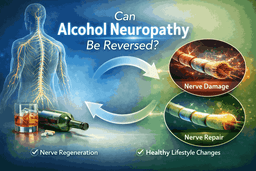
A closely related question is whether alcohol neuropathy can be reversed. The answer is that partial reversal is possible, particularly when intervention occurs early.
Peripheral nerves have a limited ability to heal. If the damage is mild to moderate, stopping alcohol use and correcting nutritional deficiencies can help the nerves recover over time. As patients recover, they might notice less pain, improved physical sensations, and better coordination.
When nerve fibers have sustained significant damage, as in more advanced stages, a complete reversal of the condition is improbable. Despite this, therapeutic interventions can still serve to stabilize the patient’s state and impede any further deterioration.
Recognizing this distinction is key. While alcohol-related neuropathy isn’t always reversible, it frequently shows considerable improvement with appropriate care.
How to Prevent Alcohol Neuropathy in the Future
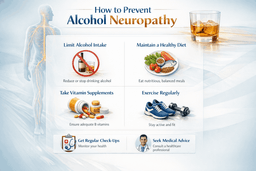
Prevention is closely tied to lifestyle choices, particularly alcohol consumption.The best way to lower your chances of getting neuropathy is to cut back on or stay away from alcohol. If you’re already dealing with symptoms, it’s best to quit drinking altogether.
A diet rich in essential vitamins is crucial for maintaining healthy nerves and warding off damage from deficiencies. Keeping up with your health through regular check-ups gives doctors the chance to catch early signs of neuropathy or nutritional problems, ideally before they escalate.
Many people try to prevent leg cramps after drinking alcohol, as these cramps can be an early sign of nerve irritation. Staying well-hydrated, keeping electrolyte levels balanced, and reducing alcohol consumption can help lessen these symptoms.
Recognizing the first signs and understanding the 4 Stages of Alcoholism: can help people get the help they need before serious problems develop.
Can Alcohol Neuropathy Be Cured? FAQ
What Are the Early Stages of Alcoholic Neuropathy?
How Long Does Alcohol Neuropathy Last?
Can Neuropathy Be Reversed if You Stop Drinking?
Can I Drink in Moderation With Alcoholic Neuropathy?
How Long Does Alcoholic Neuropathy Take to Go Away?
How to Prevent Leg Cramps After Drinking Alcohol?
References
- Alcoholic Neuropathy – MedlinePlus (NIH)
https://medlineplus.gov/ency/article/000714.htm
Provides a clear definition and explains that alcoholic neuropathy results from excessive alcohol use and may affect up to half of long-term heavy drinkers. - Peripheral Neuropathy – MedlinePlus Medical Encyclopedia
https://medlineplus.gov/ency/article/000593.htm
Explains how peripheral nerves function and what happens when they are damaged. - Thiamine (Vitamin B1) Deficiency – MedlinePlus
https://medlineplus.gov/ency/article/002401.htm
Highlights the role of thiamine deficiency in nerve damage and its strong association with alcohol use. - Thiamine in Alcohol Use Disorders – PubMed Central
https://www.ncbi.nlm.nih.gov/pmc/articles/PMC8302359/
Discusses the importance of thiamine supplementation in patients with alcohol dependence and prevention of neurological complications. - Thiamine Deficiency and Alcohol – MedlinePlus (Beriberi)
https://medlineplus.gov/ency/article/000339.htm
Explains how chronic alcohol consumption leads to poor nutrition and vitamin deficiency.