Table of Contents
Recovery from substance use disorders is not a straightforward path. For many people, this experience is a constant challenge of resisting bad habits, and trying to overcome the setbacks and hard days throughout the journey. From Los Angeles to communities across California, addition is an ongoing issue for thousands of individuals. According to the National Library of Medicine, 40% to %60 of people with addiction are likely to experience a relapse.
This is where a well-structured relapse prevention program makes a real difference. Programs that offer personalized plans allow you to maximize your chances of long-term recovery. The House of Life, a luxury rehab in Los Angeles, offers such comprehensive relapse prevention programs that are actionable and are designed for your individual needs.
If you are experiencing a relapse during your journey, seeking professional support can help you smoothly continue your recovery. In this article, we will break down everything you need to know about relapse prevention programs, and why it matters in your recovery path.


What Is a Relapse Prevention Plan?
A relapse prevention plan is a personalized written document specifically designed for people with addiction. This document allows to identify patients’ triggers, warning signs of relapse, and map out specific strategies to use, when such challenges arise. NCBI describes relapse as a process, rather than a single event. The purpose of the prevention plan is to break the cycle of such processes early on, before it becomes a full relapse.
A well-written relapse prevention plan is not just for people who have already relapsed. It is a tool for anyone in recovery, helping to build self-awareness, and resilience from the very beginning.

Common Triggers That Lead to Relapse
Identifying the relapse triggers is one of the essential steps that you should consider before writing your recovery plan. Those can be both internal and external, and include not only anxiety or trauma, but also your surrounding people or places. Certain environment triggers are more common in specific cities. In Los Angeles, for example, there is a wide availability of substances which contribute to the prevalence of its use. Below, let’s cover the most common relapse triggers.
- Emotional triggers: Stress, anger, or anxiety that usually begins subtly such as neglecting your self-care, or detaching from your loved ones
- Environmental triggers: Going to the places, where you used to buy or use substances
- Mental Triggers: Having thoughts of your previous use of substance, which may lead to its reuse
The stages of relapse in drug and alcohol addiction typically begin long before a person actually uses a substance again. Recognizing which stage you are in allows you — and your support team — to intervene early and effectively.

How to Write a Relapse Prevention Plan?
Learning how to write a relapse prevention plan is a thorough, but a collaborative process, which usually includes counselors and therapists. However, this does not mean that you cannot start it on your own. Below, let’s step-by-step discuss how it should be done.
Step 1: Know Your “Why”
Before writing down the triggers that caused your relapse, or coping strategies, identify your motivation for recovery. Define for yourself what sobriety actually means for you. This clarification will help you guide the next steps of your recovery plan.
Step 2: Identify Your Triggers
Define the exact triggers that caused your relapse. Try to be specific. For instance, instead of writing “stress” or “anxiety”, “write“ conflict with my coworker”. The more precise your trigger identification, the more targeted your coping strategy can be.
Step 3: Recognize Your Warning Signs
Warning signs are behavioral and emotional patterns that signal you’re moving toward relapse. These might include skipping therapy sessions, isolating from your network, or returning to old routines. List your personal warning signs, which will allow you to identify them early on, and take the necessary actions.
Step 4: Build a Coping Strategy
Once you recognize the specific triggers that caused your relapse, write down coping strategies for each of those. Typical strategies include but are not limited to going for a walk, spending more time with your loved ones, practicing breathing exercises, or journaling.
Note: Relapse prevention strategies are most effective when they’re practiced regularly.
Step 5: Define Your Crisis Plan
Outline for yourself a step-by-step crisis plan. who you’ll call, where you’ll go, and what immediate actions you’ll take when you are already in the last stages of your relapse. Having this written down removes the need to make difficult decisions in a high-stress moment.
Step 7: Commit to Regular Review
A relapse prevention plan is a living document. Make sure to regularly review these documents, and consult with your therapist, to make adjustments, if needed.
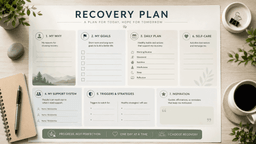
What to Include in a Relapse Prevention Plan Template
If you are following a specific relapse prevention plan template, here is what it should cover:
- Motivation for sobriety: A detailed information as to why you want to recover from your relapse or addiction
- Trigger inventory: a list of any triggers that can cause relapse.
- Warning sign checklist: emotional or behavior signs that signals about your relapse
- Coping strategies: specific actions that you will take for each of the trigger, in case they arise
- Support network contact list: names and phone numbers of people who will support you throughout your relapse journey
- Crisis plan : Step-by-step instructions for what to do in a high-risk moment
- Self-care commitments: sleep, nutrition, exercise, and mindfulness practices
- Review schedule: Specific dates set for updating the plan.
Example Exercise
Mapping your triggers is a great relapse prevention exercise that you can utilize in your relapse prevention plan. Draw two columns. List situations that make you feel most at risk on one side, and write specific coping actions for each on the other. Then, try to identify which of those strategies you have already utilized that have worked for your benefit. This simple mapping exercise becomes a core part of your relapse prevention plan example, making it real and actionable rather than abstract.
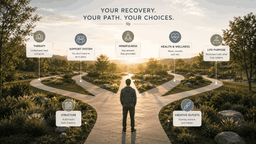
Types of Relapse Prevention Plans
The specific prevention approach to your recovery depends on the stage of your relapse. Below, let’s cover the most prevalent ones.
Cognitive-Behavioral Therapy (CBT): This prevention approach helps individuals identify and reframe their thought patterns that led to substance use. Among the abundance of approaches available, CBT-based relapse prevention therapy is one of the most evidence-supported approaches available as it helps patients recognize high-risk thinking and replace it with healthier mental habits.
12-Step Integration Plans: Certain relapse prevention strategies are modeled after 12-step programs such as Alcoholic Anonymous which rely on shared accountability, group meetings, and sponsorship. These methods are particularly beneficial for those who gain support from their communities.
Individualized Aftercare Plans: This type of plan follows residential treatment, and is designed to meet the needs of each patient’s lifestyle, history, and treatment. Typically, this plan includes ongoing relapse prevention therapy, scheduled check-ins, and step-down care such as intensive outpatient programs (IOP).
Relapse Prevention Group Topics: Group therapy is another important type of prevention approach. Usually, they come together, and discuss such topics as trigger identification, emotional regulation, rebuilding relationships, and practicing coping strategies in a supportive peer setting.
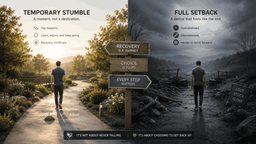
Relapse vs. Slip: Understanding the Difference
For people who are new to recovery, there is a vague understanding between slip and a full relapse. Understanding this difference can prevent panic, shame spirals, and the “all-or-nothing” thinking that often turns a small setback into a devastating one.
A slip (also called a lapse) is a single, isolated instance of substance use after a period of sobriety. It is a warning signal which can be serious, but recoverable. A slip does not erase the progress you’ve made.
A relapse, on the other hand, is a return to regular, sustained substance use. It often follows a slip that went unaddressed, or a prolonged period of emotional and mental warning signs that were ignored.

Start Your Recovery Journey in Los Angeles Today
Los Angeles is home to some of the most advanced addiction treatment resources in the country, and The House of Life is at the forefront. It offers a relapse prevention program that is built around individualized care, and evidence-based therapy.
It has a full continuum of care, from luxury detox to residential treatment with relapse prevention at its core. The House of Life has a clinical team including licensed therapists, addiction specialists, and trauma-informed counselors who collaborate to create a plan that fits your unique history and goals.
Relapse Prevention Plan: FAQ
What Should Be In a Relapse Prevention Plan?
What Are the 5 D’s of Relapse Prevention?
What Are the 9 Stages of a Relapse Prevention Plan?
How Long Are Relapse Prevention Programs?
Reference
Kitzinger, R. H., Gardner, J. A., Moran, M., Celkos, C., Fasano, N., Linares, E., Muthee, J., & Royzner, G. (2023). Habits and Routines of Adults in Early Recovery from Substance Use Disorder: Clinical and research implications from a mixed methodology Exploratory study. Substance Abuse Research and Treatment, 17, 11782218231153843. https://doi.org/10.1177/11782218231153843
University of Wisconsin Integrative Health. (n.d.). Reducing relapse risk. Department of Family Medicine and Community Health, University of Wisconsin-Madison School of Medicine and Public Health. https://www.fammed.wisc.edu/files/webfm-uploads/documents/outreach/im/tool-reducing-relapse-risk.pdf