
Table of Contents
- What Is Purple Fentanyl?
- Why Is Fentanyl Sometimes Purple?
- What Does Purple Fentanyl Look Like?
- Is Purple Fentanyl More Dangerous Than Regular Fentanyl?
- Why is Purple Fentanyl So Dangerous
- Purple Fentanyl Overdose: Signs and Symptoms
- What to do if you suspect a Fentanyl Overdose
- Fentanyl Addiction Treatment in Los Angeles, CA
- Sources
Over the past several years, fentanyl has become one of the leading causes of overdose deaths in the United States. As illicit drug manufacturers continue to change the appearance of fentanyl products, many people have begun asking questions about purple fentanyl, including whether it is more dangerous than white fentanyl and why it appears purple in the first place.
The reality is, purple fentanyl is not some kind of different or safer version of fentanyl. The color could be from dyes, contaminants, or cutting agents, or it could be intentionally colored during the illegal drug manufacturing process. No matter the color, any illicit fentanyl product should be treated as highly dangerous because there’s no way to tell its strength, ingredients, or purity just by looking at it.
Whether someone calls it “purple fent,” a “purple powder drug,” or just asks, “What is purple fentanyl?” knowing the facts can help prevent overdose and save lives.
What Is Purple Fentanyl?
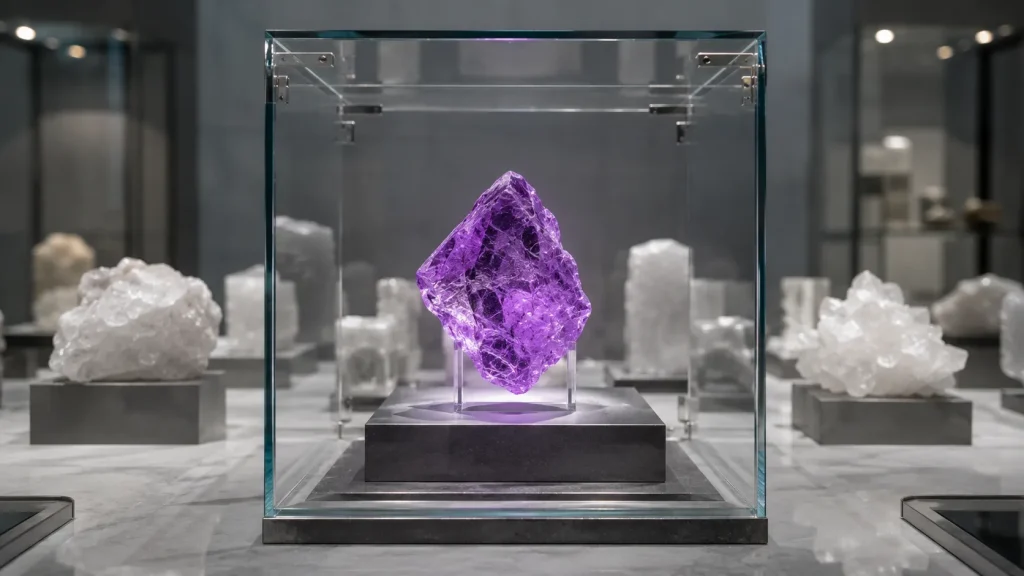
Purple fentanyl is an illegal form of fentanyl that is purple or violet-colored. Pharmaceutical fentanyl is manufactured in a controlled environment with quality control. Illicit fentanyl is made in unregulated labs and without safety standards.
Fentanyl is a synthetic opioid that is approximately 50 times more potent than heroin and up to 100 times more potent than morphine according to the U.S. Drug Enforcement Administration (DEA). Even tiny amounts can cause respiratory depression and death.
The purple color does not indicate a stronger or weaker product. It just reflects how the drug was manufactured or altered prior to its distribution. Many people searching online ask:
What is purple fentanyl?
Is fentanyl purple?
Why is fentanyl purple?
The answer is that fentanyl is not naturally purple. Pharmaceutical fentanyl is typically colorless (in injectable form) or formulated into approved medications such as patches or lozenges. Purple fentanyl almost always refers to illegally manufactured fentanyl.
If you’d like to learn more about fentanyl itself, our guide on fentanyl detox explains how dependence develops and how treatment begins safely.

Why Is Fentanyl Sometimes Purple?
One of the biggest myths surrounding purple fentanyl is that the color somehow means it is more potent. There is no scientific evidence for this assertion at the present time. Why is fentanyl sometimes purple?
There are many reasons why fentanyl may be purple:
- Food coloring or dyes
- Drug manufacturers sometimes add dyes to distinguish batches, to make a drug resemble another drug, or to establish a recognizable brand.
- Cutting agents
- Illegal fentanyl is often cut with other powders before it is sold. These can influence the final color.
- Manufacturing contamination
Because of the lack of quality control in underground laboratories, contaminants from chemicals or equipment may influence the drug’s appearance
Intentional Marketing
Colorful drugs often attract attention and may be used to create the false impression that one product is unique or higher quality.
The DEA has repeatedly warned that illicit fentanyl comes in many colors, including blue, pink, purple, green, and rainbow-colored pills. Color should never be used to judge safety.
For a deeper explanation of the many risks associated with illicit fentanyl, read our article about why fentanyl is so dangerous.

What Does Purple Fentanyl Look Like?
Because illicit fentanyl is manufactured illegally, there is no standard appearance.
Powder
The most common purple powder drug appears as a fine or coarse powder ranging from lavender to deep violet. It can be similar to heroin, cocaine, powdered medications, or other illegal drugs.
The powder can be sold in small plastic bags or mixed with other drugs without the user’s knowledge.
Pills
Illicit fentanyl is often pressed into fake pills that can look like real prescription medications.
Purple pills can look like the following:
- Oxycodone
- Xanax
- Percocet
- Hydrocodone
Fake pills can contain varying amounts of fentanyl, so overdose is possible even from just one pill.
Other Forms
Purple fentanyl has also been identified in:
- Capsules
- Mixed powders
- Drug combinations containing heroin
- Counterfeit pressed tablets
- Drug mixtures containing xylazine or other sedatives
Regardless of the form, appearance alone cannot identify fentanyl or determine its strength.

Is Purple Fentanyl More Dangerous Than Regular Fentanyl?
From a pharmacological standpoint, purple fentanyl is not inherently more dangerous simply because it is purple.
However, illicit fentanyl of any color presents enormous risks because users cannot know
- The actual fentanyl concentration
- Whether additional opioids are present
- Whether xylazine, benzodiazepines, or other depressants have been added
- If multiple batches were mixed together
This unpredictability dramatically increases overdose risk. In California, fentanyl continues to drive overdose deaths. According to the California Department of Public Health, synthetic opioids are responsible for the majority of opioid overdose deaths in the state, and there are thousands of opioid-related emergency department visits and overdose deaths annually in Los Angeles County.
Illicit drug supply is inconsistent, so the purple powder you see today may be different from the purple powder you see tomorrow.

Why is Purple Fentanyl So Dangerous
The color is startling, but the danger is the drug itself.
Fentanyl is very powerful, and it attaches to opioid receptors very quickly and slows down your breathing a lot.
Inconsistent Dosing
Illegal drug manufacturers are unable to precisely measure fentanyl concentrations. One pill may contain very little fentanyl while another from the same batch may contain a lethal amount.
Hidden Fentanyl
Many people unknowingly consume fentanyl because it has been mixed into the following:
- Cocaine
- Methamphetamine
- Heroin
- Counterfeit prescription pills
Someone with no opioid tolerance faces an especially high overdose risk.
Drug Combinations
Purple fentanyl may be mixed with:
- Xylazine
- Benzodiazepines
- Animal tranquilizers
- Other synthetic opioids
These combinations further suppress breathing and complicate emergency treatment.
Rapid Overdose
Respiratory depression can develop within minutes. Even experienced opioid users cannot reliably judge the strength of illicit fentanyl.
Many people also wonder, “What does fentanyl do to the brain?” Fentanyl triggers the body’s opioid receptors that govern pain, pleasure, and breathing. It produces an intense feeling of euphoria and pain relief but also prevents the brainstem from regulating breathing, making an overdose especially dangerous.

Purple Fentanyl Overdose: Signs and Symptoms
Being aware of the signs of overdose can save a life.
Common signs include:
- Extreme drowsiness
- Unable to wake the person
- Slow or stopped breathing
- Blue or grey lips and fingernails
- Pinpoint pupils
- Gurgling or choking sounds
- Cold, clammy skin
- Limp body
- Loss of consciousness
An overdose should always be treated as a medical emergency.
What to do if you suspect a Fentanyl Overdose
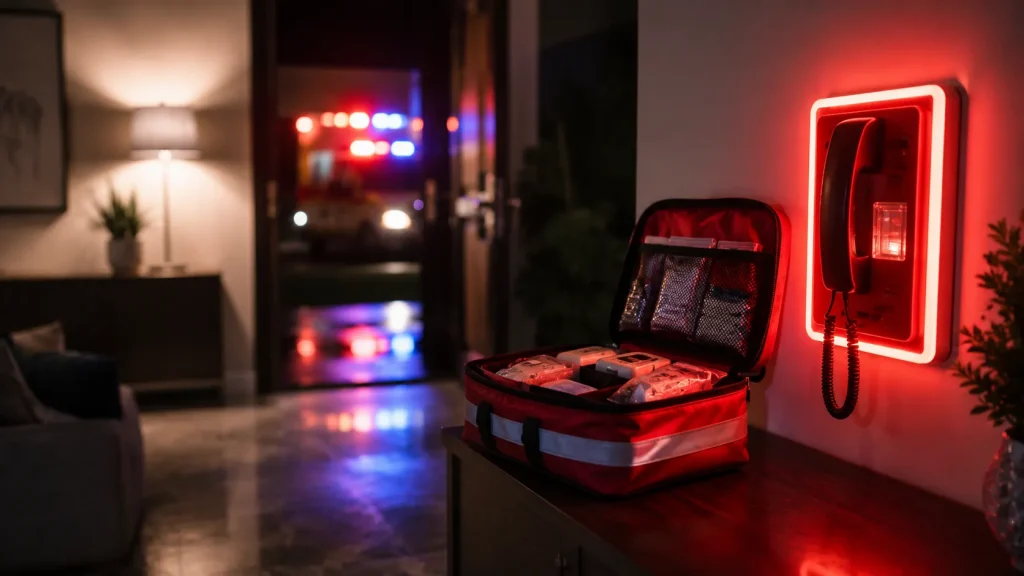
If you think someone has overdosed on purple fentanyl, take action.
1. Call 911
Don’t wait to see if symptoms subside. Get help immediately.
2. Administer Naloxone (Narcan®)
Naloxone can quickly reverse an opioid overdose. Fentanyl is very strong, and it may take more than 1 dose of Narcan to counteract the effects of the fentanyl.
3. Give Rescue Breaths
If the person is not breathing normally and you are trained, give rescue breaths.
4. Stay With Person
Stay with the person until emergency personnel arrive.
5. Know That Symptoms Can Return
Naloxone can wear off before fentanyl is out of the body and symptoms of overdose can return. Even if they wake up, they still need to be seen by emergency medical personnel.

Fentanyl Addiction Treatment in Los Angeles, CA
Fentanyl addiction is conquerable but often begins with medically supervised detoxification.
Withdrawal symptoms may include:
- Severe drug cravings
- Anxiety
- Muscle pain
- Sweating
- Nausea
- Vomiting
- Diarrhea
- Insomnia
The severity of fentanyl addiction can be significant, and quitting cold turkey may increase your risk of relapse or overdose.
Treatment options include:
- Medical detoxification
- Medication-assisted treatment (MAT)
- Individual therapy
- Group therapy
- Cognitive Behavioral Therapy (CBT)
- Trauma-informed care
- Family therapy
- Relapse prevention planning
- Continuing aftercare
At The House of Life, our fentanyl addiction treatment in Los Angeles provides individualized care that addresses the physical and psychological components of opioid addiction.
Our clinical specialists work with each client to develop a personalized treatment plan that encourages long-term recovery and addresses any co-occurring mental health conditions, where applicable.
Ready to take the first step toward recovery from fentanyl addiction? Call us 24/7 at +1-805-888-8000 or submit our online contact form to speak with our team.
Sources
- U.S.Drug Enforcement Administration. Facts About Fentanyl. https://www.dea.gov/resources/facts-about-fentanyl
- U.S. Drug Enforcement Administration.DEA Reports Widespread Threat of Fentanyl Mixed with Xylazine. https://www.dea.gov/alert/dea-reports-widespread-threat-fentanyl-mixed-xylazine
- California Department of Public Health. California Overdose Surveillance Dashboard. https://skylab.cdph.ca.gov/ODdash/
- Los Angeles County Department of Public Health. Substance Abuse Prevention and Control Data. http://publichealth.lacounty.gov/sapc/
- National Institute on Drug Abuse. Fentanyl DrugFacts. https://nida.nih.gov/publications/drugfacts/fentanyl
- Centers for Disease Control and Prevention. Stop Overdose. https://www.cdc.gov/stop-overdose/
- PubMed. Current evidence regarding illicit fentanyl and overdose trends. https://pubmed.ncbi.nlm.nih.gov/42058382/
- University of Washington Alcohol & Drug Abuse Institute. Washington Drug Checking Program. https://adai.uw.edu/WAdata/DrugChecking/soldAsFentPowder.html