
Table of Contents
One of the most dangerous types of polysubstance use is the combination of cocaine and alcohol. Many people mix these substances intentionally to stretch a night of partying or lessen unwanted side effects, but this combination puts tremendous stress on the heart, brain, and liver. It also creates a unique and highly toxic substance called cocaethylene, which can dramatically increase the risk of overdose, heart attack, stroke, and sudden death.
Emergency department visits related to stimulants and overdose deaths continue to climb in California, while alcohol remains one of the leading causes of preventable illness and death. The combination of these substances poses much greater risks than either drug alone.
Understanding what happens when you mix cocaine and alcohol can help people understand the risks and get treatment before an emergency or addiction occurs.

Why Do People Mix Cocaine and Alcohol?
Many people intentionally mix coke and alcohol because they feel the substances balance each other out.
Common reasons include:
- Feeling less drunk while drinking
- Extending the effects of cocaine
- Increasing energy at parties or in nightlife
- Delaying fatigue
- Reducing the “crash” feeling of cocaine
Unfortunately, the perceived benefits are illusory.
Cocaine blocks many of the sedating effects of alcohol, which makes people feel like they are less impaired than they actually are. This often leads people to consume far more alcohol than they intended, which increases the risk of alcohol poisoning and overdose.
Many people even ask, “Can you drink cocaine?” While cocaine itself is not drunk as a beverage, the question reflects a common misconception about combining the two substances. There is no safe amount of cocaine and alcohol to use together.
What Happens When You Mix Cocaine and Alcohol?
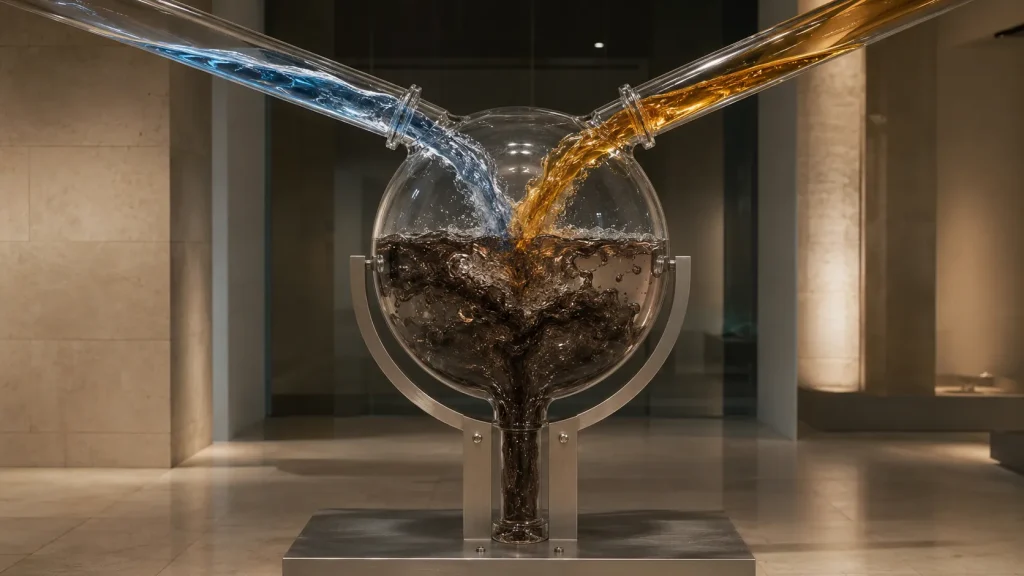
When mixing cocaine and alcohol, your liver does something unique.
Instead of breaking down cocaine the normal way, it breaks some of the cocaine down into a new chemical compound called cocaethylene.
Cocaethylene: Definition
The cocaethylene definition is simple:
Cocaethylene is a psychoactive metabolite that is only created when cocaine and alcohol are present in the body at the same time.
Researchers have discovered that cocaethylene stays in the bloodstream for longer than cocaine alone and produces prolonged stimulant effects while also putting additional strain on the cardiovascular system.
This is why cocaine and alcohol together are much more dangerous than using either of the substances on their own.

Effects of Mixing Cocaine and Alcohol
The effects depend on the amount used, the individual’s health, and how regularly the substances are mixed.
Increased Euphoria
Many users report:
- Feeling more energetic
- Feeling more confident
- Feeling less intoxicated
- Becoming more talkative
- Feeling more alert
These pleasurable effects often encourage repeated use despite increasing health risks.
Increased Risk-Taking
Since cocaine reduces feelings of alcohol intoxication, people often:
- Drink much more than they intended
- Drive while impaired
- Engage in unsafe sexual activity
- Become aggressive
- Continue using drugs throughout the night
Impaired judgment plays a role in many emergency room visits involving cocaine and alcohol.
Increased Physical Stress
Using these substances together puts extreme stress on almost every organ system. Symptoms can include:
- Increased heart rate
- Increased blood pressure
- Chest pain
- Anxiety
- Panic attacks
- Hyperthermia
- Tremors
- Irregular heartbeats
- Trouble sleeping
- Severe dehydration
Some people also experience symptoms similar to severe alcohol shakes during withdrawal after repeated polysubstance use.

The Dangers of Cocaethylene
Understanding what cocaethylene is helps explain why this combination is so dangerous.
Research has consistently shown cocaethylene is more cardiotoxic than cocaine itself.
Increased Risk of Heart Attack
Cocaethylene significantly increases the following:
- Heart rate
- Blood pressure
- Oxygen demand by the heart
- Coronary artery constriction
Together, these changes raise the likelihood of:
- Heart attack
- Cardiac arrest
- Fatal arrhythmias
Even healthy young adults have experienced sudden cardiac death after combining cocaine and alcohol.
Increased Risk of Stroke
High blood pressure combined with narrowed blood vessels greatly increases the chance of:
- Ischemic stroke
- Hemorrhagic stroke
- Brain hemorrhage
- Seizures
These complications may occur even after relatively small amounts of both substances.
Liver Toxicity and Longer Drug Effects
Unlike cocaine alone, cocaethylene has a longer half-life.
This means:
- The stimulant effects last longer.
- Toxic effects persist longer.
- The heart remains under stress for a greater period.
- The risk of overdose increases.
Repeated production of cocaethylene may also contribute to liver damage over time.

Signs of an Overdose or Medical Emergency
Anyone using cocaine and alcohol who develops the following symptoms requires immediate emergency medical care.
Signs include:
- Chest pain
- Difficulty breathing
- Severe confusion
- Seizures
- Collapse
- Loss of consciousness
- Blue lips or fingertips
- Extremely high body temperature
- Irregular heartbeat
- Severe agitation
- Hallucinations
Because alcohol can continue being absorbed after someone loses consciousness, the danger may worsen rapidly. Learn more about recognizing alcohol poisoning and why it should always be treated as a medical emergency.
If someone experiences these symptoms, call 911 immediately.

Is Mixing Cocaine and Alcohol Addictive?
Yes. Cocaine and alcohol also have high potentials for addiction on their own. When combined, they tend to reinforce each other, making it more difficult to quit either substance.
People who regularly mix coke and alcohol tend to experience the following:
- More intense cravings
- More frequent binge episodes
- Greater tolerance
- More severe withdrawal symptoms
- Higher rates of relapse
Over time, people may even become psychologically dependent on the combination itself, rather than either substance alone.
This may further strengthen the brain’s reward pathways and increase compulsive seeking of the drug with repeated use of cocaethylene.

Cocaine and Alcohol Addiction Treatment in Los Angeles, CA
Recovery from cocaine and alcohol addiction is possible through comprehensive evidence-based treatment.
Depending on the severity of use, treatment may start with medically supervised detoxification. Individuals coming off cocaine might get a structured cocaine detox, whereas people with alcohol dependence typically need a monitored alcohol detox because alcohol withdrawal can be fatal. Following detox, ongoing cocaine addiction treatment in Los Angeles can involve the following:
- Individual therapy
- Cognitive Behavioral Therapy (CBT)
- Motivational Interviewing
- Relapse prevention planning
- Family counseling
- Medication management (as needed)
- Dual diagnosis treatment for co-occurring mental health disorders
- Peer support groups
- Aftercare planning
For those desiring a comfortable and highly tailored recovery experience, our luxury rehab in Los Angeles provides thorough medical care and evidence-based addiction treatment in a private, supportive setting.
Seeking help early greatly reduces the risk of overdose and long-term medical complications.
Ready to take the first step toward recovery from addiction? Call us 24/7 at +1-805-888-8000 or submit our online contact form to speak with our team.

Cocaine and Alcohol: FAQ
Is Cocaine Worse Than Alcohol?
What Happens When You Mix Cocaine and Alcohol?
What Is Cocaethylene?
What Drugs Do Not Mix Well With Alcohol?
What is Cocaine Washout Syndrome
Sources:
- National Institute on Drug Abuse (NIDA): Cocaine Research Report, https://nida.nih.gov/publications/research-reports/cocaine
- National Institute on Alcohol Abuse and Alcoholism (NIAAA), https://www.niaaa.nih.gov
- Centers for Disease Control and Prevention: Excessive Alcohol Use, https://www.cdc.gov/alcohol
- California Department of Public Health: Overdose Surveillance Dashboard, https://skylab.cdph.ca.gov/ODdash/
- National Center for Biotechnology Information: Cocaethylene Toxicity Review, https://pmc.ncbi.nlm.nih.gov/articles/PMC8956485/
- JAMA: Cocaethylene Pharmacology and Toxicity, https://jamanetwork.com/journals/jama/article-abstract/395284
- Biological Psychiatry: Cocaethylene Research, https://www.sciencedirect.com/science/article/pii/S0006322397004265