Table of Contents
- What Is Alcoholic Myopathy?
- What Causes Alcoholic Myopathy?
- Symptoms of Alcoholic Myopathy
- What Does Alcoholic Myopathy Feel Like?
- Acute Alcoholic Myopathy vs. Chronic Alcoholic Myopathy
- Can Alcohol Cause Muscle Pain?
- How Is Alcoholic Myopathy Diagnosed?
- Treatment for Alcoholic Myopathy
- Alcoholic Myopathy and Alcohol Use Disorder
- Alcohol Addiction Treatment in Los Angeles, CA
Muscle soreness after drinking is easy to dismiss as a hangover, dehydration, or sleeping in an awkward position. Sometimes that is the explanation. But persistent weakness, significant muscle pain after drinking alcohol, swelling, or loss of muscle mass can point to a more serious condition called alcoholic myopathy.
Alcoholic myopathy is muscle damage associated with heavy alcohol exposure. It can come on suddenly after a drinking binge, or it can develop slowly in people who drink heavily over many years. If you have ever asked yourself, “Why does my body hurt after drinking?” or “Can alcohol cause body aches?” Knowing how alcohol affects skeletal muscle can help you distinguish between regular discomfort and symptoms that may need to be addressed by a physician.
Drinking on an empty stomach will cause the alcohol to be absorbed at a quicker rate, and your blood alcohol level will rise faster. That does not directly cause alcoholic myopathy, but rapid intoxication can increase the risk of acute alcohol-related harm.
What Is Alcoholic Myopathy?
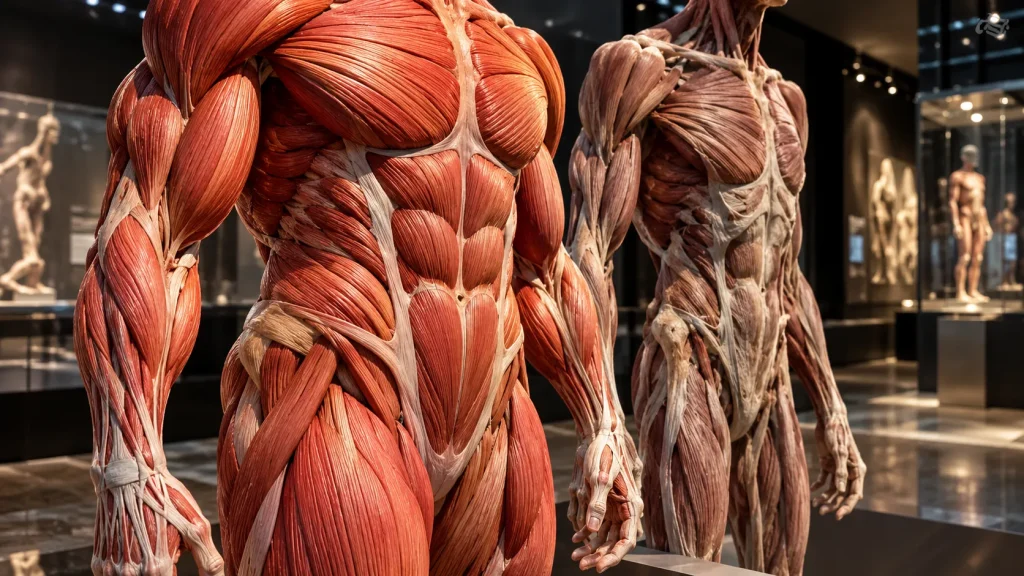
Alcoholic myopathy: A disease caused by alcohol that results in damage to skeletal muscle or change in normal skeletal muscle structure and function. Skeletal muscles support movement, posture, balance, and everyday activities.
Chronic alcohol-related myopathy occurs in about 50% of those with alcohol use disorder (AUD), according to the National Institute on Alcohol Abuse and Alcoholism (NIAAA). Acute alcohol-related myopathy is much less common and may occur after a single severe binge. In a study of 50 men with chronic heavy alcohol use, 46% had biopsy evidence of myopathy and 42% had reduced deltoid strength.
Symptoms of alcoholic myopathy vary by type. Some people experience a gradual loss of strength; others have pain, swelling, cramping, or problems climbing stairs, exercising, or getting up from a chair.
What Causes Alcoholic Myopathy?
Research suggests that direct toxicity of ethanol, impaired muscle protein synthesis, metabolic disruption, and complications that often accompany heavy drinking are potential contributors.
Direct Toxic Effects of Alcohol on Muscle
Human research has shown that repeated ethanol exposure can raise creatine kinase and produce structural changes in skeletal muscle even when nutrition is controlled, supporting a direct toxic effect.
People sometimes ask, “Can alcohol be absorbed by muscle tissue?” Alcohol is absorbed from the stomach and intestines into the bloodstream and then distributes through the water in the body’s tissues and fluids, including muscle. So, can alcohol be absorbed by muscle tissue? Not in the sense that muscle acts as an alcohol storage site; alcohol circulates and distributes according to body water.
Reduced Muscle Protein Synthesis
Muscle depends on a balance between protein production and breakdown. In a controlled human exercise study, alcohol consumed during recovery reduced myofibrillar protein synthesis even when participants also consumed protein. This helps explain why repeated heavy drinking can interfere with muscle repair and recovery.
Does alcohol relax muscles? Alcohol may have a temporary relaxing effect on the central nervous system, but it is not a muscle relaxant used for therapeutic purposes. NIAAA says alcohol can impair coordination and muscle control. So, does alcohol relax muscles in a healthy or restorative way? No; heavy or repeated exposure can impair muscle function.
Hydration, electrolytes, and nutrition
Electrolyte abnormalities, decreased food intake, dehydration, and vomiting may exacerbate cramping or weakness. These factors, however, do not fully account for chronic alcoholic myopathy. Research has documented muscle-fiber atrophy even when nutritional deficiencies or peripheral neuropathy did not account for the findings.
These factors may be relevant when someone says “My legs hurt after drinking” or “How to prevent leg cramps after drinking alcohol?” Hydration, regular meals, and avoiding binge drinking may reduce uncomplicated cramps, but recurrent or severe symptoms should be evaluated.
Symptoms of Alcoholic Myopathy
Muscle Weakness and Decrease in Muscle Mass
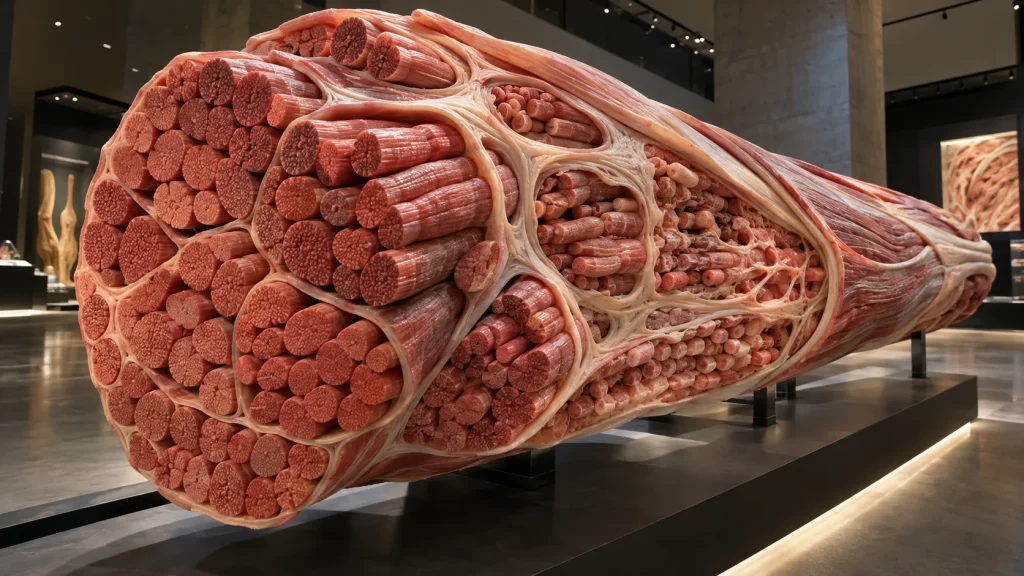
Chronic alcoholic myopathy is generally progressive and results in weakness and wasting, particularly in the shoulders and upper arms, hips, and thighs. Alcoholic myopathy in the legs can make climbing stairs, standing from a low chair, or walking long distances more difficult.
Tenderness, Swelling, or Muscle Pain
Acute alcoholic myopathy can cause sudden muscle pain, tenderness, and swelling after heavy alcohol exposure. Significant muscle pain after drinking alcohol that is worsening or accompanied by marked weakness deserves medical attention.
Cramps, Fatigue, and Exercise Tolerance
Also, symptoms like cramping, heaviness, fatigue, and decreased exercise tolerance are caused by alcoholic myopathy. If your legs hurt after drinking, dehydration or electrolyte changes may be involved, but persistent symptoms can also reflect muscle injury, neuropathy, or another condition.
Dark Urine or Severe Weakness
Severe acute muscle injury can progress to rhabdomyolysis, in which damaged muscle releases myoglobin. Dark brown or cola-colored urine, pronounced swelling, severe weakness, or reduced urination requires urgent medical care because rhabdomyolysis can damage the kidneys. Case reports have documented acute kidney injury from alcohol-associated rhabdomyolysis.

What Does Alcoholic Myopathy Feel Like?
Chronic cases may be relatively painless and feel more like a gradual loss of strength, stamina, and muscle bulk. Acute cases are more likely to feel sore, tender, swollen, or suddenly weak.
This is why “why does my body feel sore after drinking?” has several possible answers. Soreness can be caused by hangovers, dehydration, interrupted sleep, lack of activity, or minor injuries. Alcoholic myopathy is more concerning when soreness is severe, recurrent, associated with objective weakness, or accompanied by swelling or dark urine.
Acute Alcoholic Myopathy vs. Chronic Alcoholic Myopathy
Acute alcoholic myopathy develops over hours to days, often after a heavy binge, and can include painful muscle injury or rhabdomyolysis. It is different from alcohol poisoning, which occurs when alcohol suppresses vital brain functions such as breathing and heart rate. Both can be emergencies.
Chronic alcoholic myopathy develops over months or years of sustained heavy drinking and usually causes progressive proximal weakness and muscle atrophy. In a study of 151 people with chronic alcohol misuse, 90 had type II muscle-fiber atrophy. Abstinence always led to improvement, often within months.
Can Alcohol Cause Muscle Pain?
Yes. Does alcohol cause pain in the body? It could be alcoholic myopathy, but not every ache after drinking is. Alcohol may contribute to dehydration, sleep disruption, falls, electrolyte changes, and impaired muscle recovery in addition to direct muscle effects.
So if you’re wondering how to stop leg cramps after drinking alcohol, the best way is to limit or avoid the exposure to alcohol that causes them. Hydration, balanced nutrition, and gentle stretching may help ordinary cramps, but they do not prevent alcohol-related muscle injury. Recurrent alcoholic myopathy in the legs should be assessed rather than treated only with home remedies.
How Is Alcoholic Myopathy Diagnosed?
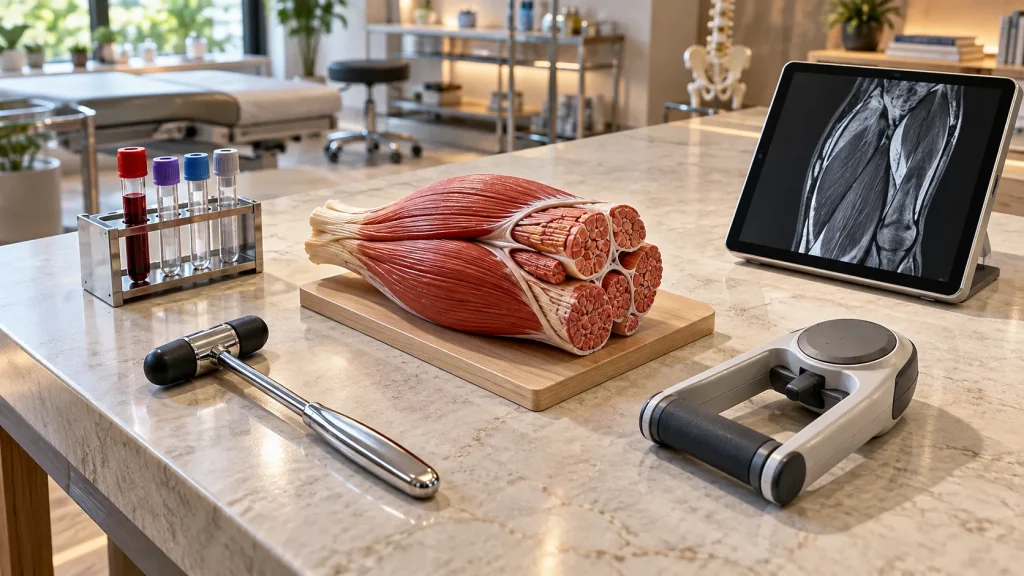
The clinician generally considers patterns of alcohol use, timing of symptoms, medical history, and muscle strength. Depending on the presentation, testing may include creatine kinase, electrolytes, kidney function, liver-related tests, and urinalysis when rhabdomyolysis is suspected.
Electromyography, nerve-conduction studies, imaging, or muscle biopsy may sometimes be used to distinguish alcoholic myopathy from neuropathy, inflammatory muscle disease, medication effects, endocrine disorders, or other neuromuscular conditions.
Treatment for Alcoholic Myopathy
The central treatment is stopping harmful alcohol exposure and addressing medical complications. Studies of chronic alcoholic myopathy show that muscle strength and fiber changes can improve substantially after abstinence. Treatment may also include correcting dehydration or electrolyte abnormalities, improving nutrition, treating deficiencies when present, and gradually rebuilding strength when medically appropriate.
People who drink heavily every day should not assume they can safely stop without support. Withdrawal can include anxiety, sweating, nausea, seizures, and alcohol shakes. NIAAA notes that severe alcohol withdrawal can be life-threatening. Medically supervised alcohol detox in Los Angeles can give those at risk the monitoring and support they need in early recovery.
Alcoholic Myopathy and Alcohol Use Disorder
Alcoholic myopathy can be one physical sign that alcohol use is affecting health, but AUD is diagnosed from the broader pattern of impaired control, cravings, continued use despite consequences, tolerance, withdrawal, and functional impairment.
The alcohol-related health burden is substantial in California. According to the California Department of Public Health, excessive alcohol use (acute and chronic) killed about 19,000 people per year in 2022-2023.
If alcoholic myopathy is present along with difficulty cutting down, repeated binges, withdrawal, or continued drinking and medical problems, comprehensive alcohol addiction treatment in Los Angeles can help address the drinking pattern as well as the physical and behavioral health needs involved in recovery.

Alcohol Addiction Treatment in Los Angeles, CA
Muscle weakness and pain may improve, but the chances of a lasting recovery are greater when the alcohol use that is causing the problem is addressed. The House of Life provides individualized residential alcohol and drug treatment in Southern California, including clinical assessment, evidence-based therapies, dual-diagnosis care, and medical support tailored to the individual.
The treatment for someone with alcoholic myopathy may require coordination between addiction professionals and medical providers to address issues of withdrawal risk, nutrition, mobility, co-occurring conditions, and relapse prevention together.
If alcohol is impacting your health, relationships, or ability to function, The House of Life provides a luxury rehab in Los Angeles with a focus on privacy, structured support, and personalized care.
Alcohol-related muscle disease may improve with abstinence from alcohol. Sudden, severe weakness, large amounts of swelling, dark urine, confusion, seizures, breathing problems, or inability to stay awake should be treated as a medical emergency and not as a normal hangover.
Sources
- Martin FC, Slavin G, Levi AJ. Research on alcoholic skeletal myopathy and muscle weakness. PubMed / medical literature. https://pubmed.ncbi.nlm.nih.gov/2913506/
- National Institute on Alcohol Abuse and Alcoholism (NIAAA). “Basics: Defining How Much Alcohol Is Too Much.” https://www.niaaa.nih.gov/health-professionals-communities/core-resource-on-alcohol/basics-defining-how-much-alcohol-too-much
- Parr EB, Camera DM, Areta JL, et al. “Alcohol Ingestion Impairs Maximal Post-Exercise Rates of Myofibrillar Protein Synthesis Following a Single Bout of Concurrent Training.” PLOS ONE. 2014. https://pmc.ncbi.nlm.nih.gov/articles/PMC3922864/
- National Institute on Alcohol Abuse and Alcoholism (NIAAA). “Alcohol’s Effects on the Body.” https://www.niaaa.nih.gov/alcohols-effects-health/alcohols-effects-body
- Medical research on the direct toxic effects of ethanol on skeletal muscle. PubMed.
https://pubmed.ncbi.nlm.nih.gov/5008161/
Used to support the explanation that alcohol can directly contribute to structural and biochemical changes in skeletal muscle. - Research/case literature on alcohol-associated rhabdomyolysis and acute kidney injury. PubMed. https://pubmed.ncbi.nlm.nih.gov/10751822/
- National Institute on Alcohol Abuse and Alcoholism (NIAAA). “Alcohol Use Disorder: Risk, Diagnosis, and Recovery.” https://www.niaaa.nih.gov/health-professionals-communities/core-resource-on-alcohol/alcohol-use-disorder-risk-diagnosis-recovery
- California Department of Public Health. California State of Public Health Report 2026. https://www.cdph.ca.gov/Programs/OPP/CDPH%20Document%20Library/California-State-of-Public-Health-Report-2026.pdf