Table of Contents
- Cocaine Appearance: What Does Cocaine Look Like?
- What Does Cocaine Look Like in Different Forms?
- What Does Cocaine Smell Like?
- What Cocaine Is Often Mixed With
- Look-Alike Substances: Why You Shouldn’t Jump to Conclusions
- Paraphernalia and Slang for Cocaine: What Families Should Know
- What to Do If You Find Cocaine
- Recognizing a Cocaine Overdose
- Cocaine Hangover: What Happens After Use?
- Cocaine Addiction Treatment Los Angeles: When to Seek Help
If you are wondering what does cocaine look like, appearance alone cannot confirm what a substance is. Illicit cocaine can vary in color, texture, purity, and form, and it may be mixed with other substances that are not visible to the naked eye.
For a concerned parent, partner, friend, or family member, knowing the general characteristics of cocaine may help identify a potential problem. However, you should never taste, closely smell, or unnecessarily handle an unknown powder or substance. Visual identification is not a reliable way to determine what a substance contains.
The U.S. Drug Enforcement Administration describes cocaine hydrochloride as typically a white crystalline powder, while cocaine base, commonly called crack, generally appears as small, irregular whitish rocks.
What does cocaine look like ? This guide will cover the different forms cocaine can take and why appearances can be deceiving . We will also cover possible signs of cocaine use and what to do if you come across a suspected substance.
Cocaine Appearance: What Does Cocaine Look Like?
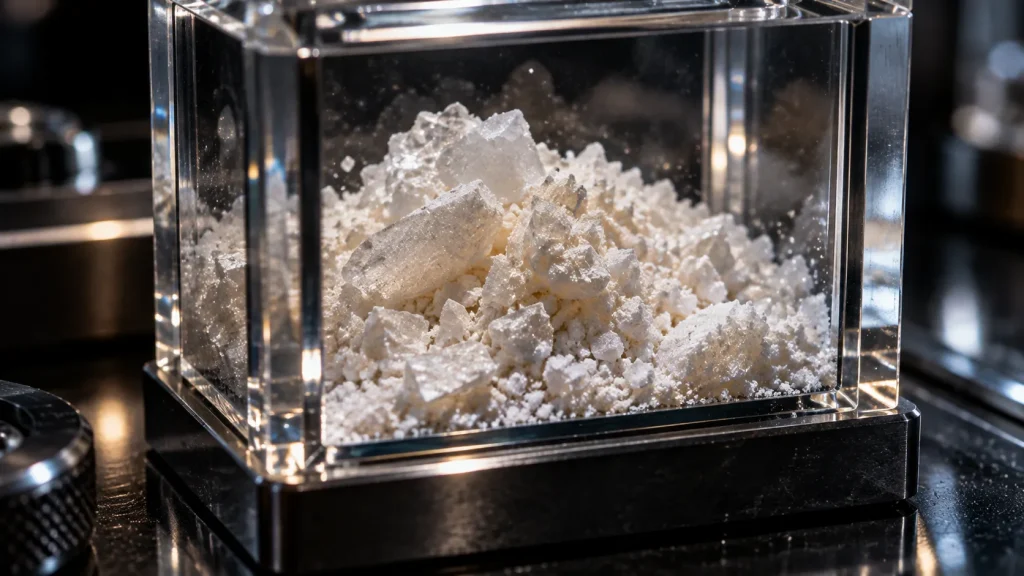
What does cocaine look like? Powder cocaine is often described as a white or off-white crystalline powder. Depending on the storage conditions and other materials present, it may be fine and powdery, granular, or clumped.
Illegal cocaine doesn’t have one standardized look. Moisture, processing, storage and adulterants may influence its color and texture. The DEA says cocaine hydrochloride usually appears as a white crystalline powder and can be “cut” or diluted with other substances before sale.
This difference means that one cannot determine the identity or purity of a substance by appearance. The white powder found in a home could be a medication, a household chemical, another drug, or something else entirely.
What Does Cocaine Look Like in Different Forms?
The appearance of cocaine in its physical form is based on its method of manufacture.
Powdered Cocaine
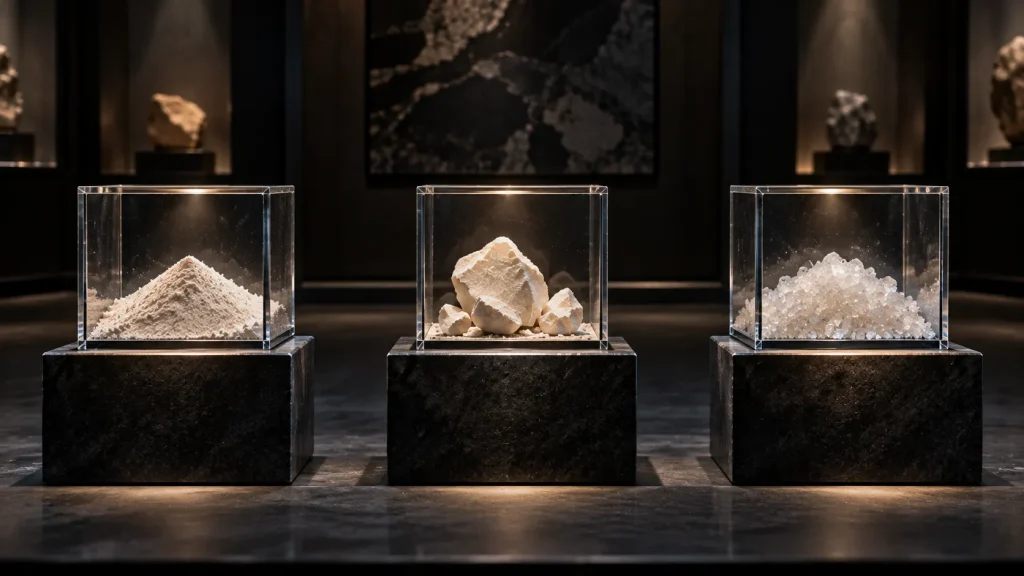
Powdered cocaine, also known as cocaine hydrochloride, is generally described as a white or off-white crystalline powder. It can appear fine, granular, or clumped.
If you are searching for what does pure cocaine look like, the important point is that visual appearance cannot establish purity. A substance that looks particularly white or uniform should not automatically be considered pure cocaine.
Crack Cocaine
Crack is a form of cocaine base rather than cocaine hydrochloride. It is commonly described as small, irregular whitish chunks or rocks.
It can look different and you can not tell how strong it is, how pure it is, or what chemicals are in it just by looking at it .
Cocaine Rocks or Crystals
Terms such as “rocks” or “crystals” may be used to describe solid forms of cocaine, but these descriptions can be misleading. Other substances can also appear as white or translucent crystals or solid pieces.
For families, the most important message is simple: appearance is not identification.
What Does Cocaine Smell Like?
People often search what does cocaine smell like, but smell is not a reliable way to identify an unknown substance.
Illicit drugs may contain a variety of chemicals, cutting agents, contaminants or residues that may mask the odor. Intentionally smelling an unknown powder can also create an unnecessary risk of exposure.
The same applies to questions about taste. A person should never taste an unknown substance to determine whether it is cocaine. Taste cannot reliably establish identity or purity and could expose someone to harmful chemicals or unexpected drugs.
What Cocaine Is Often Mixed With
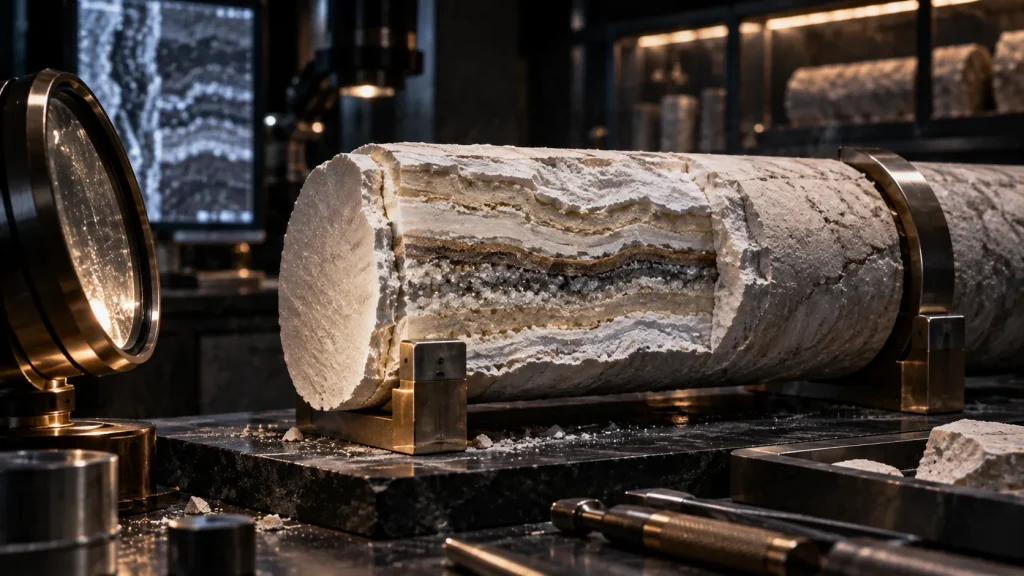
Illicit cocaine may be mixed with other substances before it reaches consumers. The DEA identifies levamisole among substances that have been found as adulterants in cocaine.
The composition of an illicit drug can vary considerably from one batch to another. Two substances that look almost identical may contain very different ingredients.
This is particularly concerning because fentanyl can be present in illicit drugs, including cocaine. California health officials warn that fentanyl cannot be detected reliably by sight, smell, or taste.
Look-Alike Substances: Why You Shouldn’t Jump to Conclusions
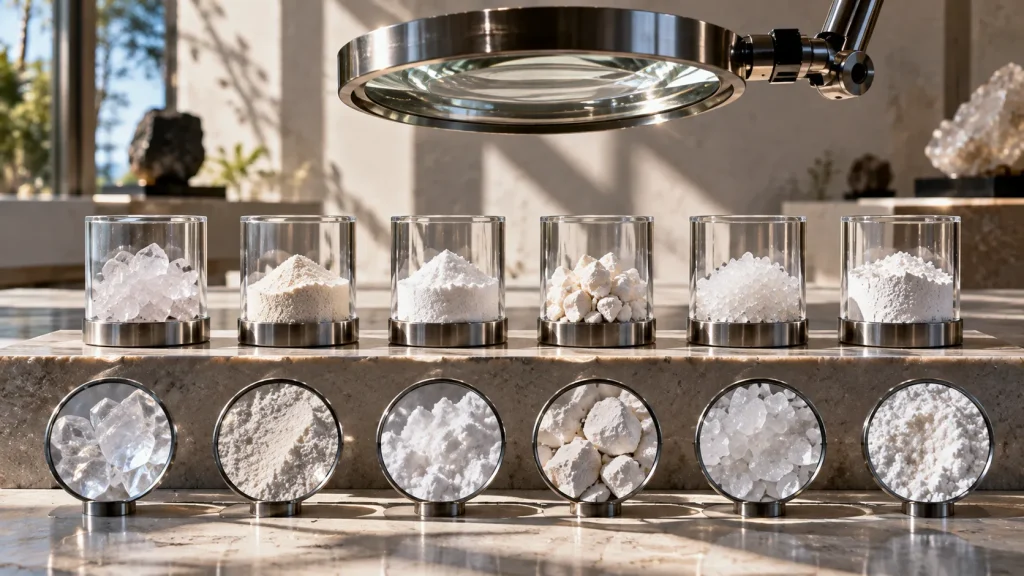
Not every white powder, crystal, or rock-like substance is cocaine.
Household products, medications and other substances can be very similar looking. Therefore, family members should not assume that an unidentified substance is cocaine simply based on its appearance.
Instead, consider the broader picture of changes in behavior, health, relationships, finances and day-to-day functioning. Sometimes a conversation and a professional assessment is more useful than trying to identify a substance yourself.

Paraphernalia and Slang for Cocaine: What Families Should Know
Knowing slang for cocaine can sometimes help family members understand conversations or messages that may otherwise be difficult to interpret. But slang changes over time, and from one community to another, so a person’s use of a word does not necessarily mean that he or she is using cocaine.
Other warning signs may be unexplained powders or residue, small plastic bags or packaging, unusual financial difficulties, secrecy, changes in social groups, sleep disruption, irritability or changes in appetite.
Physical effects of stimulant use can include increased alertness, agitation, restlessness and changes in heart rate. None of these signs individually proves cocaine use.

What to Do If You Find Cocaine
If you discover a substance that you believe could be cocaine, do not taste it, closely smell it, or intentionally handle it. Keep children and pets away from the area and avoid unnecessary exposure.
Do not assume that a substance is safe because it looks familiar. There could be surprising things in there like fentanyl in illicit drugs. If you think someone is experiencing severe symptoms and may have been exposed, call 911 or your local emergency services.
If substance use seems to be ongoing, a professional assessment can help determine if treatment or additional support is appropriate.

Recognizing a Cocaine Overdose
Cocaine is a powerful stimulant, and an overdose can be life-threatening. Serious complications can involve the cardiovascular and nervous systems as well as dangerous increases in body temperature.
California health officials identify symptoms associated with stimulant overdose that can include confusion, agitation, overheating, and enlarged pupils.
Fentanyl contamination is another major concern. Because fentanyl may be present without a person knowing, an overdose can involve both stimulant and opioid-related risks. Naloxone can reverse opioid overdose and should be administered when opioid exposure is possible, while emergency medical assistance is sought.
If someone is unconscious, having trouble breathing, having a seizure, or showing other signs of a serious overdose, call 911 immediately.
Cocaine Hangover: What Happens After Use?
A cocaine hangover is sometimes used to describe the physical and psychological effects that can occur when the stimulant effects of cocaine wear off.
Cocaine can cause tiredness, low mood, irritability, difficulty concentrating or sleep problems after use. These symptoms vary greatly from person to person and are influenced by dose, frequency of use, sleep deprivation and other drugs.
Continued use of the substance can be a result of repeated stimulation and subsequent major crash. If these symptoms become a routine or managing cocaine use is becoming difficult, it may be time to seek professional assessment.

Cocaine Addiction Treatment Los Angeles: When to Seek Help
If cocaine use is becoming difficult to control or is affecting someone’s health, relationships, work, finances, or daily life, professional treatment may be appropriate. Cocaine addiction treatment Los Angeles can include clinical assessment, behavioral therapy, relapse prevention strategies and an individualized recovery plan.
Treatments go beyond the short-term effects of cocaine. It may also look at psychological, behavioral, social and environmental factors that contribute to continued substance use. For some people, cocaine detox in Los Angeles may be the first step toward a broader recovery program.
For individuals seeking a private and structured treatment environment, our luxury rehab in Los Angeles provides individualized addiction treatment and recovery support.
Ready to take the first step? Call us 24/7 at +1-805-888-8000 or submit our online contact form to speak confidentially with our team. One conversation is all it takes to find out what your options look like.

What Does Cocaine Look Like? FAQs
What Is the Odor of Coke?
Is Cocaine a Hard or Soft Drug?
What Does a Coke Leaf Look Like?
Does Cocaine Stain?
Sources
DEA — Cocaine Fact Sheet: Open DEA Cocaine Fact Sheet
DEA — Drug Fact Sheets: Open DEA Drug Fact Sheets
California Department of Public Health — Stimulants: Open California Stimulants Information
California Department of Public Health — Signs of Overdose: Open California Overdose Information
NIDA — Research Topics / Cocaine: Open NIDA Research Information
SAMHSA — Treatment of Stimulant Use Disorders: Open SAMHSA Treatment Resource
SAMHSA — Evidence-Based Practices Resource Center: Open SAMHSA Evidence-Based Practices