Cocaine is one of the most well-known illicit drugs in the world, yet many people know surprisingly little about where it comes from. Questions such as “how is cocaine made,” “what is cocaine made of,” and “where does cocaine come from” are searched thousands of times every month. People are often curious about whether cocaine is natural and how it ends up on the illicit drug market, and why it remains such a huge public health problem.
The answer begins with a plant Cocaine comes from the coca plant, which is grown mostly in some areas of South America. But the product that is illegally sold on the streets is quite different from the natural plant from which it comes. Before reaching its consumers, cocaine goes through many stages of illegal processing and distribution.
Knowing where cocaine comes from can help people be more aware of the dangers of manufacturing, transporting and using cocaine. It can also offer helpful background information for people and families with a cocaine addiction.


Where Does Cocaine Come From?
When people ask, “where does cocaine come from?” the answer starts with the coca plant. Coca is a bush that grows in parts of South America, notably in Colombia, Peru and Bolivia. These countries have the climate and conditions needed for growing coca. Coca leaves have been used by indigenous peoples for hundreds of years for traditional and cultural uses.
But there is a big difference between coca leaves and the concentrated cocaine that is found on the illegal drug market today.
Many people searching terms such as “what plant does cocaine come from,” “cocaine plants,” “cocaine flower,” or “how is cocaine grown,” are often surprised to learn that coca is not a flower at all. It is a leafy bush that contains naturally occurring alkaloids , some of which can be processed into cocaine .
Today, coca cultivation remains concentrated in a few areas of South America and production and distribution networks are often controlled by illegal drug trafficking organizations.
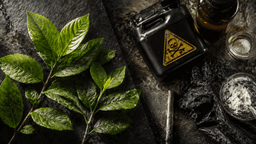
What Is Cocaine Made Of? Cocaine Ingredients
One of the most common questions online is, “what is cocaine made of?” At its core, cocaine originates from compounds naturally present within coca leaves. However, the cocaine sold illegally is rarely a pure substance.
Coca Leaves
The starting point for cocaine is the coca leaf. Leaves contain naturally occurring chemicals that are the raw material for cocaine.
The natural plant does have a long cultural history in some areas but the highly concentrated drug sold on the street is very different from the coca leaves themselves.
Adulterants and Cutting Agents
Street cocaine is frequently mixed with other substances before being sold.
These additives may be used to increase profits, change appearance, or change the perceived effects of the drug. Because illegal drug markets operate without regulation or quality control, users rarely know exactly what a substance contains. This unpredictability is one reason cocaine use can be particularly dangerous.
Why Purity Matters
Many people assume that cocaine is a consistent product. The truth is purity is everywhere.
Street products can contain other drugs or unknown substances. Changes like this increase the risk of toxic reactions, overdose, cardiovascular problems and other serious health consequences.
How Is Cocaine Produced? An Overview of the Cocaine Making Process
Many people searching “how is cocaine produced” or “cocaine making process” are looking for an explanation of how coca leaves become a concentrated drug.
For safety reasons, detailed production instructions are not appropriate to provide. However, it is useful to understand the process at a general level.
Coca Cultivation
The process begins with coca cultivation. Farmers cultivate coca plants in regions of appropriate climate and ecology for healthy growth of coca plants. The leaves are picked when mature and are the raw material for the illegal manufacture of cocaine.
Extraction and Processing
After harvesting, coca leaves undergo multiple stages of illegal processing designed to concentrate naturally occurring compounds found within the plant. The result is a very concentrated stimulant substance that is very different from the original leaf.
Distribution Networks
Once produced, cocaine enters international trafficking networks. These organizations transport cocaine across borders and distribute it through increasingly smaller networks until it reaches local communities and individual users. Cocaine trafficking remains a key driver of organized crime, violence, corruption and public health challenges around the world, international drug monitoring agencies say.

How Is Crack Cocaine Made?
People frequently ask about the difference between crack cocaine and powder cocaine. Cocaine and crack cocaine both come from cocaine , but crack cocaine is a different form of the drug , with different patterns of use .
Crack cocaine usually produces more rapid effects, but of shorter duration. Because of these characteristics, crack cocaine is usually associated with greater potential for compulsive use and addiction. Individuals interested in learning more can explore the House of Life article on the difference between crack and cocaine for a more detailed comparison.
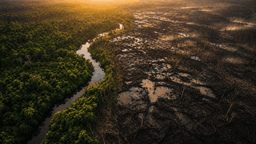
Why Is Cocaine Production Dangerous?
The dangers associated with cocaine begin long before someone uses the drug.
Environmental Harm
Illegal cocaine production has been linked to significant environmental damage. In some places forests are cleared to make room for coca. Illegal production activities can also contribute to soil degradation and pollution. Environmental organizations and international agencies have repeatedly pointed out the ecological impact of the illegal cocaine industry.
Violence and Crime
Cocaine trafficking is frequently connected to organized criminal activity. Drug trafficking organizations compete for territory, for resources and distribution routes. This competition can contribute to violence, corruption and instability in communities affected by drug trafficking.
Health Risks for Workers
Individuals involved in illegal cocaine production often face dangerous working conditions and exposure to hazardous environments. The risks are not only to the users but to the entire communities involved or affected by the production and trafficking activities.”
Risks for Users
The dangers continue once cocaine reaches consumers.
Cocaine use is associated with a range of serious health risks, including:
- Heart attack
- Stroke
- High blood pressure
- Anxiety and panic attacks
- Depression
- Addiction
- Overdose
- Sleep disturbances
- Impaired judgment
Because cocaine is a stimulant, it places significant stress on the cardiovascular system. Even occasional use can lead to severe medical complications in some individuals.
Interesting Facts About Cocaine
Many people searching for “interesting facts about cocaine” are surprised by some of the realities surrounding the drug. Cocaine originates from the coca plant, not from a laboratory-created plant source.
Cocaine is known by many street nicknames, and understanding the various slang names of cocaine can help parents, educators, and families recognize conversations related to drug use.
Cocaine is not considered entirely man-made because it originates from a natural plant, although extensive illegal processing is involved before it becomes the drug sold on the street. One of the most commonly used terms in drug culture is an 8 ball of cocaine, which refers to a specific quantity often discussed in illegal drug markets.
Cocaine remains one of the most widely trafficked illicit stimulants globally.
Cocaine bought on the street is frequently cut with other substances unknown to the user. Cocaine interferes with brain pathways that are involved in feelings of reward and reinforcement. Long-term cocaine use can affect physical health, mental health, relationships, finances, and quality of life.

Getting Help for Cocaine Use Disorder at The House of Life
For some individuals, beginning with a medically supervised cocaine detox program may be appropriate. Detox can help individuals safely start the recovery process while managing withdrawal symptoms and cravings.
Rehabilitation is possible but professional help is often useful. Some people may benefit from starting out with a medical cocaine detox program. Detox can allow individuals to safely begin the recovery process while managing withdrawal symptoms and cravings .
Following detox, cocaine addiction treatment can help you to get to the bottom of the emotional, behavioral and psychological causes of substance use.
Residential treatment is a structured program in a supportive environment that allows you to focus on your recovery without the distractions and triggers of everyday life.
Our Luxury rehab in Los Angeles provides the best evidence-based care, professional support and comfortable environment to recover if you want privacy and personal attention. Recovery is often so much more than just not using drugs. It can include learning to cope better, getting help for mental health issues, repairing relationships and having a plan for long term sobriety.

How Is Cocaine Made? FAQ
What Plant Is Cocaine Made From?
How Is Cocaine Grown?
Do Chocolate And Cocaine Come From The Same Plant?
Is It Legal To Grow Coca In The USA?
Sources
National Institute on Drug Abuse (NIDA) – Cocaine DrugFacts
https://nida.nih.gov/research-topics/cocaine
Drug Enforcement Administration (DEA) Museum – Coca Plant Information
https://museum.dea.gov/exhibits/online-exhibits/cannabis-coca-and-poppy-natures-addictive-plants/coca
European Union Drugs Agency (EUDA) – Cocaine Drug Profile
https://www.euda.europa.eu/publications/drug-profiles/cocaine_en
United Nations Office on Drugs and Crime (UNODC) World Drug Report
https://www.unodc.org/unodc/en/data-and-analysis/world-drug-report-2025.html
National Center for Biotechnology Information (NCBI) – Understanding How Plants Produce Cocaine
https://pmc.ncbi.nlm.nih.gov/articles/PMC6139028/
U.S. Department of Justice / NCJRS – Cocaine Production and Trafficking Reference
https://www.ojp.gov/pdffiles1/Digitization/132907NCJRS.pdf
Centers for Disease Control and Prevention (CDC) – Stimulant Overdose Information
https://www.cdc.gov/overdose-prevention/about/stimulant-overdose.html
MedlinePlus – Cocaine
https://medlineplus.gov/druginfo/natural/1037.html
Substance Abuse and Mental Health Services Administration (SAMHSA)
https://www.samhsa.gov/substance-use
Encyclopaedia Britannica – Coca Plant
https://www.britannica.com/plant/coca-plant