This case wasn’t an outlier. Over the past decade, fish scale cocaine, a highly refined, ultra-potent form of cocaine, has become increasingly common in emergency rooms and addiction clinics. Unlike the diluted street cocaine many providers are familiar with, this variant is often 90% pure or higher, making it far more dangerous.
The problem isn’t just the drug itself, it’s the misconceptions surrounding it. Patients assume that because it’s “pure,” it’s somehow safer. Dealers market it as a premium product. And because it doesn’t look like the typical white powder, even experienced users underestimate its potency.
This article breaks down what medical professionals need to know: how fish scale cocaine differs from traditional cocaine, why its high purity makes it uniquely hazardous, and how to adjust treatment approaches for patients who use it.
Why Is Knowing Slang Terms for Drugs Important?
At The House of Life, we’ve learned that patients rarely walk in and say, “I use high-purity cocaine.” Instead, they might mention fish scale slang, like “fish scale, fish scale blow, or even just scales. If we don’t recognize these terms, we miss critical opportunities for intervention.
We’ve seen cases where a patient’s mention of fish scale was overlooked as street jargon, until they returned with a stroke or myocardial infarction. In one instance, a young woman described her drug of choice as “the shiny stuff” during intake. Because the provider wasn’t familiar with the term, they didn’t probe further. A week later, she was back with severe hypertension and paranoia.
For us, understanding these terms isn’t about slang, it’s about better history-taking, more accurate risk assessment, and earlier intervention.
What Is Fish Scale Cocaine?
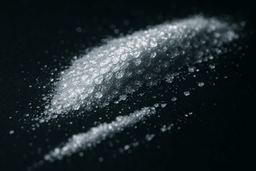
Now let’s understand the fish scale meaning. Fish scale cocaine isn’t just stronger cocaine, it’s a fundamentally different product. While standard cocaine is typically cut with fillers (anything from baking soda to fentanyl), fish scale is minimally adulterated, often testing at 90% purity or higher. Its name comes from its appearance: thin, crystalline flakes that resemble fish scales.
This purity changes everything:
- Pharmacokinetics: Faster absorption, higher peak plasma levels.
- Pharmacodynamics: More intense sympathetic nervous system stimulation.
- Clinical Effects: Greater risk of hypertensive crises, arrhythmias, and neurotoxicity, even in users with prior cocaine experience.
Differences Between Regular Cocaine and Fish Scale Coke
| Feature | Standard Cocaine | Fish Scale Cocaine |
| Purity | 30-60% | 90% + |
| Onset of Effects | 5-10 minutes | 1-3 minutes |
| Overdose Risk | Moderate | Extreme |
| Street Price | $50-$100/gram | $100-$200+/gram |

Why Is Fish Scale Cocaine So Dangerous?
Fish scale cocaine carries far greater risks than standard cocaine. Its high purity and intense effects create unique hazards for users. Here’s what makes it particularly concerning:
1. Overdoses happen faster, and are harder to anticipate
With standard cocaine, users develop a tolerance to the adulterants as much as the drug itself. Fish scale removes that buffer. A line that would normally produce a mild high can now cause:
- Seizures (from rapid dopamine surge)
- Acute coronary syndromes (due to unopposed vasoconstriction)
- Hyperthermia (from excessive sympathetic activation)
Case Example from Our ER: A 40-year-old man with no prior cardiac history presented with chest pain after using fish scale for the first time. His troponin levels were elevated, and angiography revealed a cocaine-induced vasospasm, something we usually see in chronic, heavy users, not first-timers.
2. Addiction Develops Faster
The intense, immediate high of the fish scale leads to rapid neuroadaptation. Patients describe cravings within hours of use, and withdrawal symptoms (depression, fatigue, irritability) are more severe.
3. Traditional Harm Reduction Strategies Fail
- Test kits (for fentanyl or levamisole) are useless, there’s nothing to detect.
- Dose moderation is nearly impossible, users can’t “eyeball” a safe amount.
- Naloxone won’t help, this isn’t an opioid overdose.
4. Psychiatric Complications Are More Common
The high purity increases the risk of:
- Stimulant-induced psychosis (paranoia, hallucinations)
- Mood disorders (severe depression during crash phases)
- Cognitive impairment (memory, attention deficits with chronic use)
How Much Does Pure Cocaine Cost?
At our clinic, we’ve noted that fish scale sells for $100-$200 per gram, roughly double the price of standard cocaine. The cost doesn’t deter use; if anything, it adds to the allure, with users perceiving it as a “cleaner” or “safer” product.
Clinical Implication: Patients spending more on cocaine may be using fish scale without realizing it. We now ask:
- “What does your cocaine look like?” (Flaky? Shiny?)
- “How much do you usually pay?” ($100+ per gram suggests high purity.)


How is The Fish Scale Drug Made?
Unlike traditional cocaine, which is cut repeatedly as it changes hands, fish scale is produced through advanced purification, often using solvents like acetone or ether. This process:
- Removes most adulterants
- Concentrates the cocaine hydrochloride
- Results in a product that looks deceptively harmless (like rock candy or Epsom salt)
Why This Matters:
- No “warning signs” (e.g., unusual smell, color) to alert users.
- Batch variability—some samples may still contain residual solvents, adding another layer of toxicity.
Adjusting Treatment for Fish Scale Users
1. Emergency Management
Based on our experience, we recommend the following addiction treatment methods:
- Benzodiazepines for agitation/seizures (but avoid excessive sedation—risk of aspiration).
- Nitroglycerin or phentolamine for hypertension (beta-blockers are contraindicated—they can worsen coronary vasospasm).
- Cooling measures for hyperthermia (IV fluids, cooling blankets).
2. Long-Term Addiction Treatment
We’ve found that patients using fish scale often need:
- Longer detox periods—the crash is more severe.
- CBT + Contingency Management (reward-based therapy) shows the best results.
- Consider n-acetylcysteine (emerging evidence for reducing cravings).
Real-World Insight: At our facility, patients using fish scale often require more intensive outpatient follow-up due to higher relapse rates.
Final Thoughts
Fish scale cocaine represents more than a passing drug trend; it signals a significant public health shift that demands a re-evaluation of treatment practices. Because it carries greater risk for users, it calls for a different therapeutic approach. For healthcare professionals, that means proactively asking about terms like “fish scale,” “scales,” or “shiny coke” while gathering a patient’s drug use history.
Even when a patient has used cocaine before, it’s important to anticipate a higher level of risk, since a tolerance built on lower-purity versions offers little protection against the potency of fish scale. Patient education is essential, as many people mistakenly equate “purity” with “safety,” leading to a dangerous overestimation of what the drug can do to the body.
For this reason, treatment measures such as detoxification regimens and relapse prevention strategies must be more robust and tailored to fish scale’s stronger effects on both body and mind. The construction worker we treated survived his encounter with fish scale, but not without irreversible heart damage; the next patient may not be so fortunate. Early detection and a prepared clinical team are the first critical steps in preventing such tragic outcomes.
At The House of Life, a luxury rehab in Los Angeles, CA, we provide compassionate, evidence-based care built around the realities of today’s high-potency substances. If you or someone you love is struggling, our specialized cocaine addiction treatment in Los Angeles is designed to meet these heightened risks with the intensive, individualized support that recovery requires. Ready to take the first step toward recovery from cocaine addiction? Call us 24/7 at +1-805-888-8000 or submit our online contact form to speak with our team.
FAQ: What Clinicians Ask About Fish Scale Cocaine
What does "fish scale" mean in rap or street culture?
Do fish actually react to cocaine?
What breaks down cocaine in the body?
Is there a way to test for fish scale specifically?
Reference
NIDA. 2024, September 27. Cocaine . Retrieved from https://nida.nih.gov/research-topics/cocaine on 2025, November 13
Solomon, N., & Hayes, J. (2017). Levamisole: A High Performance Cutting Agent. Academic forensic pathology, 7(3), 469–476. https://doi.org/10.23907/2017.039
United Nations Office on Drugs and Crime. (2004). World Drug Report 2004: Chapter 5: Coca and Cocaine. Retrieved from https://www.unodc.org/pdf/WDR_2004/Chap5_coca.pdf