
Table of Contents
- Can You Overdose on Cocaine?
- What Causes a Cocaine Overdose?
- How Much Cocaine Does It Take to Overdose?
- Cocaine Overdose Symptoms
- What Does a Cocaine Overdose Feel Like?
- Cocaine Overdose vs. Cocaine Toxicity
- What to Do If Someone Is Overdosing on Cocaine?
- How Long Does a Cocaine Overdose Last?
- Can You Die From a Cocaine Overdose?
- Cocaine Addiction Treatment in Los Angeles, CA
Cocaine has a reputation as the “safer” party drug, at least compared to opioids. That reputation is badly outdated at this point. Cocaine overdose is real, common, and often fatal, and today’s supply is more unpredictable than it’s ever been.
This guide covers what actually causes a cocaine overdose, what the symptoms look like as they build, and what to do if you or someone you’re with is in danger.
Can You Overdose on Cocaine?
Yes. Absolutely. Cocaine overdose has been rising for years now, and it isn’t some rare, freak event anymore. So can you OD on cocaine from a single use, even the very first time? Unfortunately, yes. According to the National Institute on Drug Abuse, cocaine-involved overdose deaths in the US rose 85% between 2019 and 2023, reaching 29,449 deaths in 2023 alone, driven largely by illicitly manufactured fentanyl contaminating the cocaine supply (National Institute on Drug Abuse, 2024). Can u overdose on cocaine even without any opioids mixed in at all? Yes, that too. Cocaine on its own, at a high enough dose or in someone more vulnerable, can be lethal purely through its effects on the heart and brain.
What Causes a Cocaine Overdose?
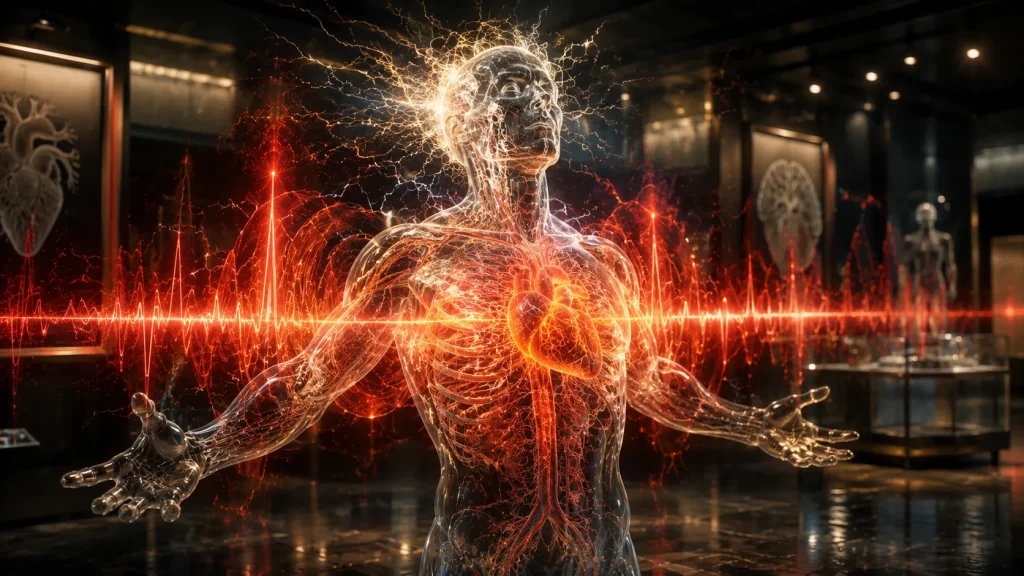
Cocaine works by blocking the reuptake of dopamine, norepinephrine, and serotonin, which floods the brain and body with all three at once. That flood is what produces the stimulant high. It’s also what drives heart rate, blood pressure, and body temperature up. If you’ve come across unfamiliar street names while trying to figure out what a loved one has actually taken, our page on slang for cocaine can help translate. A clinical review published through the National Center for Biotechnology Information found that cocaine’s most lethal effects hit the cardiovascular system specifically, triggering dangerous arrhythmias, coronary artery spasm, and in some cases heart attack or stroke, even in otherwise healthy young people (Richards & Le, 2023).

How Much Cocaine Does It Take to Overdose?
Honestly, there’s no reliable answer here, and that’s actually the important safety message. There’s no established lethal dose of cocaine that applies across the board. Overdose depends on body size, tolerance, whether it was snorted, smoked, or injected, and critically, on what else happens to be in the supply that day. A first-time user can overdose on an amount that wouldn’t touch a regular user, and a tiny amount contaminated with fentanyl can be lethal no matter how much tolerance someone thinks they’ve built up.
Factors That Increase Cocaine Overdose Risk
A few things stack the odds badly against a safe outcome. Combining cocaine with alcohol produces a toxic byproduct called cocaethylene and raises cardiovascular strain considerably. Using cocaine alongside other stimulants or opioids compounds the danger. Pre-existing heart conditions, even ones nobody’s diagnosed yet, raise risk quietly in the background. So does higher purity or an unexpectedly potent batch, and so does repeated redosing over a short binge, which lets cocaine build up in the system faster than the body can clear it out.
Cocaine Overdose Symptoms
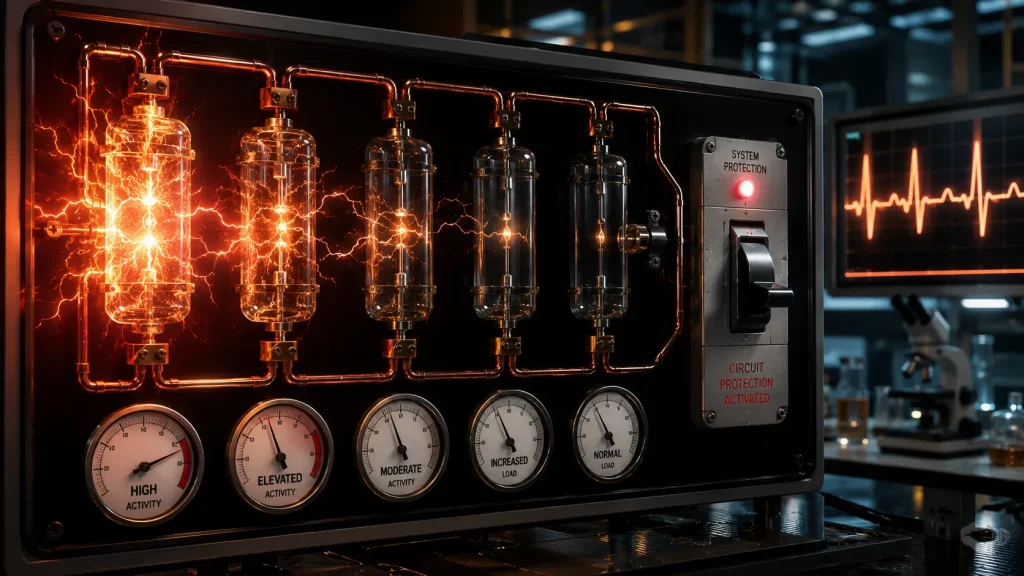
Cocaine overdose symptoms tend to build in stages rather than hit all at once. Clinicians describe three progressive stages of acute cocaine toxicity, and knowing roughly where someone sits in that progression actually matters for what happens next (Richards & Le, 2023).
Early Signs of Cocaine Intoxication
Early on, signs of cocaine intoxication include a racing heart, high blood pressure, agitation, paranoia, sweating, dilated pupils, and a rising body temperature. This stage can look a lot like a bad high rather than a medical emergency, which is exactly why it so often gets missed or brushed off.
Worsening Symptoms
As toxicity increases, the signs of cocaine overdose become harder to ignore as something else: seizures, severe confusion, chest pain, difficulty breathing, and body temperatures that can reach 109°F in the most severe cases (Richards & Le, 2023).
Life-Threatening Symptoms
At the most severe stage, someone may lose consciousness, stop breathing normally, or go into cardiac arrest. This is a medical emergency, full stop, and it needs immediate intervention.

What Does a Cocaine Overdose Feel Like?
Typically described as a racing, pounding heartbeat, crushing chest pressure, impending doom, extreme anxiety or panic, and body heat that burns up from the inside out. Some people also suffer from what’s called excited delirium. This is extreme agitation, incoherence and unusual physical strength, which in itself is associated with a high risk of sudden death (Richards & Le, 2023).
Cocaine Overdose vs. Cocaine Toxicity
What is cocaine toxicity, exactly, and how does it differ from an overdose? Honestly, the terms overlap a lot. Cocaine toxicity is the broader clinical term for the harmful effects cocaine has on the body, whether or not someone technically took an “overdose” amount. A cocaine overdose is what happens when that toxicity gets severe enough to become life-threatening. In practice, doctors treat both the same way, since there’s rarely a clean line between a bad reaction and a genuinely dangerous one until the symptoms make it obvious.
What to Do If Someone Is Overdosing on Cocaine?
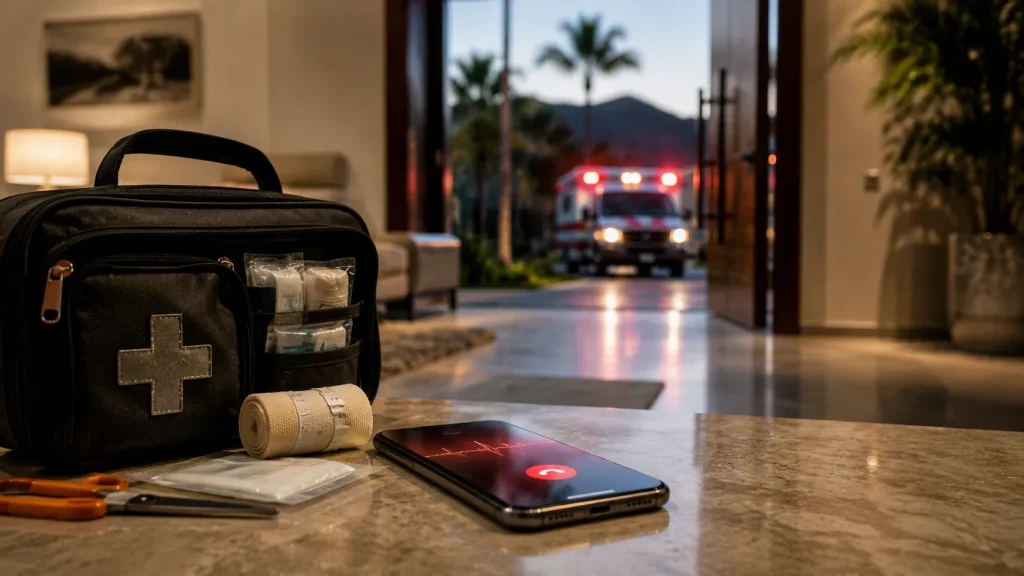
Call 911 immediately. Don’t wait around to see if symptoms pass on their own, because sometimes they don’t. While you’re waiting for help, keep the person calm and as cool as you can manage, loosen any tight clothing, and if they’re conscious, keep them sitting up rather than lying flat. If they lose consciousness, place them on their side and keep an eye on their breathing. Don’t leave them alone, and don’t give them anything to eat or drink.
In a hospital, cocaine overdose treatment usually involves giving benzodiazepines to calm down the nervous system and control seizures, cooling measures, and cardiac monitoring. Indeed, benzodiazepine sedation is considered first-line treatment for agitation and cardiovascular symptoms associated with cocaine (Richards & Le, 2023). Once the acute crisis passes, medically supervised treatment often needs to continue into a proper program of cocaine detox in Los Angeles, since stopping cocaine use safely after heavy or repeated use tends to go a lot better with clinical support than alone.

How Long Does a Cocaine Overdose Last?
Cocaine has a short half-life, roughly an hour, so the acute effects can pass relatively fast compared to some other drugs. That doesn’t mean the danger passes just as fast, though. Severe overdose may cause cardiac complications, seizures and damage to organs that can result in permanent injury or death in the first few hours. Injuries such as kidney injury or damage to the heart can take a lot longer to resolve, if they resolve at all.

Can You Die From a Cocaine Overdose?
Sure. Cocaine toxicity is associated with a very real risk of death, most commonly from cardiac arrest, stroke, seizures causing respiratory failure, or severe hyperthermia (Richards & Le, 2023). Locally, cocaine has been a regular part of the overdose picture in Los Angeles County. According to the County Department of Public Health, cocaine is responsible for approximately 17% of accidental drug overdose deaths in recent years. That has remained fairly constant, even as the figures for fentanyl and methamphetamine have moved around it (Los Angeles County Department of Public Health, 2025).

Cocaine Addiction Treatment in Los Angeles, CA
If cocaine use has turned into a pattern rather than a one-time risk, that’s worth addressing before it becomes the next emergency. At The House of Life, our program for cocaine addiction treatment in Los Angeles is built around real clinical care rather than judgment, for anyone ready to deal with the pattern before it turns into something worse.
As a luxury rehab in Los Angeles, we pair that clinical work with the privacy, comfort, and individualized attention that make it easier to stay long enough for treatment to work.
Ready to take the first step towards cocaine addiction recovery? Call us 24/7 at +1-805-888-8000 or submit our online contact form to speak confidentially with our team. One conversation is all it takes to find out what your options look like.
References
Los Angeles County Department of Public Health, Substance Abuse Prevention and Control. (2025, September). Report on drug overdoses in Los Angeles County. Retrieved July 27, 2026, from http://publichealth.lacounty.gov/sapc/MDU/SpecialReport/Report-on-Drug-Overdoses-in-Los-Angeles-County.pdf
National Institute on Drug Abuse. (2024, August 21). Drug overdose deaths: Facts and figures. Retrieved July 27, 2026, from https://nida.nih.gov/research-topics/trends-statistics/overdose-death-rates
Richards, J. R., & Le, J. K. (2023, June 8). Cocaine toxicity. StatPearls. Retrieved July 27, 2026, from https://www.ncbi.nlm.nih.gov/books/NBK430976/