


Heroin is a highly addictive opioid that poses significant dangers to individuals and communities. Recognizing the signs of heroin use is crucial for intervention and seeking help.
This thorough article will give a full guide to detecting heroin based on its look, what does heroin smell like, and taste, along with other critical warning signs of addiction and pathways to treatment.

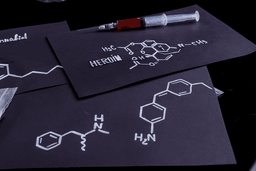
Types of Heroin and Their Appearance
Heroin comes in several distinct forms, each with unique visual characteristics. Understanding these differences is essential for accurate identification and can significantly aid in recognizing the presence of the drug.
1. White Powder Heroin (Hydrochloride Salt)
It usually looks like a fine, white powder that is similar to things you could have at home, such baking soda or powdered sugar. People either snort it straight or mix it with water and inject it since it is so pure. It might be hard to recognize when white powder heroin is around since it looks so normal. This is why it’s so important to know how it smells and what else is going on with it.
2. Brown Powder Heroin (Base Heroin)
Brown powder heroin is usually not as pure as white powder heroin. The color may be anything from off-white or beige to a deeper, light brown, or even reddish-brown tint. The texture is normally rougher and more granular, but it may also be clumpy or sticky, depending on how much moisture it has and what other ingredients are added. People usually snort, smoke (often “chasing the dragon” on foil), or inject this kind of heroin when they have it ready. The contaminants frequently make the smell stronger, which might be a good sign.
3. Black Tar Heroin
Black tar heroin is mostly found in the western parts of the United States. It is also perhaps the simplest kind to spot because of its unique features. It has a sticky, thick, and frequently flexible texture, which is what its name suggests. It might be dark brown or a deep, impenetrable black. When it dries or is left out in the open for a long time, it may also harden into a rock-like lump. Black tar heroin is nearly often made for injection, which means that users have to heat it up and dissolve it. This procedure may create a very strong and distinctive smell.
4. Liquid Heroin
Most of the time, this sort is a solution prepared by mixing one of the powders or tars with water. It is commonly used to inject into a vein. Liquid heroin may be clear or brownish, depending on the kind of heroin used, how pure it is, and what else was added to it. You may get it in little bottles, vials, or syringes. It could seem hazy if it isn’t fully dissolved or if there are items in it that shouldn’t be there.
What Does Heroin Smell Like?
The question, “What does heroin smell like?” is one of the most vital for individuals concerned about drug use. The odor of heroin is a significant identifier, though it can be variable.
Heroin, particularly the less refined kinds, usually has a strong chemical or vinegary smell. This is a direct result of how it is made, which is to use acetic anhydride to turn morphine into heroin. Many people, including police and others who have smelled it themselves, say that the smell is quite similar to vinegar.
Factors That Affect Heroin’s Smell
There are a few important things that affect how easy it is to smell heroin and what its scent is like:
- Kind of heroin: Because it is less refined, black tar heroin has a strong, distinct scent of vinegar. The chemical smells of white and brown powder heroin are less strong, and the highest-purity versions have no smell at all.
- Purity and Additives: Heroin with a higher purity has a fragrance that is less strong. Less pure versions or those mixed with other compounds may have stronger, more diverse smells because of these ingredients.
- Preparation Method: When you smoke heroin, particularly black tar (“chasing the dragon”), it produces a strong, sour smell (like burned plastic or chemicals) that fills a room rapidly. The fragrance is less airborne when snorted or injected, although it may still be smelled on the drug, the paraphernalia, or the user.
Environmental Factors That May Mask Heroin Odors
Recognizing the scent of heroin might be difficult because of several environmental and situational variables.
- Other Substances: Powerful smells from other things, such tobacco smoke, marijuana, powerful air fresheners, or even burned food, may successfully cover up or change the scent of heroin. People could employ these odors on purpose to hide anything.
- Ventilation: The scent of heroin may fade fast in well-ventilated areas, making it tougher to find unless you are near to the drug or its source.
- Residual Smells: Despite dissipation in the air, the unique odor of heroin, especially when smoked, can linger for extended periods on clothing, furniture, carpets, and other porous surfaces within an environment where the drug has been used. This lingering scent can be a critical sign.
- User Hygiene: Users may try to hide the fragrance on their body or breath by using too much perfume, mouthwash, or bathing a lot.
Other Physical Signs to Look For
Aside the distinct appearance and heroin smell of the drug, there are other physical signs that might show that someone is using heroin:
- Burn Marks: If the person is smoking heroin with a lighter, they may have little burn marks on their fingers, lips, or around their mouth.
- Sooty Residue: Black, sooty, or burned residue from heating and smoking black tar heroin may be left behind on surfaces like tables, worktops, or tin foil.
- Packaging: Look for little, suspicious bags, balloons, or folded paper squares (called “bindles”) that are used to package small amounts of heroin.
- Injection Paraphernalia: If you find syringes, hypodermic needles, burned spoons (used to “cook” or dissolve heroin), cotton balls (used to filter the solution), or shoelaces or belts (used as tourniquets), it’s a good sign that someone is using heroin intravenously.
- Smoking/Snorting Paraphernalia: Small pieces of aluminum foil with charred trails, glass pipes (frequently with residue), rolled-up banknotes, or cut-off straws (used for snorting) might also suggest usage.
What Does Heroin Taste Like?
It is very hazardous to directly taste heroin, and you should never try it. However, it is crucial to know how addicts describe its flavor, particularly if someone accidentally comes into touch with it. People who use heroin say that it always tastes incredibly harsh, chemical, and frequently bad.
Black tar heroin, especially, has a very harsh, acidic, and bitter taste that is similar to its vinegary scent. People who snort or inject this drug typically combine it with other drugs or chase the smoking with a drink to attempt to hide the bad taste.
Other Warning Signs That Someone Is Using Heroin
Identifying heroin use involves observing significant behavioral, psychological, and physiological changes:
Behavioral and Social Changes:
- Increased secrecy, withdrawal from loved ones, and spending more time alone.
- Loss of interest in hobbies, work, or school.
- Neglect of personal hygiene and appearance.
- Unexplained financial problems or missing valuables.
- Frequent lying or evasiveness.
- Decline in work or school performance.
- Increased legal issues.
Physical and Physiological Symptoms:
- Pinpoint pupils.
- Extreme drowsiness, “nodding off,” and lethargy.
- Slurred speech.
- Unexplained weight loss.
- “Track marks” (scars, scabs, or infections) from injections, often on arms.
- Persistent itching or skin picking.
- Constipation.
Withdrawal Symptoms (When Not Using):
Intense cravings, severe muscle and bone pain, restlessness, insomnia, sweating, diarrhea, vomiting, stomach cramps, and “cold flashes” (“cold turkey”). These symptoms are often so severe that users continue to use them to avoid them.
Heroin Addiction Treatment at The House of Life
You or someone you care about needs to receive professional help right away if you are addicted to heroin. Heroin addiction is a very bad medical condition that could potentially harm you, thus it demands complete, loving, and personalized therapy. We at The House of Life know a lot about how complicated opioid addiction is, and we are committed to providing a broad range of evidence-based therapies that will help people stay sober and heal for the long term.
Our well-known programs include:
- Detoxification: A medically supervised heroin detox makes sure that withdrawal symptoms are adequately dealt with and that clients are physically stable enough to begin their recovery.
- Individual and Group Therapy: We provide both one-on-one and group therapy to assist individuals with mental health issues, learn how to cope with their difficulties, and gain support from other people who are going through the same thing.
- People who are addicted may alter the way they think and behave with the aid of behavioral treatments like CBT and DBT.
- Holistic approaches: We use a variety of methods, such as mindfulness, meditation, and exercise, to enhance our overall health.
- Aftercare planning. Each individual requires a different program that involves ongoing care, ways to avoid relapse, and ways to go back into a healthy lifestyle, such sober living and support groups.
We are dedicated to finding the underlying reasons for addiction, teaching clients critical life skills, and providing them the tools and tactics they need to remain clean and live a better, more satisfying life without heroin.
Recognizing the smell and sight of heroin, as well as other critical warning signs, are essential first steps in recognizing a probable problem. But identifying is just the first step. The second stage, and the most important one, is to actively look for and take part in professional treatment.
Reference
National Institute on Drug Abuse. (n.d.). Heroin. Retrieved from https://nida.nih.gov/research-topics/heroin
“Heroin”. Drugs.com. 18 May 2014. Archived from the original on 19 October 2016.
Ciccarone D. (2009). Heroin in brown, black and white: structural factors and medical consequences in the US heroin market. The International journal on drug policy, 20(3), 277–282. https://doi.org/10.1016/j.drugpo.2008.08.003


