
Table of Contents
- What Does “Nodding Off” Mean?
- Drugs That Cause Nodding Out
- What Does Nodding Off on Heroin or Opioids Look Like?
- Is Nodding Off a Sign of an Opioid Overdose?
- What Are the Dangers of Nodding Off on Heroin or Opioids?
- What to Do If Someone Is Nodding Off on Drugs
- Why Does Nodding Off Keep Happening?
- Treatment for Heroin and Opioid Addiction in Los Angeles, CA
Someone who repeatedly closes their eyes, lets their head fall forward, briefly wakes, and then slips back into heavy sedation may look like they are simply nodding off to sleep. When heroin, fentanyl, or another opioid is involved, however, this behavior can be much more dangerous than ordinary drowsiness.
“Nodding out” is a common term for episodes of pronounced opioid sedation. A person may drift in and out of consciousness, respond slowly, slur their speech, or appear unable to stay awake. Because opioids can also suppress the brain’s drive to breathe, nodding off can sometimes be difficult to distinguish from the early stages of an opioid overdose.
That distinction matters. If a person cannot be awakened, is breathing slowly or irregularly, makes choking or gurgling sounds, or develops blue or gray lips or fingertips, the situation should be treated as a possible overdose. CDC guidance recommends giving naloxone when available and calling 911 rather than waiting to see whether the person “sleeps it off.”

What Does “Nodding Off” Mean?
In everyday language, nodding off simply means unintentionally beginning to fall asleep. Severe sleep deprivation, for example, can cause brief episodes of sleep known as microsleeps.
The nodding out meaning is different when the phrase is used in connection with opioids. In this context, it generally describes heavy sedation in which someone repeatedly drifts between wakefulness and reduced consciousness after taking an opioid. The person may appear awake one moment, then drop their head, close their eyes, lose awareness of their surroundings, and briefly wake again when spoken to or touched.
So, what does nodding off mean when heroin or fentanyl is involved? It can mean that the central nervous system is being strongly depressed by an opioid. The same pharmacologic effect that produces sedation can also slow breathing, which is why an apparent “nod” should never automatically be assumed to be harmless sleep.
A heroin nod or fentanyl nod is not a medical diagnosis. They are informal descriptions of opioid-induced sedation, and there is no reliable visual boundary between “just high” and an overdose that is becoming life-threatening.

Drugs That Cause Nodding Out
People searching what drugs make you nod off are often referring to opioids, particularly heroin and illicit fentanyl.
Opioids capable of causing marked sedation include heroin, fentanyl, oxycodone, hydrocodone, morphine, methadone, and other opioid medications. The risk depends on the specific drug, dose, tolerance, other substances taken, and individual health factors.
Fentanyl is particularly concerning because illicitly manufactured fentanyl can be extremely potent and may be present in an unregulated drug supply without the person knowing exactly how much they are taking. Learn more about why fentanyl is so dangerous.
A fentanyl nod may progress rapidly because fentanyl can produce profound respiratory depression. Heroin can cause similar effects, which is why the phrase heroin nod has long been associated with people repeatedly falling in and out of consciousness.
Other central nervous system depressants can also cause severe drowsiness. Alcohol, benzodiazepines, sleep medications, and some muscle relaxants may produce sedation on their own and can be especially dangerous when combined with opioids. CDC guidance warns that mixing opioids with substances that cause drowsiness, particularly alcohol and benzodiazepines, raises overdose risk.
People sometimes search what drug makes you fall asleep standing up after seeing someone repeatedly slump or lose consciousness while remaining partially upright. Opioids can produce this appearance, but observation alone cannot identify the drug involved. Severe sleep deprivation, alcohol, sedatives, neurological conditions, and other medical problems can also cause sudden loss of alertness.

What Does Nodding Off on Heroin or Opioids Look Like?
Nodding off after opioid use may include:
- repeatedly closing the eyes;
- the head dropping forward;
- unusually slow responses;
- slurred or quiet speech;
- difficulty following a conversation;
- appearing to briefly fall asleep and wake again;
- poor coordination;
- a limp or unusually relaxed posture;
- very small, “pinpoint” pupils.
Someone may initially respond when their name is called or when they are touched, then quickly fall back into sedation. The concern increases when nodding off is accompanied by abnormal breathing. CDC and SAMHSA identify inability to wake, very slow or shallow breathing, choking or gurgling sounds, a limp body, discoloration of the lips or nails, and pinpoint pupils as important signs of opioid overdose.

Is Nodding Off a Sign of an Opioid Overdose?
It can be. Not every person who experiences opioid-related sedation is necessarily experiencing a fatal overdose. The problem is that a bystander cannot reliably determine when heavy sedation is about to progress to dangerous respiratory depression. During an opioid overdose, breathing can become increasingly slow, irregular, or stop altogether. Reduced oxygen can injure the brain and other organs and can lead to death.
If someone appears to be nodding off to sleep after using an opioid but can be easily awakened, speaks normally, and is breathing normally, the situation may look different from a severe overdose. However, continued observation is important because the person’s condition can worsen.
If they cannot be awakened or breathing is slow, weak, irregular, or absent, treat it as an overdose. CDC specifically advises that when you are unsure whether someone is simply intoxicated or overdosing, it is safer to respond as though it is an overdose.

What Are the Dangers of Nodding Off on Heroin or Opioids?
The greatest danger is respiratory depression. Opioids act on receptors in the brain involved in pain, reward, and breathing. Excess opioid exposure can suppress the body’s normal drive to breathe. CDC notes that opioid overdose deaths occur when too much opioid overwhelms the brain and interrupts this breathing drive. Slow breathing can result in hypoxia, brain injury, coma, or death.
Aspiration and Choking
A heavily sedated person may vomit while their protective airway reflexes are reduced. If vomit enters the airway or lungs, choking or aspiration can occur. This is one reason overdose guidance recommends placing an unconscious but breathing person on their side while waiting for emergency responders.
Falls, Burns, and Other Injuries
Someone drifting in and out of consciousness may fall from a chair, collapse while standing, wander into traffic, drop a lit cigarette, or experience other accidental injuries. This is particularly relevant to searches such as what drug makes you fall asleep standing up: whatever the cause, suddenly losing consciousness while upright creates an immediate injury risk in addition to any drug-related medical danger.
Mixing Drugs Can Make the “Nod” More Dangerous
Combining opioids with other depressants can intensify sedation and respiratory suppression. Alcohol, benzodiazepines such as alprazolam or diazepam, sleep medications, and other sedating drugs can substantially increase risk when used with opioids.
Overdose and Death
The most serious risk is that apparent nodding off may actually represent worsening opioid toxicity. This is especially important with fentanyl, where drug potency and dose may be unpredictable.
Fentanyl deaths decreased in 2024, but the drug was involved in 52% of unintentional alcohol- and drug overdose deaths in Los Angeles County that year. There were 1,263 fentanyl overdose deaths in the county in 2024.
In 2025, total drug-related overdose and poisoning deaths in LA County continued on the downward trajectory, declining another 6% and fentanyl-related deaths down 10% from 2024. The continued burden nevertheless shows why recognizing an opioid overdose remains critical locally.
What to Do If Someone Is Nodding Off on Drugs
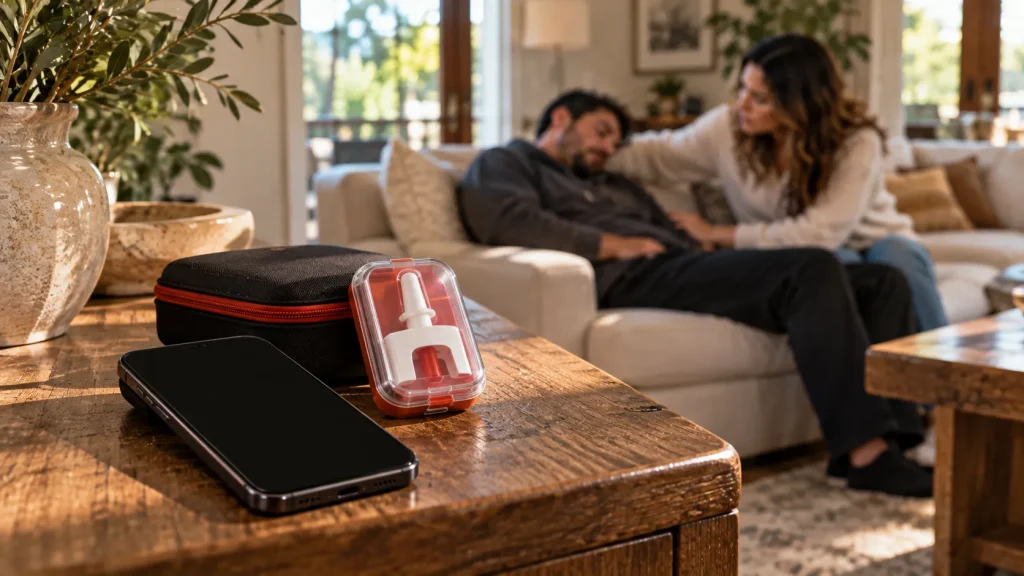
If a person cannot stay awake after suspected opioid use, check whether they respond to voice and touch and pay close attention to their breathing. If they cannot be awakened, are breathing abnormally, or you are uncertain whether they are overdosing:
Give naloxone if it is available and call 911 immediately.
CDC recommends trying to keep the person awake and breathing, placing them on their side to reduce choking risk, and staying with them until emergency help arrives. A second dose of naloxone may sometimes be needed if normal breathing does not return after the first dose.
Naloxone is available over the counter and will not harm someone if opioids are not actually responsible for their symptoms. In California, people who provide good-faith emergency assistance including naloxone administration have legal protections under state law. Do not leave someone alone to “sleep it off” if an overdose is possible.

Why Does Nodding Off Keep Happening?
Repeated episodes of opioid-related nodding can indicate a pattern that needs medical attention.
Tolerance and Opioid Dependence
Repeated use of opioids can lead to tolerance. A person may need progressively larger amounts to experience the same effect, increasing the risk of dangerous sedation and overdose. Tolerance is not the same as opioid use disorder, but repeated uncontrolled use despite harmful consequences can be a sign of OUD.
Unpredictable Fentanyl Exposure
The illicit opioid supply can vary dramatically in potency. A person may expect heroin or another substance but instead receive fentanyl or a drug containing a much higher opioid concentration than expected. This unpredictability can make repeated fentanyl nod episodes especially dangerous. For people who are ready to stop using fentanyl, medically supervised withdrawal management may be an appropriate first step. Learn more about fentanyl detox in Los Angeles.
Mixing Opioids With Other Sedatives
Repeated heavy sedation may also reflect polysubstance use. Mixing opioids with benzodiazepines, alcohol or other sedatives can cause additive effects on consciousness and breathing.
Loss of Tolerance After Abstinence
Overdose risk can increase after a period without opioids. Tolerance falls during abstinence, detoxification, incarceration, hospitalization, or other periods when someone stops using. Returning to a previously tolerated dose can then be dangerous. This is one reason detoxification should not be viewed as the entire treatment for opioid use disorder. People who need medically supervised withdrawal management can learn more about opioid detox in Los Angeles.

Treatment for Heroin and Opioid Addiction in Los Angeles, CA
Repeated nodding off, escalating opioid use, withdrawal, unsuccessful attempts to stop, or continued use despite medical, relationship, or work problems can indicate that professional assessment is needed.
Detox alone is not treatment for opioid use disorder. If opioid use resumes after detox, loss of tolerance can increase overdose risk. Evidence-based treatment for OUD can include medications such as buprenorphine, methadone, or naltrexone, together with behavioral health and other individualized supports. SAMHSA lists all three as FDA-approved medications for opioid use disorder.
For ongoing support, The House of Life offers fentanyl addiction treatment in Los Angeles within a private, high-end treatment environment. Individuals seeking a more discreet and comfortable recovery experience can also learn more about the center’s luxury rehab in Los Angeles. The right level of care depends on factors such as the opioid being used, frequency and dosage, overdose or withdrawal history, co-occurring substance use, physical and mental health needs, and previous treatment experience.
For information about the treatment options available, call The House of Life 24 hours a day at +1-805-888-8000, or complete the online form to speak confidentially with the team.

Nodding Off: FAQs
What Is the Meaning of Nodding Off?
Why Am I Suddenly Nodding Off?
Does Nodding Off Count as Sleep?
What Drug Makes You Fall Asleep Standing Up?
References
- CDC – Preventing Opioid Overdose
www.cdc.gov/overdose-prevention/prevention/ - CDC – Naloxone and Overdose Reversal
www.cdc.gov/overdose-prevention/reversing-overdose/about-naloxone.html - CDC – What to Do If Someone Is Overdosing
www.cdc.gov/stop-overdose/response/index.html - SAMHSA – Treatment Options for Substance Use Disorder
www.samhsa.gov/substance-use/treatment/options - SAMHSA – TIP 63: Medications for Opioid Use Disorder
www.samhsa.gov/resource/ebp/tip-63-medications-opioid-use-disorder - Los Angeles County – Fentanyl Overdoses Report
www.publichealth.lacounty.gov/sapc/MDU/SpecialReport/Fentanyl-Overdoses-in-Los-Angeles-County.pdf - California Department of Public Health – Naloxone
www.cdph.ca.gov/Programs/CCDPHP/sapb/Pages/Naloxone.aspx - MedlinePlus – Narcolepsy
www.medlineplus.gov/ency/article/000802.htm