Table of Contents
Most people cracking open a beer on a Friday evening aren’t thinking about pharmacology. But the question is alcohol considered a drug comes up more often than expected—especially among those quietly starting to worry about how much they drink.
Alcohol is one of the oldest psychoactive substances on earth. It’s sold at grocery stores, served at weddings, and advertised during the Super Bowl. It also alters brain function, triggers physical dependence, and causes tens of thousands of deaths annually. That gap between perception and reality is why this conversation matters.

What Is a Drug?
At its most basic, a drug is any chemical substance that changes how the body or brain functions. The World Health Organization defines it as any substance which, when introduced to a living organism, may modify one or more of its functions. Under that broad scientific standard, is alcohol considered a drug? Scientifically, the answer is unequivocally yes.
Drugs are categorized by how they affect the central nervous system (CNS)—depressants, stimulants, hallucinogens, and opioids. Alcohol produces measurable, reproducible changes in brain chemistry, altering neuron communication, mood, and behavior. So when someone asks if alcohol is a drug true or false, the scientifically correct answer is true. That is the functional definition of a psychoactive substance.
What Is Alcohol Classified As?
The legal and scientific answers to this are surprisingly different. The alcohol drug classification as a CNS depressant is backed by decades of neurobiological research. But legally, under the U.S. Controlled Substances Act, alcohol is not a controlled substance. It is explicitly excluded from federal drug scheduling and regulated under the Federal Alcohol Administration Act, not the DEA. It sits in its own legal category, separate from Schedule I through V substances like heroin and benzodiazepines.
Scientifically, however, what is alcohol classified as is unambiguous: a central nervous system depressant with significant addiction potential. While the legal system treats it differently, pharmacologists place it squarely alongside other sedatives.

Why Is Alcohol Considered a Drug?
To understand why alcohol is considered a drug, we have to look at its specific effects on the brain and body. That leads directly to why alcohol is considered a drug in every medical textbook. Alcohol meets every scientific criterion for being a drug, and three specific mechanisms make this clear.
It Alters Brain Chemistry Directly
Is alcohol psychoactive? Undeniably—it alters mood, perception, and behavior within minutes. Ethanol enhances GABA (the brain’s main inhibitory neurotransmitter) while suppressing glutamate (the primary excitatory one). This produces sedation, reduces anxiety, slows cognitive processing, and impairs memory. Even a single drink measurably alters brain function. Research from the National Institutes of Health confirms alcohol depresses CNS activity in a manner similar to anesthetics.
It Causes Tolerance and Physical Dependence
Whether alcohol is a substance that creates physical dependence is beyond debate. Long-term use causes the brain to adapt, leading to tolerance—needing more to feel the same effect. Stop drinking abruptly after heavy use, and glutamate excitation goes unchecked, triggering withdrawal symptoms: tremors, anxiety, seizures, and even hallucinations. Alcohol withdrawal is one of the only substance withdrawals that can be directly fatal, alongside benzodiazepine withdrawal.
It Activates the Brain’s Reward System
Partly chemistry, partly genetics, and partly the way the two interact over time. Alcohol triggers a dopamine release in the nucleus accumbens, the brain’s reward center, which creates a learned pull to drink again. That same pathway responds to opioids and cocaine, which gives you a sense of the company alcohol keeps neurologically.
With repeated use, the brain compensates. Dopamine sensitivity drops, GABA receptors recalibrate, and what once produced a pleasant buzz starts to feel like baseline. People keep drinking not because it feels good anymore but because stopping feels worse. That’s tolerance and dependence working together.
Genetics loads the dice significantly. Twin and family studies suggest hereditary factors account for somewhere between 40% and 60% of a person’s vulnerability to alcohol use disorder — which is why two people can drink identically for years and end up in very different places.
Is Alcohol a Depressant, Stimulant, or Narcotic?
To understand what type of drug alcohol is, we first have to clear up a common misconception about stimulation. People often call alcohol a stimulant because the first drink produces energy and loosened inhibitions. That feeling is real, but it is a trick of the pharmacology. Alcohol suppresses inhibitory brain circuits first, releasing behaviors normally held in check. The CNS itself is being depressed, not stimulated.
So what class of drug is alcohol? It belongs firmly in the depressant category. As blood alcohol rises, the depressant effects dominate: slurred speech, impaired coordination, drowsiness, and slowed reflexes. At very high concentrations, it suppresses respiratory drive—the mechanism behind fatal alcohol poisoning.
Despite some functional overlap, alcohol is not a barbiturate, and confusing the two can be medically dangerous. They are chemically distinct compounds, though both enhance GABA activity, which is why combining them is extremely hazardous. Similarly, while loosely referred to as a “narcotic” in some legal contexts, it is not one in the strict pharmacological sense, which refers specifically to opioids.
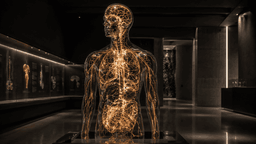
How Alcohol Affects the Body
Alcohol moves through multiple organ systems within minutes.
Short-Term Effects
- Lowered inhibitions and mood shifts.
- Impaired judgment, coordination, and reaction time.
- Memory impairment, including blackouts at high levels.
- Nausea and vomiting—the body’s physiological response to ethanol as a toxin.
- At very high concentrations: respiratory depression and cardiac complications.
Long-Term Health Effects
Chronic heavy drinking is linked to over 200 disease and injury-related conditions. Research has identified alcohol as a direct cause of at least seven cancers, including liver, esophageal, colorectal, and breast cancer. Other consequences include:
- Liver cirrhosis and alcoholic hepatitis.
- Cardiovascular disease: hypertension, cardiomyopathy, and arrhythmias.
- Neurological damage: brain volume loss and cognitive decline.
- Depression and anxiety.
- Nutritional deficiencies, including thiamine deficiency which causes Wernicke-Korsakoff syndrome.
As for which condition is often a result of alcohol addiction, liver disease tops the list, but cardiovascular damage and cancer are equally common and frequently overlooked until they become severe.

Is Alcohol More Dangerous Than Other Drugs?
Here is where the data gets startling. A 2010 study in The Lancet ranked alcohol as the most harmful drug overall—scoring above heroin, crack cocaine, and methamphetamine when factoring in harm to the user and harm to others. Alcohol received a harm score of 72, with heroin (55) and crack (54) in second and third.
According to NIDA, approximately 88,000 Americans die from alcohol-related causes annually. In California, nearly twice as many people die from alcohol-related diseases as from drug overdoses—19,335 compared to 11,000. Roughly 6.3% of Californians (about 2.1 million people) have an alcohol use disorder, and nearly a quarter of California adults binge drink monthly.

Why Alcohol Is Legal Despite Being a Drug
The fact that alcohol is legal while many less harmful substances remain Schedule I is one of the clearest inconsistencies in U.S. drug policy. The explanation is rooted in history and economics, not science. Prohibition created organized crime and underground markets. After repeal in 1933, alcohol became deeply embedded in the economy, culture, and tax base. By the time the Controlled Substances Act passed in 1970, excluding alcohol was a political reality written directly into the law.
California holds the largest alcohol market of any U.S. state, and the industry generates hundreds of billions in annual revenue. That economic weight makes meaningful federal regulation difficult. This doesn’t mean alcohol should be illegal, but it highlights that legal status reflects social history more than pharmacological risk. The fact that alcohol is legal doesn’t change the scientific reality of whether is alcohol considered a drug; it just shows that policy often ignores pharmacology.

Signs of Alcohol Abuse and Addiction
Recognizing when drinking becomes a disorder isn’t always straightforward. Understanding the 4 stages of alcoholism can help clarify where someone is on the spectrum.
Common signs include:
- Drinking more or longer than intended.
- Repeated unsuccessful attempts to cut down.
- Spending excessive time obtaining alcohol, drinking, or recovering.
- Craving alcohol in certain situations or emotional states.
- Continuing to drink despite problems at work, in relationships, or with health.
- Giving up activities that previously mattered.
- Drinking in risky situations (e.g., driving).
- Developing tolerance.
- Experiencing withdrawal symptoms when not drinking.
AUD frequently co-occurs with other substance use. Mixing alcohol with marijuana, being cross faded—adds significant complexity to treatment.
Treatment for Alcohol Addiction in California
Alcohol withdrawal isn’t something to manage alone. Depending on how long and how heavily someone has been drinking, stopping abruptly can trigger seizures, hallucinations, or worse — which is why medically supervised alcohol detox in Los Angeles is usually where treatment begins. Getting through that first phase safely is the foundation everything else builds on.
From there, the picture gets more individual. Some people need residential care. Others step into intensive outpatient programs. What most share is that detox alone rarely holds — the physical piece is only part of what keeps someone drinking. The House of Life, our luxury rehab in Los Angeles, creates enough distance from the daily environment and its triggers to actually do the harder psychological work: understanding what drove the drinking, building different responses to stress, figuring out what comes next.

Is Alcohol Considered a Drug? FAQ
Is Alcohol Classified as a Drug?
Is Alcohol a Drug True or False?
Does Drinking Alcohol Affect Finasteride?
What Is the Difference Between Alcohol and Drugs?
Which Condition Is Often a Result of Alcohol Addiction?
Is Alcohol a Barbiturate?
Reference:
National Institute on Drug Abuse. (n.d.). Principles of drug addiction treatment. U.S. Department of Health and Human Services, National Institutes of Health. https://nida.nih.gov/publications/principles-drug-addiction-treatment
National Institute on Alcohol Abuse and Alcoholism. (n.d.). Fetal alcohol spectrum disorders. U.S. Department of Health and Human Services. https://www.niaaa.nih.gov/research/fetal-alcohol-spectrum-disorders
World Health Organization. (2024, June 28). Alcohol. https://www.who.int/news-room/fact-sheets/detail/alcohol