


It doesn’t always start with something you can see; sometimes it begins with something you can smell. That powerful, chemical smell that comes out of nowhere, like burned plastic, harsh cleanser, or the intense, biting smell of nail paint remover. It might be coming from the flat next door, staying in a parked vehicle, or even sticking to the clothing of someone you care about.
This fragrance isn’t simply strange. It’s a warning sign that you may not see at first, but you can’t forget once you see it. Methamphetamine doesn’t simply smell bad; it has a *presence* that may warn you of danger before you even know what’s going on.
What does meth smell like? Why does meth smell the way it smells? What does the smell of smoked meth smell like compared to the poisonous vapours from a meth lab? And most importantly, what should you do if you see it?
We’ll talk about the many scents that come with meth in this article. We’ll talk about the sweet, burned smell of smoked meth and the harsh, chemical smell of a lab. We’ll also talk about how paying attention to these smells might be the first step in keeping yourself and the people you care about safe. Your nose can be the first line of defence when it comes to meth.


Does Meth Smell?
Yes, meth has a smell, and you won’t mistake it for anything else. Meth smells harsh, chemical, and frequently nauseating, whether it’s being smoked or manufactured in a lab.
When meth is smoked, the smell is usually sweet but burnt, almost like melting plastic or a sharp, acrid chemical odor. It’s not as overpowering as a meth lab, but it’s still noticeable and can cling to clothes, furniture, and even the air for hours after +2.
| Smoked Meth | Meth Lab |
| Smell: Sweet, burnt, or chemical-like (similar to burning plastic) | Smell: Harsh, toxic, and overpowering (like ammonia, cat urine, rotten eggs, or strong cleaning products) |
| Intensity: Lighter, but still noticeable and lingering | Intensity: Extremely strong, often detectable from outside the area |
| Source: The smell comes from heating and inhaling the drug | Source: The smell comes from the toxic chemicals used in the cooking process |
| Duration: Can linger on clothes, furniture, and in the air for hours | Duration: Can persist for days or even weeks, contaminating the environment |
| Danger Level: Harmful to inhale, but less immediately toxic than lab fumes | Danger Level: Highly toxic, flammable, and potentially explosive |
But if you’re near a meth lab, the smell is a whole different story. It’s harsh, toxic, and impossible to ignore, like a mix of ammonia, rotten eggs, or strong cleaning products such as bleach or window cleaner. These smells come from the dangerous chemicals used in the cooking process, and they’re a clear sign that something dangerous is happening nearby.
Why Does Meth Have a Smell?
When it’s pure, methamphetamine doesn’t smell like anything. But here’s the thing: street meth is rarely clean. Meth has a strong, bad scent because of the poisonous chemicals needed to produce it and the waste products that are generated during the process.
When meth is made in a lab, chemicals like ammonia, acetone, hydrochloric acid, lithium, and red phosphorus combine and create vapours that smell like cat pee, rotten eggs, or strong cleaning goods. These smells aren’t simply bad; they’re a clue that something is wrong. The chemicals employed are volatile, which means they quickly transform into gases that fill the air with a strong, sometimes nauseating smell.
When you smoke meth, the heat breaks down these compounds, which creates a scent that is sweet, burned, or chemical-like, almost like burning plastic or a harsh, caustic fragrance. This smell may stick to clothing, furniture, and even the walls of a room. It can last long after the drug is gone.
To put it simply, meth smells bad because it is created with ingredients that are poisonous, reactive, and not at all natural. The stench is a warning that something bad is close by.
How Meth is Made?
You can’t simply “cook up” methamphetamine in your kitchen without any problems. It is made in illicit laboratories using a technique that is risky and hard to anticipate. This is how it usually goes:
Extraction: The method usually begins with pseudoephedrine, which is a popular constituent in cold treatments. Criminals typically take a lot of this drug out of over-the-counter tablets.
Reaction: The pseudoephedrine that was taken out is then combined with a dangerous combination of chemicals, such as acetone (found in nail polish remover), anhydrous ammonia (used in fertilisers), lithium (from batteries), and red phosphorus (from matchboxes or road flares). Combining these substances is as hazardous as it sounds: they may catch fire, explode, and be harmful to your health.
Crystallisation: The last step turns the substance into crystals or a powder. The colour might be clear, yellowish, or even pink, depending on the impurities. People on the street sell these crystals as “meth” or “crystal meth.”
The whole thing is quite fragile. Meth laboratories may and frequently do explode, sending out poisonous chemicals that can hurt anybody close. The stench alone is enough to show that something bad and unlawful is going on.
What is the Chemical Composition of Methamphetamine?
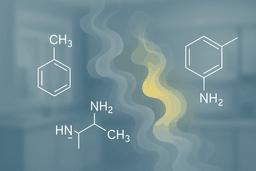
The molecular formula for methamphetamine is C10H15N, which indicates it has 10 carbon atoms, 15 hydrogen atoms, and 1 nitrogen atom. The structure of this molecule has a benzene ring (a hexagonal ring of carbon atoms) and a methyl group. This makes it a strong stimulant that affects the brain and nervous system.
Methamphetamine is a white, odourless crystalline powder when it is pure. But street meth is not often pure. The chemicals required to make it, such as anhydrous ammonia, acetone, hydrochloric acid, and lithium, leave behind impurities that make meth smell bad and unique.
Dangers of Methamphetamine Exposure
Exposure to meth, or even its fumes, is not to be taken lightly. The chemicals that go into manufacturing and consuming meth may harm your health in both the short and long term.
The chemicals used to make and consume meth may cause major health concerns, both in the short and long term.
Short-term Effects:
- Headache and dizziness.
- Nausea and vomiting.
- Breathing troubles
- Eye, nose, and throat irritation.
- Skin rashes or burns (due to contact with contaminated surfaces).
Long-term Risks:
- Respiratory harm (due to breathing poisonous fumes)
- Neurological problems (including memory loss and cognitive impairment)
- Cancer risk (particularly for youngsters and those living near old meth laboratories)
- Prolonged exposure may cause organ damage, including the liver, kidneys, and heart.
Getting Help for Meth Addiction at The House of Life
We understand how difficult it is to quit using meth, from the terrible withdrawal symptoms to the psychological hold it may have on you. That’s why all of our services are intended to assist with these issues. Face-to-face:
Medical detox, in this case, meth detox provides you with the safe, supervised environment you need to cope with the severe physical effects of drug withdrawal.
Our primary addiction treatment approaches are meant to break the cycle of meth reliance by addressing the compulsive thoughts and behaviours that accompany it.
Residential treatment provides a supervised, trigger-free environment for persons recovering from a potent stimulant such as meth.
Dual Diagnosis: Methamphetamine use often coexists with or exacerbates pre-existing mental health issues, necessitating comprehensive therapy.
Medication-Assisted Treatment (MAT) may be part of a comprehensive strategy to help persons with stimulant use disorder recover and remain well for a long period.
It might be frightening to smell meth being made or witness evidence of its use.
Our doors are open, and our professionals are happy to assist you in moving from anxiety to action, as well as from addiction to recovery.
Conclusion
In summary, identifying the distinct odor of methamphetamine, whether a pungent chemical smell, a sickly-sweet cat urine scent, or a sharp ammonia-like fumes, is more than a matter of curiosity. Answering the question, “What does meth smell like?” is a crucial step in recognizing potential danger. This odor serves as a tangible, warning sign of illegal drug activity, posing serious risks to health, safety, and property.
Ready for a change? Get in touch and let’s begin.
Meth Smell: FAQ
What Does Cooking Meth Smell Like?
What Does Meth Smell Like When Smoked?
What Drug Smells Like Nail Polish?
What Does Meth Look Like?
What Does Crystal Meth Smell Like?
Sources:
NIDA. 2019, November 1. Mind Matters: The Body’s Response to Methamphetamine. Retrieved from https://nida.nih.gov/research-topics/parents-educators/mind-matter-series/methamphetamine on 2025, December 7
NIDA. 2024, November 20. Methamphetamine. Retrieved from https://nida.nih.gov/research-topics/methamphetamine on 2025, December 3


