


Table of Contents
- What Is Wellbutrin and How Does It Work?
- Alcohol Withdrawal and Wellbutrin
- Why Alcohol and Wellbutrin Don’t Mix
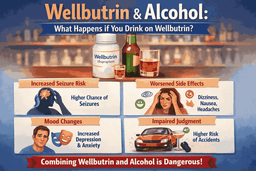
- Immediate Wellbutrin Side Effects With Alcohol
- Long-term Consequences of Regular Wellbutrin and Alcohol Combination
- Why Might Someone Drink Alcohol While Taking Wellbutrin?
- How Long After Taking Bupropion Can You Drink Alcohol?
- How Long Does Wellbutrin Stay in Your System?
- What to Do if You’ve Already Had a Drink?
- Getting Help at The House of Life
If you have been prescribed Wellbutrin (bupropion) to manage depression, seasonal affective disorder, or to help you quit smoking, you likely have questions about how this medication fits into your lifestyle. One of the most common questions patients ask their doctors is: “Can I still have a drink?”
The relationship between wellbutrin and alcohol is complex and, in some cases, dangerous. While many medications come with generic warnings about alcohol consumption, the interaction between bupropion and ethanol is uniquely risky due to how both substances affect the central nervous system. Combining the two can lead to unpredictable side effects, a reduced tolerance for alcohol, and, in severe cases, life-threatening medical emergencies.
Understanding the wellbutrin alcohol interaction is essential for anyone taking this medication. This article will explore the science behind why these two substances don’t mix, the risks of seizures, and what you should do if you find yourself struggling with alcohol use while on this prescription.

What Is Wellbutrin and How Does It Work?
Wellbutrin is the brand name for the generic drug bupropion. Unlike many other antidepressants, such as SSRIs (Selective Serotonin Reuptake Inhibitors) like Prozac or Zoloft, bupropion belongs to a class of drugs known as NDRIs—Norepinephrine-Dopamine Reuptake Inhibitors.
It works by increasing the levels of dopamine and norepinephrine in the brain. These chemicals are responsible for mood regulation, focus, and the “reward” pathway. Because it does not target serotonin, it often has fewer side effects related to weight gain or sexual dysfunction, making it a popular choice for long-term treatment.
However, because bupropion stimulates the brain in a specific way, it also alters the “seizure threshold.” Every person has a seizure threshold, the level of stimulation at which the brain’s electrical activity becomes disorganized, leading to a seizure. Wellbutrin naturally lowers this threshold, and when you introduce alcohol into the mix, that threshold can drop to dangerous levels.
Alcohol Withdrawal and Wellbutrin
One of the most critical warnings regarding wellbutrin and alcohol involves the risk of withdrawal. Interestingly, the danger isn’t just about drinking on wellbutrin; it is also about stopping drinking.
The FDA has issued a “black box” warning for bupropion regarding patients who are undergoing abrupt discontinuation of alcohol. Alcohol is a central nervous system depressant. If a person drinks heavily or regularly, their brain adjusts to the constant presence of alcohol. If that person suddenly stops drinking while taking Wellbutrin, the brain undergoes a “rebound” effect of over-excitation.
Because bupropion already increases brain activity and lowers the seizure threshold, the combination of alcohol withdrawal and the medication creates a “perfect storm” for grand mal seizures. If you have a history of heavy alcohol use or a diagnosed alcohol use disorder, you must be entirely honest with your doctor before starting bupropion. Sudden cessation of alcohol while on this drug can be fatal.
For those with heavy or long-term alcohol use, stopping drinking should never be done abruptly or without medical supervision, especially when taking Wellbutrin. In these cases, a medically supervised alcohol detox may be necessary to safely manage withdrawal symptoms, reduce seizure risk, and stabilize the nervous system before or during treatment with bupropion.
Why Alcohol and Wellbutrin Don’t Mix
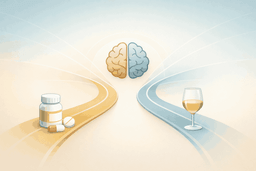
There are several physiological reasons why medical professionals advise against mixing these substances. The wellbutrin alcohol interaction primarily centers on how the liver processes chemicals and how the brain manages electrical signals.
Increased Toxicity and Liver Strain
Both bupropion and alcohol are metabolized by the liver. When you consume both simultaneously, the liver is forced to prioritize processing the alcohol (which it views as a toxin) over the medication. This can lead to higher-than-intended levels of bupropion remaining in your bloodstream, effectively causing an accidental “overdose” of the medication’s effects even if you took your prescribed dose.
Impact on the Central Nervous System
Alcohol is a depressant, while Wellbutrin acts as a mild stimulant. When you take them together, they pull the central nervous system in opposite directions. This doesn’t “cancel out” the effects; instead, it leads to extreme confusion, lack of coordination, and impaired judgment. You may find that can you drink alcohol on wellbutrin is a question of “can,” but “should” is a definitive no because the brain cannot maintain stability under these competing influences.
Reduced Alcohol Tolerance
Many people report that drinking on wellbutrin makes them feel intoxicated much faster than usual. A single glass of wine may feel like three. This unpredictability increases the risk of alcohol poisoning or dangerous behavior because the user’s “normal” limits no longer apply.
Immediate Wellbutrin Side Effects With Alcohol
When you combine these two substances, the wellbutrin side effects with alcohol often manifest quickly. Even a small amount of alcohol can trigger adverse reactions that range from uncomfortable to debilitating.
Altered Mental State and “Blackouts”
One of the most frequently reported issues with wellbutrin and wine or other alcoholic beverages is the increased frequency of “blackouts.” Users have reported losing periods of time or having no memory of their actions after consuming even moderate amounts of alcohol. This happens because the interaction interferes with how the hippocampus (the brain’s memory center) encodes information.
Physical Instability
The combination can lead to:
- Severe dizziness or vertigo
- Nausea and vomiting
- Extreme headaches or migraines
- Heart palpitations and increased blood pressure
- Blurred vision
What happens if you drink on wellbutrin is often a rapid escalation of these symptoms. Because the medication changes your metabolism, the onset of these side effects can be sudden, leaving the individual unable to drive or seek help safely.
Long-term Consequences of Regular Wellbutrin and Alcohol Combination
While the immediate risks like seizures are terrifying, the long-term consequences of mixing these substances are equally concerning for your overall health and recovery from depression.
Worsening of Depression and Anxiety
The primary reason most people take Wellbutrin is to manage a mental health condition. Alcohol is a known depressant. By drinking regularly, you are essentially counteracting the therapeutic benefits of your medication. Over time, this can lead to “treatment-resistant” depression, where the medication seems to stop working, leading many to mistakenly believe they need a higher dose, which only further increases the seizure risk.
Neurological Damage and “Wellbutrin Alcohol Death”
While rare, the phrase wellbutrin alcohol death is a reality in medical literature. Most fatalities associated with this combination occur due to status epilepticus (a seizure that lasts too long or occurs in rapid succession) or due to respiratory failure and extreme toxicity. Chronic use of both can lead to permanent changes in brain chemistry, making it harder for the individual to find stability even if they eventually stop drinking.
Why Might Someone Drink Alcohol While Taking Wellbutrin?
It is important to approach this topic with empathy. Many people who are prescribed antidepressants are struggling with deep emotional pain. In social settings, there is often pressure to have a drink to “fit in” or feel normal.
Others may use alcohol as a form of self-medication for the very anxiety or insomnia that Wellbutrin can sometimes cause as a side effect. If you find that you are compelled to drink despite knowing the risks, it may be a sign of a deeper dependency that needs to be addressed alongside your primary diagnosis.
How Long After Taking Bupropion Can You Drink Alcohol?
A common question is: how long after taking bupropion can you drink alcohol? Some people believe that if they take their pill in the morning, they can safely drink in the evening. This is a dangerous misconception.
Wellbutrin is designed to stay in your system for an extended period to provide a steady therapeutic effect. Even the immediate-release version stays active for many hours, and the XL (extended-release) versions are designed to release the drug over 24 hours. There is no “safe” window during the day where the drug is completely absent from your system.
If you are looking to stop the medication specifically so you can drink, you must consult your doctor. Stopping “cold turkey” can lead to a return of suicidal thoughts or the aforementioned seizure risks.
How Long Does Wellbutrin Stay in Your System?
To understand the risks, you have to look at the drug’s half-life. How long does wellbutrin stay in your system? On average, the elimination half-life of bupropion is about 21 hours. However, its metabolites (the substances the body breaks it down into) can stay in your system much longer—sometimes up to several days.
Because it takes about five half-lives for a drug to be completely cleared from the body, bupropion can remain in your system for 4 to 5 days after your last dose. Therefore, even if you skip a day, the wellbutrin alcohol interaction is still a significant threat.
What to Do if You’ve Already Had a Drink?
If you are currently taking medication and have already consumed alcohol, do not panic, but do be vigilant.
- Stop Drinking Immediately: Do not finish the drink.
- Hydrate: Drink water to help your body process the alcohol.
- Stay with Someone: Ensure you are not alone in case a seizure or severe dizziness occurs.
- Monitor for Symptoms: If you experience tremors, extreme confusion, or a racing heart, seek emergency medical attention immediately.
- Be Honest with Your Doctor: Tell your healthcare provider that you had a drink. They are there to help you, not judge you, and they need this information to monitor your seizure risk.
A common mistake people make is skipping a day of wellbutrin to drink. This is highly discouraged by medical professionals. Skipping a dose can cause your blood levels of the medication to fluctuate wildly, which actually increases the instability in your brain’s electrical activity. This makes a seizure more likely, not less.
Getting Help at The House of Life
Our facility offers specialized programs that align with the highest standards of clinical care:
Medical Detox
For those who have been consuming alcohol heavily while on Wellbutrin, stopping abruptly can be life-threatening due to the risk of seizures. Our Medical Detox program provides 24/7 clinical supervision. We use evidence-based protocols to slowly taper the body off alcohol, ensuring that the brain’s electrical activity remains stable and that the patient is kept comfortable and safe during the most critical hours of withdrawal.
Addiction Treatment
Our core Addiction Treatment philosophy centers on the “whole person.” We don’t just look at the substances being used; we look at the lifestyle, the trauma, and the triggers that lead to use. By understanding the wellbutrin side effects with alcohol, our clinicians can help patients navigate the physical discomfort of recovery while building a foundation for long-term sobriety.
Residential Treatment
Recovery often requires a change of environment. Our Residential Treatment program offers a sanctuary where patients can focus entirely on their healing without the pressures of the outside world. Here, you have access to structured therapy, nutritional support, and a community of peers who understand the struggle of balancing mental health with the journey of sobriety.
Dual Diagnosis Treatment
Since Wellbutrin is primarily a psychiatric medication, many of our clients come to us with a “Dual Diagnosis”—meaning they have both a mental health disorder (like MDD or ADHD) and a substance use disorder. Dual Diagnosis Treatment is essential because treating the addiction without treating the underlying depression is a recipe for relapse. We ensure that your medications are managed by expert psychiatrists who understand the dangers of drinking on wellbutrin and can help find a safer path forward.
Final Thoughts on Wellbutrin and Alcohol
Wellbutrin and alcohol are a high-risk combination. While some individuals may have a drink and feel no immediate ill effects, the lowered seizure threshold is a “hidden” danger that can strike without warning.
The goal of taking bupropion is to improve your quality of life and regain control over your mental health. Alcohol serves as a roadblock to that goal, complicating your recovery and putting your physical safety at risk. If you are prescribed this medication, the safest choice is total abstinence from alcohol. If that feels impossible, reach out for professional support today.
Reference
Ballesta, A. (2019). Bupropion, a possible antidepressant without negative effects on alcohol relapse. Science Direct. https://www.researchgate.net/publication/351163114_httpswwwsciencedirectcomsciencearticleabspiiS1051200421000968
Huecker, M. R. (2024, September 2). Bupropion. StatPearls [Internet]. https://www.ncbi.nlm.nih.gov/books/NBK470212/


