


If you are living with the sharp, stabbing, or burning sensations of nerve pain, or the widespread exhaustion of fibromyalgia, your doctor may have handed you a prescription for Lyrica. In the midst of a global focus on the risks of prescription painkillers, it is natural to feel a sense of hesitation. You might be asking yourself: Is Lyrica an opioid?
The short answer is no, Lyrica is not an opioid, nor is it classified as a narcotic. While it is used to treat chronic pain, a job often associated with opioids, it belongs to a class of drugs called gabapentinoids. Unlike opioids, which bind to the body’s opioid receptors to numb pain, Lyrica works by calming overactive nerves.
In this comprehensive guide, we will explore why Lyrica is a controlled substance, its side effects, and why it is often mistaken for a narcotic.

What Is Pregabalin?
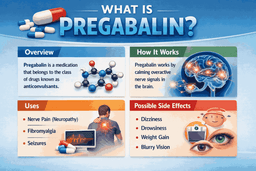
Pregabalin is the generic name for the active chemical ingredient in Lyrica. It was developed by researchers as a more potent and more “bioavailable” successor to the drug gabapentin (brand name Neurontin). “Bioavailable” simply means the body can absorb and use the drug more efficiently.
When comparing pregabalin vs Lyrica, there is no chemical difference in the medication itself. Pregabalin is the active drug, and Lyrica is the brand name. Since 2019, the FDA has approved several generic versions of pregabalin. These generics are identical in chemical makeup and effectiveness but are generally much more affordable.
Chemically, pregabalin is a structural derivative of the inhibitory neurotransmitter gamma-aminobutyric acid (GABA). However, it does not actually bind to GABA receptors. Instead, it modifies the way nerves communicate with one another, which is why it is so effective for nerve-related conditions rather than traditional tissue injury.
What Is Lyrica?
Lyrica (pregabalin) was first approved by the FDA in 2004. It was originally researched as an anti-epileptic (anti-seizure) medication, but clinical trials quickly revealed it was exceptionally effective at treating “neuropathic” pain—pain caused by damaged or malfunctioning nerves.
While Lyrica is not an opioid, the federal government still regulates it strictly. Is Lyrica controlled? Yes. Lyrica is a Schedule V controlled substance. This means that while it has a lower potential for abuse than Schedule II drugs (like OxyContin) or Schedule IV drugs (like Xanax), the Drug Enforcement Administration (DEA) has determined it still poses a risk for physical and psychological dependence. This classification is why you cannot get refills indefinitely without a new prescription and why your pharmacist monitors your fill dates.
Approved Medical Uses and Off-Label Prescribing
Many patients ask, “What is Lyrica used for?” because they see it prescribed for everything from shingles to seizures. The FDA has officially approved Lyrica for five primary conditions:
- Diabetic Peripheral Neuropathy: This is nerve damage in the hands and feet caused by chronically high blood sugar. Patients often describe this as “pins and needles” or a burning sensation.
- Postherpetic Neuralgia: This is the chronic, often debilitating nerve pain that lingers after a shingles (herpes zoster) outbreak has cleared.
- Fibromyalgia: Lyrica was the first medication ever approved specifically to treat the widespread musculoskeletal pain, sleep issues, and fatigue associated with fibromyalgia.
- Spinal Cord Injury Nerve Pain: It is used to manage the intense chronic pain that often follows physical trauma to the spinal cord.
- Partial Onset Seizures: In both adults and children, Lyrica is used as an “adjunct” (add-on) therapy to help stabilize electrical activity in the brain.
Off-Label Uses
Doctors often prescribe Lyrica “off-label” for conditions where clinical evidence suggests it works, even if the FDA hasn’t officially listed it. This includes Generalized Anxiety Disorder (GAD), where Lyrica acts as a fast-acting sedative to calm the nervous system. It is also used for social anxiety, restless leg syndrome (RLS), and as a preventive measure for chronic migraines.
The Signs and Symptoms of Lyrica Misuse
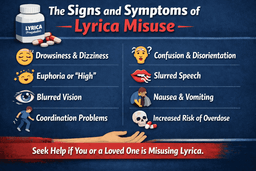
Because Lyrica can produce feelings of relaxation, calmness, and—in high doses—mild euphoria, Lyrica abuse has become a growing concern. While it does not provide the same “rush” as an opioid, some people take large doses to feel a “dissociative” or “floaty” high.
The common side effects of Lyrica include:
- Dizziness and Somnolence: This is the most common reason patients stop taking the drug. It can make you feel “drunk” or excessively sleepy.
- Peripheral Edema: Swelling in the hands, legs, and feet.
- Weight Gain: Many patients report an increased appetite and weight gain of 5–10 pounds within the first few months.
- Cognitive Impairment: Often called “brain fog,” this includes difficulty concentrating or short-term memory lapses.
Sexual Side Effects
It is important to address Lyrica side effects sexually, as these are often under-reported. Pregabalin can impact the central nervous system’s ability to process sexual arousal. Reported issues include decreased libido (sex drive), erectile dysfunction in men, and anorgasmia (difficulty reaching orgasm) in both men and women. If these symptoms persist, doctors often recommend a dosage adjustment.
Can you overdose on Lyrica? Yes. While much safer than opioids, a Lyrica overdose is a medical emergency. Symptoms include extreme lethargy, confusion, agitation, and heart rhythm changes. The risk of death increases significantly if Lyrica is mixed with alcohol or other central nervous system depressants. This risk is particularly crucial to consider during opioid detox, as Lyrica is sometimes used off-label for withdrawal symptoms, increasing the potential for dangerous combinations or misuse.
Alternatives to Lyrica for Pain Medication
If you’re worried about Lyrica being a controlled substance, you can talk to a professional about some other options:
- Gabapentin (Neurontin) is like Lyrica but is typically thought to be less “potent.” Some states in the U.S., like Kentucky and Ohio, have made it a controlled substance because more people are abusing it.
- SNRIs: Drugs like Duloxetine (Cymbalta) or Venlafaxine (Effexor) work very well for nerve pain and don’t have the same risk of physical dependence.
- Tricyclic Antidepressants (TCAs): Amitriptyline and other older medicines are routinely used in small amounts to “mute” nerve pain signals.
- Non-Drug Therapies: Many patients find relief through Physical Therapy, acupuncture, or TENS (Transcutaneous Electrical Nerve Stimulation) units, which use mild electrical pulses to interfere with pain signals.

Recovering From a Lyrica Addiction
Because Lyrica alters the way neurotransmitters are released in the brain, the body quickly adapts to its presence. This is called “physical dependence.” If you stop taking Lyrica “cold turkey,” you may experience severe withdrawal symptoms, including insomnia, nausea, sweating, and anxiety. In rare, severe cases, sudden withdrawal can trigger seizures, even in people who don’t have epilepsy.
Recovering from a Lyrica dependency requires a medically supervised “taper.” A doctor will typically reduce your dose by no more than 10% to 25% every week or two. This slow reduction allows your brain chemistry to return to its natural baseline safely, minimizing discomfort and preventing dangerous side effects.
Take the first step toward a healthier life today. Contact us at +1 (805) 888 8000 to speak with a specialist about our recovery programs and pain management support.
FAQ: Is Lyrica an Opioid?
Is Pregabalin a Controlled Substance?
Is Lyrica Addictive?
Is Lyrica a Scheduled Drug?
How Long Should You Take Lyrica for Nerve Pain?
How Long Does Lyrica Stay in Your System?
Reference
Australian Government Department of Health and Aged Care Therapeutic Goods Administration. (2022, December 15). Avoid prescribing pregabalin in pregnancy if possible. https://www.tga.gov.au/news/safety-updates/avoid-prescribing-pregabalin-pregnancy-if-possible
Medsafe. (n.d.). LYRICA Consumer Medicine Information [PDF]. New Zealand Medicines and Medical Devices Safety Authority. https://www.medsafe.govt.nz/consumers/cmi/l/lyrica.pdf
Schifano, F. Misuse and Abuse of Pregabalin and Gabapentin: Cause for Concern?. CNS Drugs 28, 491–496 (2014). https://doi.org/10.1007/s40263-014-0164-4


