


One of the most common debates surrounding substance use disorder (SUD) is whether addiction is a disease or a choice. At House of Life, we hear this question often—from clients, families, and even the wider community. The truth is that addiction is both more complex and more hopeful than this simple “either/or.”
The Science of Addiction: What Research Shows
According to the National Institute on Drug Abuse (NIDA), addiction is recognized as a chronic brain disease that alters the brain’s structure and function, especially in areas related to reward, stress, and self-control. These changes can last long after substance use stops, which is why relapse is common.
The American Society of Addiction Medicine (ASAM) also defines addiction as a chronic disease of brain reward, motivation, memory, and related circuitry. Like other chronic illnesses—such as diabetes, hypertension, or asthma—addiction can be managed successfully but not “cured” in a simple, one-time way.
But science also shows that recovery is absolutely possible. Neuroplasticity, the brain’s ability to change and heal, allows individuals to rebuild healthier patterns over time through treatment, community support, and lifestyle changes.
Disease Model of Addiction
At House of Life, we use the disease model of addiction to explain the condition, breaking it down into three interconnected parts:
● Biological – Genetics, brain chemistry, and physical stress responses play a role. For example, someone with elevated cortisol from long-term stress may be more vulnerable to using substances as a way to cope.
● Psychological – Low self-worth, trauma, and mental health conditions can fuel addiction.
● Sociological – Family dynamics, social pressures, and cultural factors also contribute.
When these “missing parts” from each area combine, addiction can emerge as a way to cope. In this way, addiction isn’t just about brain chemistry or bad decisions—it’s about the interplay of biology, psychology, and environment.

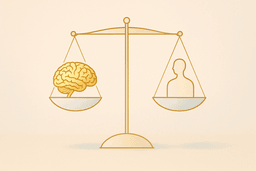
The Role of Choice – Is Addiction a Choice?
If addiction is a disease, does that mean people don’t have choices? Not exactly.
Much like diabetes, addiction requires daily choices to manage symptoms and support recovery. Early on, the brain’s changes make it harder for a person to stop using on their own. But with treatment, support, and accountability, people can learn to make new choices that lead to healing.
At House of Life, we emphasize both the disease model of addiction and the power of personal responsibility. This dual approach helps clients feel validated (addiction is not just “their fault”) while also feeling empowered (they can make changes to reclaim their lives).
Compassion and Accountability
Compassion and accountability go hand in hand in treatment. Shame often fuels addiction, and many clients resist the idea of addiction as a disease because they feel it excuses their actions. One client, a 59-year-old man struggling with alcoholism, once told me:
“I’m not a sick person. I know what I’m doing. I’m suffering the consequences of my actions.”
What he was really expressing was deep shame for the losses in his life. I explained that the solution isn’t more self-hatred, but learning to let go of shame so he could make life-changing choices. By combining empathy with accountability, we help clients value themselves—and when they value themselves, they naturally begin making healthier choices.
The Role of Spirituality
We also believe spirituality plays a vital role in recovery. Without a sense of higher power or higher purpose, self-forgiveness and self-love are much harder to achieve. Recovery requires rebuilding not just the brain, but the spirit. For many, spirituality brings color and meaning to life in sobriety—helping clients see beyond shame and step into healing.
So…Is Addiction a Disease or Choice?
The answer is: both. Addiction is a disease that affects the brain, but recovery is built on choices—small daily decisions to heal, grow, and move forward.
At House of Life, we guide our clients through this balance, offering compassion, science-based treatment, and the empowering belief that they can reclaim their lives.
Find Help for Addiction in Simi Valley, California
The House of Life offers comprehensive drug and alcohol treatment tailored to each individual. Our services include withdrawal management and medical detox programs, ongoing treatments like medication and therapy, and intensive outpatient programs.
Sources:
NIDA: Drugs, Brains, & Behavior: The Science of Addiction (preface / overview) — https://nida.nih.gov/research-topics/addiction-science/drugs-brain-behavior-science-of-addiction
NIDA: Understanding Drug Use and Addiction (DrugFacts) — https://nida.nih.gov/publications/drugfacts/understanding-drug-use-addiction
ASAM: “Definition of Addiction” — https://www.asam.org/quality-care/definition-of-addiction
Harvard Health / Harvard blog: “What is Addiction?” — https://www.health.harvard.edu/blog/what-is-addiction-2-2017061914490


