


The landscape of stimulant abuse is complex, often characterized by a profound misunderstanding of the substances involved. Crack cocaine and methamphetamine are two of the most powerful and harmful illegal substances. They are both strong central nervous system (CNS) stimulants, but they are different chemicals that come from various places, last for different amounts of time, and have different effects on the body.
Understanding the nuances of crack vs meth is essential for clinicians, families, and individuals seeking a path toward recovery.

What is Crack Cocaine?
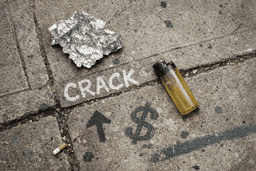
Crack cocaine is a freebase form of the drug, processed from cocaine hydrochloride into a smokeable crystal. Its name derives from the popping sound produced during vaporization. By mixing powder cocaine with water and a base like sodium bicarbonate, the salt is removed, lowering the melting point to allow for smoking.
Unlike snorted cocaine, crack is inhaled, reaching the brain almost instantly via the lungs. This pulmonary route produces an intense high lasting only five to ten minutes, frequently triggering a “binge and crash” cycle that leads to rapid dependence. While cocaine is naturally derived from the Erythroxylum coca plant, this concentrated freebase form is a modern chemical innovation designed to maximize the speed and intensity of the drug’s impact on the brain’s reward centers
What is Methamphetamine?
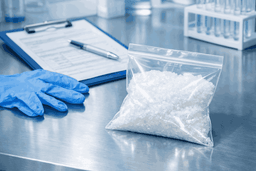
Methamphetamine, or “meth,” is a potent synthetic stimulant synthesized in clandestine laboratories using over-the-counter medications like pseudoephedrine combined with toxic chemicals such as anhydrous ammonia and red phosphorus. Chemically similar to amphetamine, meth’s methyl group increases its lipid solubility, allowing it to cross the blood-brain barrier rapidly and remain active in the body significantly longer than most other stimulants.
Whether smoked, snorted, injected, or swallowed, its synthetic nature means purity varies wildly. Residual toxic precursors often exacerbate damage to the user’s internal organs, skin, and neurological health. This chemical volatility is a primary reason methamphetamine is so uniquely devastating to the human body over long periods of use.
What’s the Difference Between Crack and Meth?
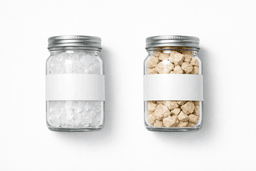
The difference between crack and meth is biologically and chemically significant, while to the untrained eye, these substances may appear the same. Although both increase the levels of dopamine in the brain’s reward circuit, the mechanisms through which they achieve this, and the duration of those effects, vary wildly. This chemical distinction dictates the user’s behavior, the severity of the withdrawal, and the long-term prognosis for recovery.
Differences in Effects on the Brain and Body
In the discussion of crack vs meth, the primary biological distinction lies in how they interact with dopamine, the neurotransmitter associated with pleasure and motivation. Crack cocaine works primarily by blocking the reuptake of dopamine. Under normal conditions, dopamine is released by a neuron and then recycled back into the transmitting neuron. Crack blocks the transporters responsible for this recycling, causing dopamine to build up in the synapse and create a high.
Methamphetamine, however, not only blocks the reuptake of dopamine but also enters the neuron and triggers an enormous release of new dopamine from storage vesicles. Furthermore, it inhibits the enzymes that break down dopamine. This “triple threat” results in dopamine levels that are far higher than those produced by crack. This explains why the difference between crack and meth is so apparent in the level of behavioral agitation and the speed of neurological depletion.
Differences in Duration and Intensity of High
The length of the high is probably the most obvious difference between the two drugs. A crack high is quite strong and develops right away. It usually lasts between 5 and 15 minutes. The short duration of the drug is what makes it so addictive. The user feels a “crash” nearly right away as the dopamine levels drop, which makes them feel like they have to use it again to escape the “come down.”
On the other hand, methamphetamine has a substantially longer half-life. A single dose of meth can give you a high that lasts 6 to 12 hours, or even longer if the meth is pure and you take it in a certain way.
Crack vs. Meth: Methods of Use
The method of administration is a key factor in how these drugs are perceived and their impact on the body. When comparing a meth pipe vs crack pipe, the physical properties of the drugs dictate the equipment. A crack pipe is typically a straight glass tube (often called a “stem”) containing a piece of copper wool or mesh. The rock is placed against the mesh and direct flame is applied; the user inhales the smoke produced by the combustion.
A meth pipe, however, usually features a glass bulb at the end. Because methamphetamine has a lower melting point and is vaporized rather than burned, it is placed inside the bulb and heated from below until it turns into a liquid and then a vapor. Beyond smoking, meth is frequently injected or snorted. Observing a meth pipe vs crack pipe can often be the first indicator for family members trying to determine which substance a loved one is using, as the paraphernalia is distinct.

Is Crack and Meth The Same?
A common misconception is that these stimulants are interchangeable. So, is crack and meth the same? Categorically, no; they possess distinct chemical structures and metabolic pathways. Users often ask, “is meth crack?” confusing the terminology, but crack is plant-based cocaine while meth is a synthetic phenethylamine. When considering is meth worse than cocaine, medical experts note that while cocaine is primarily cardiotoxic, methamphetamine is directly neurotoxic, often causing permanent damage to the brain’s dopamine and serotonin structures.
Addiction Potential
Both drugs carry an extremely high potential for addiction, but the patterns of use differ. Because crack’s high is so short, the addiction is characterized by an immediate, frantic need for more, often leading users to spend vast sums of money in a very short period. This leads to a rapid downward social and financial spiral.
Methamphetamine addiction often involves longer cycles of use. To clarify for those wondering “is meth crack,” the addiction cycles differ because of these chemical half-lives. A meth user may function for a few days at a high level of productivity before crashing into a deep, multi-day sleep. However, the psychological “hook” of meth is often considered stronger because of the massive dopamine dump it triggers, which effectively “rewires” the brain’s ability to feel pleasure from anything else.
Long-Term Health Risks
Crack cocaine use is notoriously hard on the cardiovascular system. It is a powerful vasoconstrictor, meaning it narrows blood vessels and forces the heart to work harder. This can cause immediate heart attacks, strokes, and “crack lung”—severe respiratory damage and internal bleeding in the lungs.
Methamphetamine use leads to a different set of horrors. “Meth mouth” is a common condition where the drug’s acidity, combined with dry mouth and tooth grinding, causes teeth to rot and fall out. Meth users also suffer from “crank bugs”—the tactile hallucination that insects are crawling under the skin—leading them to pick at their flesh until it is covered in open sores. When considering is meth worse than cocaine, the long-term cognitive decline, memory loss, and structural brain changes associated with meth are often more difficult to reverse than the physical damage caused by crack.
Impact on Mental Health
Both substances can cause psychosis triggered by stimulants, which includes paranoia, delusions, and hallucinations. But meth-induced psychosis is usually more long-lasting and can seem like schizophrenia. Chronic meth users may have paranoia and violent outbursts for weeks or even months after their last dose because the substance stays in their system for so long and produces such severe neurochemical abnormalities.
People who use crack often feel paranoid while they’re high and right after they stop using it, but these mental health problems usually go away faster than those caused by meth once the substance is out of their system.

Signs of Addiction to Crack vs Meth
The first step in helping someone is to recognise the indicators of usage. When comparing crack with meth, many physical signs are the same, like pupils that are bigger, a faster heart rate, and a loss of appetite. But there are several signs that can help tell the two apart:
- Crack Signs: Extreme, short-lived bursts of energy followed by sudden, deep depression; frequent disappearances for 10-15 minutes to smoke; burnt fingertips or lips from hot glass pipes; and a rapid loss of financial stability.
- Meth Signs: Staying awake for several days at a time; rapid, skeletal weight loss; obsessive “pumping” or repetitive tasks (like taking apart electronics); severe tooth decay; and a greyish, sallow complexion with skin sores.
Knowing the difference between crack and meth can help medical professionals prepare for the specific withdrawal symptoms, such as the severe cardiovascular monitoring needed for crack or the prolonged psychiatric support needed for meth.
How The House of Life Treats Crack and Meth Addiction
At The House of Life, we understand that the rehabilitation process for crack and meth is different and needs to follow specific, evidence-based steps.
Medical detox and stabilisation
The first step in treatment is a medically supervised meth and crack detox. When someone is trying to quit crack, they generally focus on dealing with severe depression and keeping an eye on their heart health to avoid arrhythmias. For people recovering from methamphetamine, the detox period is frequently lengthier because the focus is on stabilising the person’s mental state and dealing with the extreme fatigue.
Dual Diagnosis and Cognitive Behavioural Therapy (CBT)
Our healthcare team uses dual diagnosis to help patients change the way their incentive systems work. We offer extensive neurological support to meth and crack addicts who may have suffered more severe cognitive damage. This helps them regain attention and control over their emotions through targeted therapy.
Long-term and holistic help
The House of Life is a secure place to heal, providing both medical and alternative therapies such as group therapy, mindfulness, and food guidance. We employ specific training to assist people prevent relapses and successfully reintegrate into society. We provide clients with the resources they need to rebuild their lives after being addicted to crack or meth, whether they are in the “binge” cycle or in the long-term neurochemical depletion stage.
Reach out to our expert clinical team today, your path to a transformed life starts with a single, courageous call.
Sources:
Cornish JW, O’Brien CP. Crack cocaine abuse: an epidemic with many public health consequences. Annu Rev Public Health. 1996;17:259-73. doi: 10.1146/annurev.pu.17.050196.001355. PMID: 8724227.
McBride DC, Inciardi JA, Chitwood DD, McCoy CB. Crack use and correlates of use in a national population of street heroin users. The National AIDS Research Consortium. J Psychoactive Drugs. 1992 Oct-Dec;24(4):411-6. doi: 10.1080/02791072.1992.10471665. PMID: 1491290.
Li JH, Liu JL, Zhang KK, Chen LJ, Xu JT, Xie XL. The Adverse Effects of Prenatal METH Exposure on the Offspring: A Review. Front Pharmacol. 2021 Jul 14;12:715176. doi: 10.3389/fphar.2021.715176. PMID: 34335277; PMCID: PMC8317262.
NIDA. 2024, November 20. Methamphetamine. Retrieved from https://nida.nih.gov/research-topics/methamphetamine on 2025, December 27


