


Table of Contents
- What is an Adderall Crash?
- What Causes the Adderall Comedown?
- How Long Does an Adderall Crash Last? (+Timeline)
- What Are Adderall Crash Symptoms?
- Side Effects of Adderall
- 10 Tips For How to Deal with Adderall Comedown
- Treatment for Adderall Abuse and Addiction
- Adderall Addiction Treatment at The House of Life
For many, stimulants like Adderall offer a necessary edge for managing ADHD (Attention Deficit Hyperactivity Disorder) or high-pressure career demands, but the initial productivity boost often carries a steep physiological price tag. As the medication begins to leave your system, the surge of energy and invincibility can quickly dissolve into profound exhaustion, irritability, and mental fog. This phenomenon, known as an adderall crash, is the body’s inevitable “low” following a pharmaceutical “high.”
Navigating this period effectively is critical for your long-term health. Beyond just feeling physically drained, an unmanaged adderall comedown can trigger intense adderall anxiety and severe mood fluctuations. Whether you take the medication as prescribed or are concerned about a growing tolerance, learning how to avoid adderall crash symptoms is a vital step toward maintaining your well-being and preventing a dangerous spiral into deeper stimulant dependence.

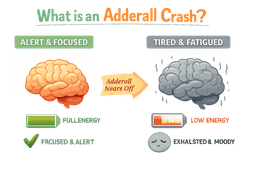
What is an Adderall Crash?
An adderall crash is a physiological and psychological “rebound effect” that occurs when the concentration of amphetamine salts in the bloodstream drops significantly. Adderall is a central nervous system stimulant composed of amphetamine and dextroamphetamine. It works by increasing the activity of neurotransmitters, specifically dopamine and norepinephrine, in the brain.
While the drug is active, it prevents the reabsorption of these chemicals, allowing them to flood the synaptic gaps. This creates the characteristic focus and euphoria associated with the drug. However, the human brain is designed for homeostasis. When the drug wears off, the brain is left in a state of temporary chemical bankruptcy.

What Causes the Adderall Comedown?
The primary cause of the adderall comedown is the depletion of neurotransmitter stores. Think of your brain’s dopamine as a savings account. Adderall allows you to make a massive withdrawal all at once. When the medication leaves your system, you are left with an empty account and “overdraft fees” in the form of withdrawal symptoms.
Beyond neurochemistry, several physiological factors exacerbate the crash:
- Metabolism: As the liver processes the amphetamines, the sudden dip in blood plasma levels triggers a systemic stress response.
- Sleep Deprivation: Stimulants mask fatigue. Often, by the time a crash hits, the individual has been awake longer and exerted more energy than they realized, leading to a “double hit” of exhaustion.
- Nutritional Deficit: Because Adderall is a potent appetite suppressant, many users go the entire day without eating or hydrating properly, leaving the body without the fuel it needs to repair itself during the comedown.

How Long Does an Adderall Crash Last? (+Timeline)
The duration and intensity of the crash is largely influenced by your metabolism, dosage, and the specific formulation used.
The Typical Crash Timeline:
- Hours 6–12 (Post-last dose): The “Edge.” This is when the focus begins to splinter. You may feel a sudden wave of fatigue, a looming sense of sadness, or increased adderall anxiety.
- Hours 12–24: The “Bottom.” This is the peak of the physical crash. Intense cravings for the drug, extreme lethargy, and a “heavy” feeling in the limbs are common.
- Days 2–5: The “Fog.” While the acute physical symptoms may subside, psychological symptoms like irritability and depression can linger as the brain slowly rebuilds its dopamine levels.
What Are Adderall Crash Symptoms?
The symptoms of an adderall crash are often the polar opposite of the drug’s intended effects. Where there was focus, there is now “brain fog”; where there was energy, there is now profound exhaustion.
Common symptoms include:
- Extreme Fatigue: A level of tiredness that sleep doesn’t immediately fix.
- Dysphoria: A general state of unease, dissatisfaction, or intense sadness.
- Increased Appetite: Often leading to “binge eating” as the body tries to compensate for the day’s calorie deficit.
- Sleep Disturbances: You may experience “hypersomnia” (sleeping for 12+ hours) or, conversely, a “wired but tired” state of insomnia.
- Psychological Distress: This includes paranoia, intense irritability, and suicidal ideation in severe cases of chronic misuse.
Side Effects of Adderall
The side effects range from physical discomfort to significant changes in mental health and lifestyle. One of the most common complaints is adderall anxiety. While the drug is meant to help with focus, it can overstimulate the “fight or flight” response. This leads many to ask, can adderall cause anxiety? The answer is a definitive yes. In many users, the physiological arousal (racing heart, sweaty palms) is interpreted by the brain as panic, which can escalate into a full-blown anxiety disorder over time.
Other notable side effects include:
- Physical Pain: Does adderall cause headaches? Yes, frequently. This is usually due to a combination of dehydration, increased blood pressure, and “bruxism” (clenching the jaw) while focused.
- Sexual Health: Adderall sexual side effects are a significant but often overlooked issue. The drug acts as a vasoconstrictor, which can lead to erectile dysfunction in men or difficulty achieving orgasm in both genders, despite a temporary increase in libido.
- Gastrointestinal Issues: Nausea, stomach pain, and constipation are common as the drug affects the smooth muscles of the digestive tract.

10 Tips For How to Deal with Adderall Comedown
If you are looking for how to avoid adderall crash or at least dampen its impact, you must take a proactive approach to your physical and mental health. Here are ten strategies to ease the transition:
- The “Slow Descent” (Tapering): Never stop high-dose Adderall abruptly. Work with a physician to slowly lower your dose, allowing your brain’s neurochemistry to adjust gradually.
- Hydration is Mandatory: Amphetamines are dehydrating. Drink water infused with electrolytes throughout the day to prevent the “crash headache.”
- Protein-Rich Nutrition: Eat small, protein-dense meals even if you aren’t hungry. Amino acids (like those found in turkey, eggs, and nuts) are the building blocks your brain needs to synthesize new dopamine.
- Vitamin C at Night: Vitamin C can acidify the urine, which helps the body flush the remaining amphetamine salts out of your system more quickly. Take it in the evening to help “turn off” the medication.
- Magnesium Supplementation: Magnesium glycinate can help relax the muscles, reduce jaw clenching, and lower the physical “jitteriness” of adderall anxiety.
- Mastering Sleep Hygiene: Create a dark, cool environment. Avoid screens an hour before bed. If the crash makes you feel “wired,” try a weighted blanket to calm the nervous system.
- Identify the Irritability: To learn how to avoid irritability on adderall, you must practice self-awareness. Recognize that the anger you feel during a crash is a chemical byproduct, not necessarily a reflection of reality.
- Low-Intensity Movement: While a heavy workout might be too much during a crash, a light walk can help stimulate natural endorphins and clear the mental fog.
- Avoid Caffeine: It is tempting to drink coffee to combat the crash, but this often leads to a “double crash” and increased heart palpitations.
- L-Tyrosine: This amino acid is a direct precursor to dopamine. Some users find that supplementing with L-Tyrosine (under medical supervision) can help replenish the brain’s stores more quickly during the recovery phase.

Treatment for Adderall Abuse and Addiction
For many, the fear of the adderall crash becomes the primary driver of adderall addiction. To avoid the “low,” users take more of the drug, leading to a dangerous cycle of escalating doses and dwindling returns. When the drug is no longer used for focus, but simply to feel “normal,” professional intervention is necessary.
Safe Medical Detox
The “crash” from chronic, high-dose stimulant use can be clinically dangerous. It can lead to severe cardiovascular stress and profound clinical depression. Medical detox provides a safe, supervised environment where clinicians can manage withdrawal symptoms, monitor heart health, and provide a “soft landing” through the use of non-addictive medications.
Residential Treatment
Recovery from stimulant addiction is about more than just getting the drug out of your system; it’s about relearning how to function without an artificial chemical boost. Residential treatment offers the structure needed to address the underlying causes of use—whether that is untreated ADHD, workplace burnout, or co-occurring mental health disorders.
Dual Diagnosis Treatment
Many individuals use stimulants to self-medicate for underlying anxiety or depression. Dual diagnosis treatment addresses both the substance use disorder and the underlying mental health condition simultaneously. This is the only way to ensure long-term sobriety, as it treats the root cause of the dependency.
Medication Assisted Treatment (MAT)
While MAT is traditionally associated with opioids, in stimulant recovery, it involves the targeted use of non-addictive medications to manage cravings, address co-occurring ADHD symptoms, and stabilize the brain’s reward system as it heals from the effects of long-term Adderall use.
Adderall Addiction Treatment at The House of Life
For many, the fear of the adderall crash becomes the primary driver of addiction. To avoid the “low,” users take more of the drug, leading to a dangerous cycle of escalating doses. When the drug is no longer used for focus, but simply to feel “normal,” professional intervention is necessary. At The House of Life, we offer comprehensive pathways to recovery:
Safe Medical Detox
Medical adderall detox ensures a safe transition during a crash, managing cardiovascular risks and stabilizing mood with professional support to provide a “soft landing.”
Residential Treatment
Beyond physical recovery, residential care provides the structure to address root causes like ADHD or burnout and helps you relearn how to function without a chemical boost.
Dual Diagnosis Treatment
We treat substance use and underlying conditions like adderall anxiety or depression concurrently. Addressing the root cause of self-medication is vital for sustainable, long-term sobriety.
Medication Assisted Treatment (MAT)
MAT utilizes non-addictive medications to balance brain chemistry, manage intense cravings, and support the nervous system as it heals from long-term stimulant use.
Adderall Crash FAQs
What Supplements Help With Adderall Crash?
Why Does Adderall Make Me Sleepy?
Does Adderall Numb Emotions?
What Causes a Stimulant Crash?
Sources:
Adderall- dextroamphetamine saccharate, amphetamine aspartate, dextroamphetamine sulfate, and amphetamine sulfate tablet”. DailyMed. Teva Pharmaceuticals USA. 8 November 2019.
Brinkman WB, Simon JO, Epstein JN. Reasons Why Children and Adolescents With Attention-Deficit/Hyperactivity Disorder Stop and Restart Taking Medicine. Acad Pediatr. 2018 Apr;18(3):273-280. doi: 10.1016/j.acap.2017.09.005. Epub 2017 Sep 12. PMID: 28919571; PMCID: PMC5847416.
Marks, T. (2023). The Adderall Effect: Strategies for Minimizing the Crash. YouTube. https://youtu.be/cg4qjavFWfk?si=TLPJGL6PvE14z3dT
Nguyen, V. (2022). Adderall: Side effects, dosage, with alcohol, and more. Medical News Today. https://www.medicalnewstoday.com/articles/drugs-adderall#_noHeaderPrefixedContent
The Science Behind Adderall | Britannica. (2025). https://www.britannica.com/video/How-Does-Adderall-Work/-279026


